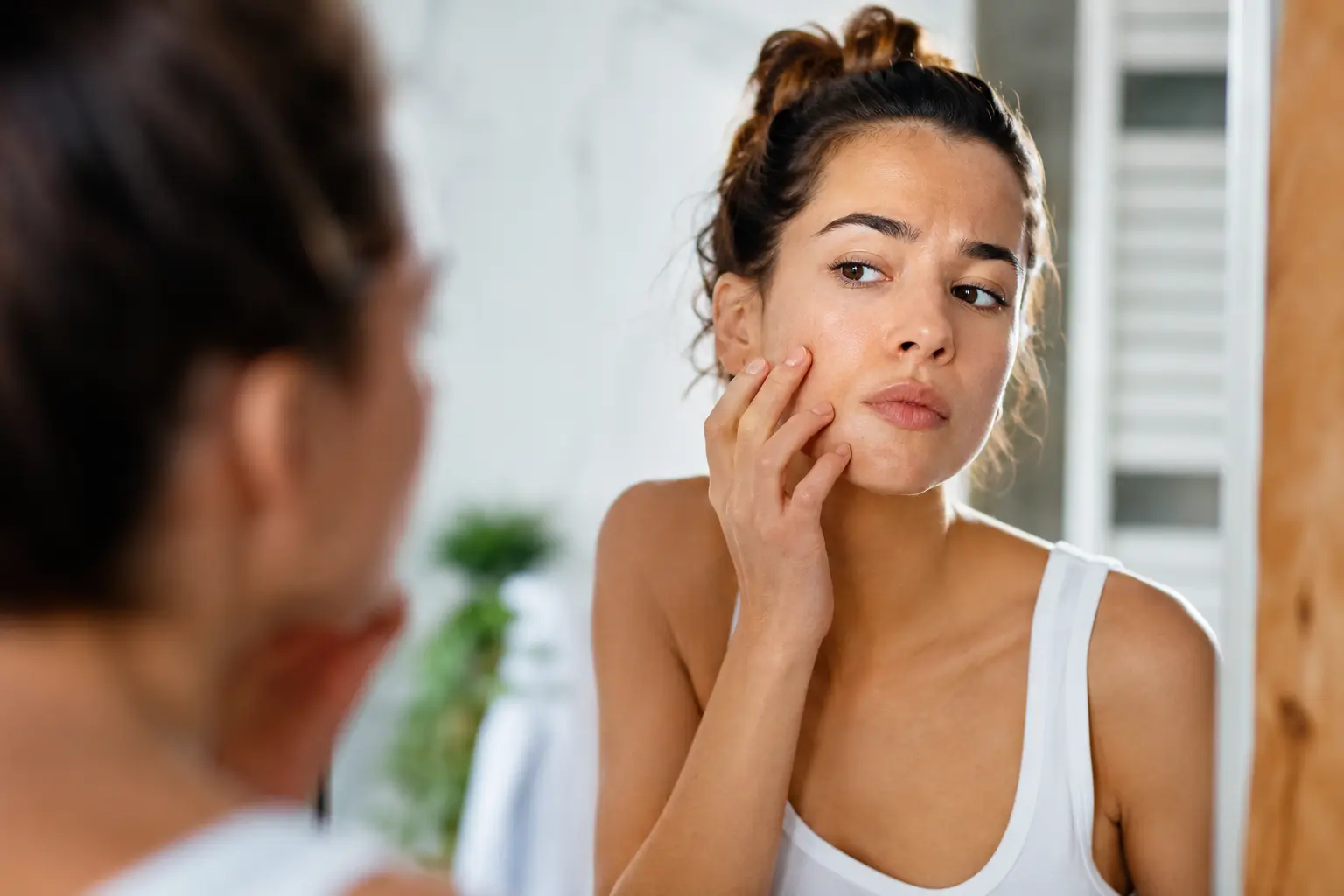
Your skin feels tight, looks dull, and no amount of moisturizer seems to fix it because you’ve been making the same skin hydration mistakes everyone else has, and it’s time to stop guessing and start actually understanding what your skin really needs.
Overlooking the importance of hydrating foods
Think back to last week. You probably grabbed a coffee, scrolled through your phone, and called it breakfast. Most young adults treat food as fuel rather than medicine, completely missing how much hydrating foods actually matter for skin. Sarah, 26, realized this the hard way when her dermatologist asked what she ate daily. Processed snacks and energy drinks dominated her diet. Within two weeks of swapping her afternoon chips for watermelon and cucumber slices, she noticed her skin felt less tight and looked less dull. The thing is, your skin cells need water from the inside out, and while drinking eight glasses a day helps, eating water-rich foods does the heavy lifting. Watermelon is 92 percent water. Cucumbers are 95 percent. Berries pack antioxidants alongside hydration. Meanwhile, caffeine and alcohol actively pull moisture from your skin, leaving it parched and more prone to fine lines. Start noticing what you actually eat.
- Incorporate water-rich foods like watermelon, cucumbers, and berries into your daily diet.
- Stay away from excessive caffeine and alcohol consumption, as these can dehydrate your skin.
- Snack on hydrating foods like celery sticks or bell peppers to keep your skin glowing.
Misusing harsh cleansers
You know that squeaky-clean feeling after washing your face? That’s not clean. That’s stripped. Your skin has a natural oil barrier called the acid mantle, and harsh cleansers demolish it in seconds. Marcus, 24, was using a medicated face wash meant for acne-prone skin twice daily because he thought more cleaning meant clearer skin. Instead, his face became red, irritated, and paradoxically oilier as his skin overcompensated for the lost moisture. The harsh sulfates and alcohol in those products work like sandpaper on your face. Your skin responds by either drying out completely or producing excess oil to compensate, both scenarios leaving you frustrated. Gentle cleansers with hyaluronic acid or glycerin do the opposite. They remove dirt and makeup without damaging your protective barrier. Your skin should feel soft and slightly hydrated after cleansing, not tight and uncomfortable. If your cleanser makes you want to immediately apply moisturizer because your face feels parched, it’s too harsh.
💬 Ready to feel better in 2 minutes?choose where to begin:
Skipping moisturizer in your skincare routine
Moisturizer feels optional when you are young and your skin looks okay on the surface. Then you hit 24, 25, and suddenly your skin looks tired even after eight hours of sleep. Skipping moisturizer is like skipping the final step of locking in everything your skin just absorbed. Even oily skin needs moisturizer, just a lighter one. Jessica, 23, thought her combination skin meant she should only moisturize dry patches. Her T-zone stayed oily while her cheeks became dehydrated and flaky. Once she applied a lightweight, oil-free moisturizer to her entire face right after cleansing, her skin balanced out within a week. Moisturizer creates an occlusive layer that prevents water from evaporating throughout the day. Without it, hydration seeps out constantly, leaving your skin vulnerable to environmental damage and looking dull. The right moisturizer for your skin type applied consistently transforms how your skin looks and feels.
Avoiding sunscreen protection
UV rays damage skin cells and break down the collagen and elastin that keep skin plump and hydrated. Young adults often skip sunscreen on cloudy days or when they are just running errands, thinking the sun is not strong enough to matter. That mindset catches up with you. David, 25, spent five years thinking sunscreen was unnecessary unless he was at the beach. By the time he started using it daily, his skin already showed sun damage, accelerated dehydration, and premature fine lines around his eyes. The sun does not just cause sunburns. It triggers oxidative stress that dehydrates skin from within, breaking down the proteins that hold moisture. Sunscreen is not vanity. It is the single most effective anti-aging product you can use, and it directly prevents the dehydration that makes skin look tired and aged. A daily broad-spectrum SPF 30 minimum, applied generously and reapplied every two hours outdoors, keeps your skin barrier intact and hydration locked in. Start now, not when you see damage.
Discover the common pitfalls young adults face in maintaining skin hydration, from overlooking hydrating foods to misusing skincare products. By incorporating simple fixes like hydrating foods and sunscreen protection, you can transform your skin’s hydration game and achieve a healthier, more radiant complexion.
How can I tell if my skin is dehydrated?
Signs of dehydrated skin include tightness, dullness, flakiness, and a lack of elasticity. Look out for these symptoms to determine if your skin needs an extra boost of hydration.
What is the best way to hydrate skin from within?
To hydrate your skin from the inside out, focus on consuming water-rich foods, staying hydrated throughout the day, and incorporating a balanced diet full of essential nutrients for skin health.
Others also read:
Disclaimer: This article is for informational purposes only and is not a substitute for professional medical advice. Always consult a healthcare professional for personal guidance.
This article presents an experience-based perspective and has been reviewed by the GlobalHealthBeacon editorial team in 2026. It provides structured, evidence-based information to support informed health decisions.
