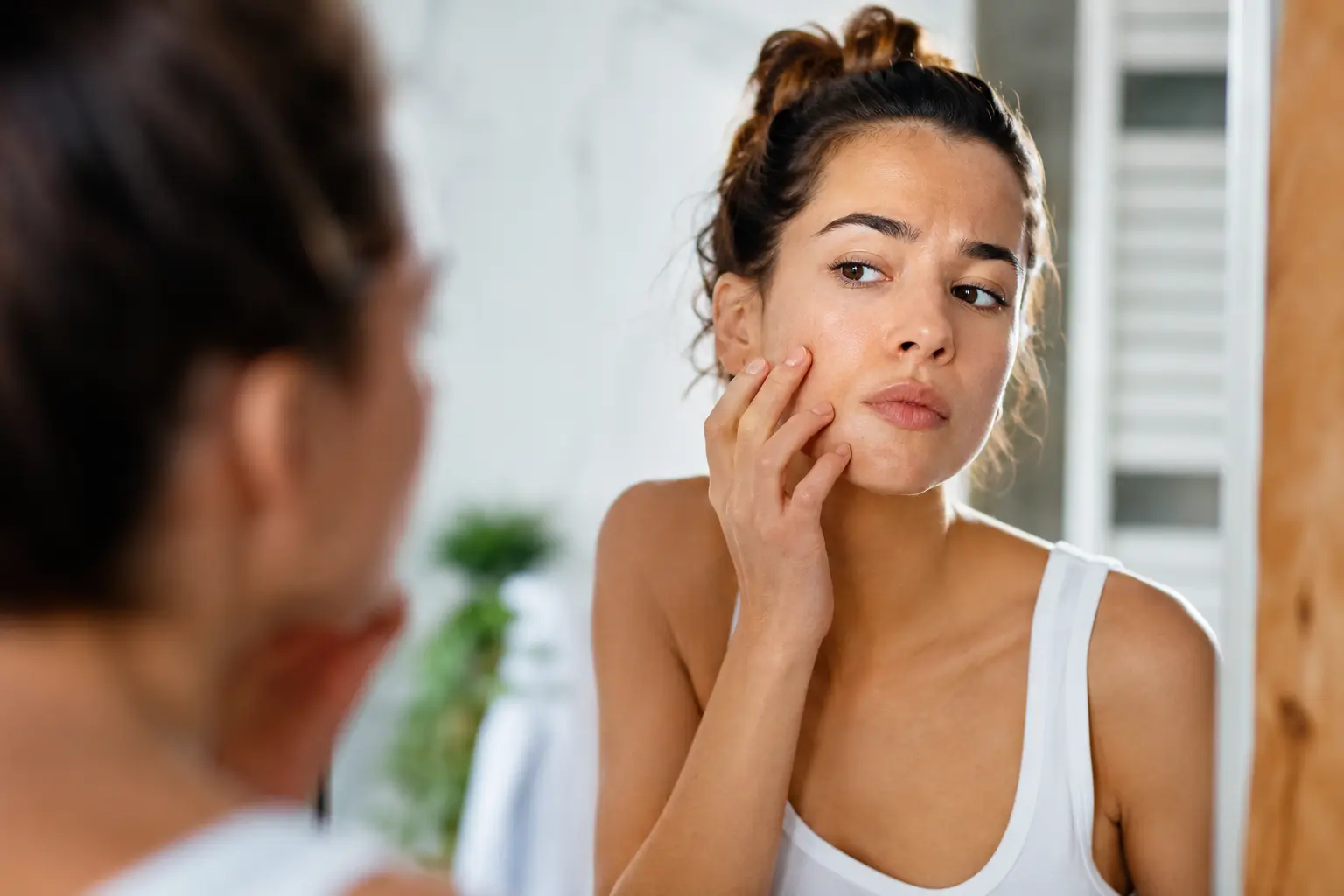
Your skin feels tight, looks dull, and no amount of moisturizer seems to help because you’ve been making skin hydration mistakes that are actually making everything worse.
Choosing the right cleanser
The cleanser you choose sets the foundation for everything that follows. Many seniors reach for whatever is on sale or what they have used for decades, but this is where the first hydration mistake often happens. A gentle, hydrating cleanser that preserves your skin’s natural protective barrier is essential. Look for ingredients like hyaluronic acid, which holds water in the skin, or glycerin, which draws moisture from the air into your skin. Avoid harsh sulfates that strip away oils your skin desperately needs. Consider this scenario: Margaret, 68, switched from a foaming cleanser to a creamy one with hyaluronic acid and noticed her skin felt softer within a week. The key is understanding that cleansing should refresh your skin, not leave it feeling tight or squeaky. Your skin’s natural oils are not the enemy; they are your allies in the fight against dehydration.
- Avoid hot water while cleansing to prevent stripping your skin of essential oils.
- Pat your skin dry instead of rubbing it harshly with a towel after washing your face.
- Consider using a micellar water cleanser for a gentle and hydrating option.
Moisturizing effectively
After cleansing, your skin is most receptive to moisture, making this the critical moment to lock in hydration. Apply a rich moisturizer while your skin is still slightly damp to seal in water. Look for products containing ceramides, which repair your skin barrier, shea butter, which provides deep nourishment, or oils like argan or jojoba that penetrate without feeling greasy. Think of your moisturizer as a protective seal that prevents water from escaping. Many seniors make the mistake of using the same light moisturizer they used at 40, not realizing that skin changes with age and needs more intensive hydration. A good rule is to use a pea-sized amount for your face and gently press it in rather than rubbing. If your skin still feels dry after two weeks, you may need a heavier formula or to apply moisturizer twice daily. Your skin barrier is like a brick wall; ceramides are the mortar that holds it together.
📘 Fix your day in under 2 minuteschoose where to begin:
Staying hydrated inside out
Hydration starts from within, and this is often overlooked by people focused only on topical treatments. Your skin reflects your overall hydration status, so drinking adequate water throughout the day is non-negotiable. Most seniors need about 8 glasses of water daily, though individual needs vary based on activity level and climate. Beyond plain water, herbal teas like chamomile or green tea offer hydration plus antioxidants that protect skin. Water-rich foods such as cucumbers, watermelon, oranges, and leafy greens contribute significantly to skin moisture. Robert, 72, added a glass of water with each meal and increased his intake of water-rich vegetables, and his dermatologist noted improved skin texture within a month. The connection between internal hydration and skin appearance is direct and measurable. If you struggle to drink enough water, try keeping a water bottle visible or setting phone reminders. Your skin cannot be hydrated from the outside alone if your body is dehydrated from within.
Avoiding common hydration mistakes
Understanding what damages your skin’s hydration is just as important as knowing what helps it. Harsh exfoliants, especially those with large particles or acids used too frequently, strip away the protective layer your skin needs. Products containing high concentrations of alcohol are dehydrating and should be avoided or used sparingly. Extended time in hot showers and saunas, while relaxing, causes water to evaporate from your skin rapidly. Many seniors also overuse anti-aging serums or actives without realizing these can be drying if not balanced with proper hydration. The mistake of thinking more products equals better results is common; sometimes simplicity works best. Limit exfoliation to once or twice weekly, avoid alcohol-based toners, and keep showers warm rather than hot. Pay attention to how your skin responds to each product over two weeks; if it feels tighter or more uncomfortable, that product is likely working against your hydration goals. Your skin will tell you what it needs if you listen.
Protecting your skin from the sun
Sun exposure is a major cause of skin dehydration and damage that compounds over time. UV rays break down collagen and elastin while causing water loss from the skin’s surface. Apply a broad-spectrum sunscreen with at least SPF 30 daily, even on cloudy days, as UV rays penetrate clouds. Many seniors skip this step thinking they spend little time outdoors, but incidental sun exposure during errands adds up significantly over weeks and months. Wear protective clothing like long sleeves or lightweight jackets, wide-brimmed hats, and sunglasses when spending extended time outside. Seek shade during peak sun hours between 10 a.m. and 4 p.m. when UV intensity is highest. Consider this: Helen, 70, added daily sunscreen to her routine and noticed her skin looked more hydrated and youthful within three months because she was preventing further moisture loss. Sunscreen is not just about preventing cancer; it is about preserving the hydration and health of your skin barrier. Make it a non-negotiable habit, like brushing your teeth.
Proper cleansing, moisturizing, hydration from within, avoiding common mistakes, and sun protection are key in fixing dehydrated skin for seniors.
Can drinking more water really improve my skin’s hydration?
Yes, staying hydrated by drinking enough water is essential for maintaining skin moisture levels and overall skin health.
How can I tell if my skin is dehydrated or just dry?
Dehydrated skin lacks water, while dry skin lacks oil. Dehydrated skin may feel tight, look dull, and show more fine lines.
Others also read:
Disclaimer: This article is for informational purposes only and is not a substitute for professional medical advice. Always consult a healthcare professional for personal guidance.
This guide has been prepared and reviewed by the GlobalHealthBeacon editorial team and reflects current medical research as of 2026. It provides structured, evidence-based information to support informed health decisions.
