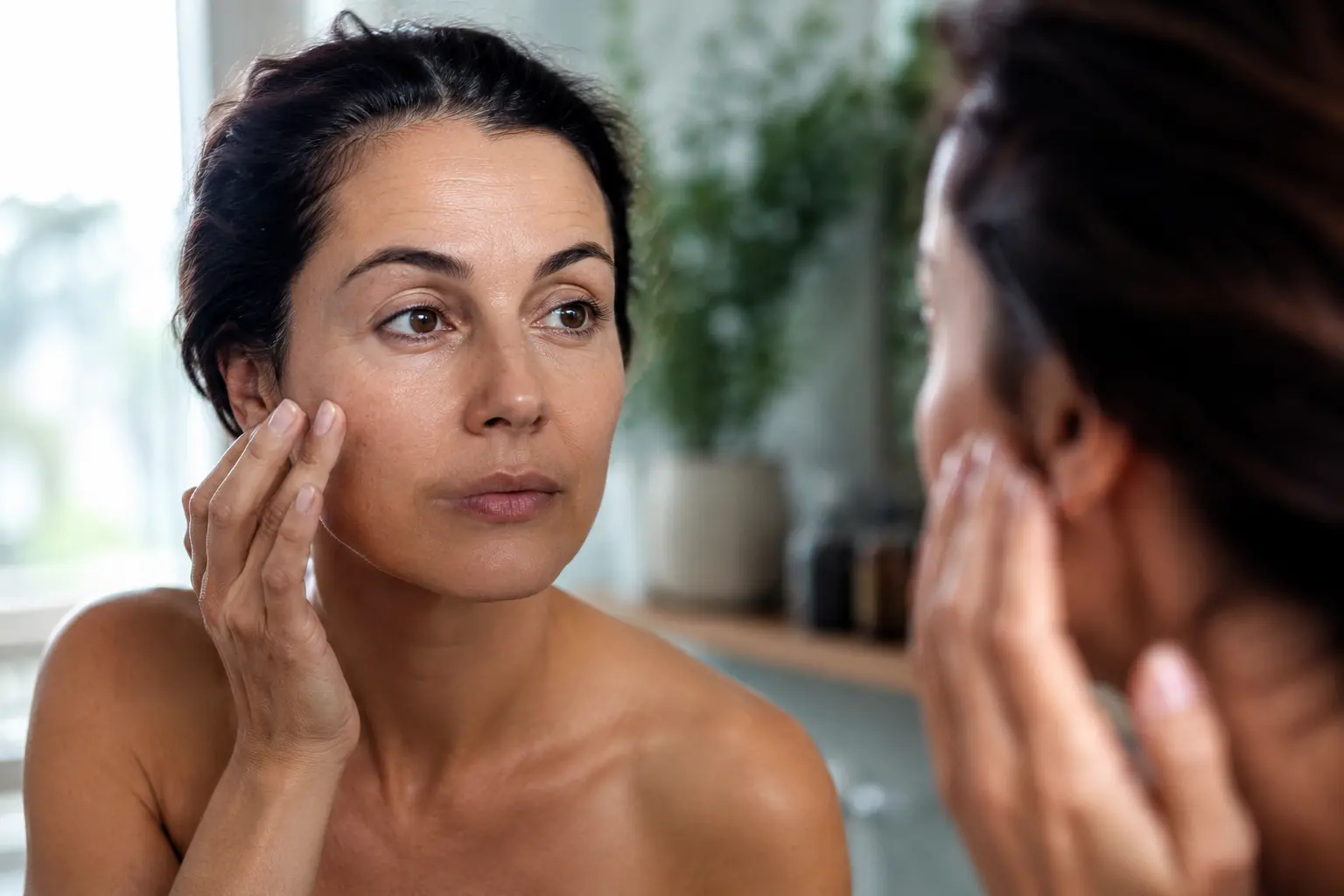
Your skin feels thinner, spots appear overnight, and those lines seem deeper every year, but understanding skin longevity explained helps you see this is not inevitable decline, it’s biology you can actually work with.
Cellular renewal and collagen degradation
Think of your skin as a living factory that never stops working. When you were younger, your skin cells completed their full lifecycle in about 28 days, constantly shedding dead cells and replacing them with fresh ones. But as you age, this cellular turnover slows dramatically, sometimes taking 40 to 60 days or longer. This slowdown means dead skin cells accumulate on the surface, making your complexion look dull and tired. Simultaneously, collagen, the protein that acts like your skin’s structural scaffolding, begins to break down. Collagen gives skin its firmness and bounce. When collagen production decreases and existing collagen degrades, you notice sagging, wrinkles, and loss of elasticity. A 60-year-old typically has about 25 percent less collagen than they did at 30. This is not a flaw in your body, it is a predictable biological process that happens to everyone.
UV damage and oxidative stress
Imagine your skin cells as tiny workers constantly exposed to invisible attackers. UV radiation from the sun penetrates deep into the skin’s layers, damaging the DNA inside cells and triggering a cascade of harmful chemical reactions. These reactions generate free radicals, unstable molecules that damage cell membranes and accelerate aging. Someone who spent decades working outdoors or enjoying beach vacations without protection often shows visible signs of this damage: sunspots, leathery texture, and deep wrinkles concentrated on sun-exposed areas like the face, neck, and hands. Even brief, repeated sun exposure adds up over time. The damage is cumulative and often does not show up until years later. This is why a 70-year-old who protected their skin in their 40s and 50s often looks noticeably younger than someone who did not, even if both are the same age. Oxidative stress from pollution, smoking, and other environmental factors compounds this effect, creating a perfect storm of premature aging.
Maintaining skin health
Promoting skin longevity is not about fighting nature, it is about supporting your body’s natural processes. A holistic approach addresses skin from the inside and outside. Hydration matters because skin cells need water to function properly and maintain plumpness. A diet rich in antioxidants from colorful vegetables, berries, and nuts provides your skin with tools to fight free radical damage. Protecting your skin from UV rays is perhaps the single most impactful action you can take, as sun damage is cumulative and irreversible. Regular moisturization helps your skin barrier function properly, reducing water loss and irritation. Gentle skincare routines avoid unnecessary stress on delicate facial skin. Many people make the mistake of using harsh products or over-exfoliating, which damages the skin barrier and causes more problems. Instead, consistency and simplicity work best. A basic routine of gentle cleansing, moisturizing, and sun protection can yield better results than complex regimens with multiple products.
- Drink plenty of water throughout the day to keep your skin hydrated from within, supporting cellular function and maintaining skin plumpness.
- Include fruits, vegetables, and nuts in your diet for their antioxidant properties, which help protect skin cells from free radical damage.
- Apply sunscreen daily, even on cloudy days, to shield your skin from harmful UV rays that cause irreversible damage and premature aging.
🔬 Science-backed benefits in 2 minuteschoose where to begin:
Intrinsic vs. extrinsic factors
Your skin’s aging story is written by two different authors: your genes and your environment. Intrinsic factors, determined by genetics, control how quickly your skin naturally loses collagen, how much elastin your body produces, and your skin’s natural moisture retention ability. If your parents had youthful skin at 70, you likely inherited similar traits. However, genetics is not destiny. Extrinsic factors, the choices and exposures you control, often have a bigger impact than people realize. Sun exposure, smoking, alcohol consumption, sleep deprivation, stress, and pollution all accelerate aging visibly. A striking example is identical twins where one smoked and spent time in the sun while the other protected their skin and did not smoke. By their 50s, the differences are often dramatic, with the protected twin looking significantly younger. This demonstrates that while you cannot change your genes, you can dramatically influence how your skin ages by managing environmental and lifestyle factors.
Skincare ingredients and treatments
Modern skincare science has identified specific ingredients that address aging at the cellular level. Retinoids, derived from vitamin A, increase cell turnover and stimulate collagen production, making them among the most researched anti-aging compounds. Vitamin C is a powerful antioxidant that protects against free radical damage and brightens skin tone. Hyaluronic acid holds water in the skin, plumping fine lines and improving hydration. These ingredients work best when used consistently over months, not days. Beyond topical products, non-invasive treatments offer additional options. Microdermabrasion physically removes dead skin cells, promoting cellular renewal. Laser therapy stimulates collagen production and can address sunspots and uneven texture. Chemical peels use mild acids to exfoliate and rejuvenate. These treatments are not magic, but they can provide measurable improvements when combined with a solid skincare foundation and sun protection. Many people expect dramatic results from a single treatment and feel disappointed, but realistic expectations involve gradual improvement over time.
Lifestyle modifications for healthy skin
Your skin reflects your overall health and lifestyle choices more than most people realize. Smoking accelerates skin aging by reducing blood flow, depleting antioxidants, and causing repetitive facial expressions that deepen wrinkles. Excessive alcohol dehydrates skin and impairs the body’s ability to repair damage. Chronic stress elevates cortisol, which can trigger inflammation and worsen skin conditions. Conversely, adequate sleep is when your body repairs itself most actively, including skin cell renewal and collagen synthesis. Regular exercise increases blood flow, delivering oxygen and nutrients to skin cells while removing toxins through sweat. A 65-year-old who exercises regularly, sleeps seven to eight hours nightly, manages stress through meditation or hobbies, and avoids smoking typically has noticeably healthier, more vibrant skin than someone who neglects these areas. These lifestyle factors are not separate from skincare, they are foundational to it. No expensive cream can compensate for poor sleep and chronic stress.
Understanding the mechanisms of skin aging, from cellular renewal to environmental influences, can empower seniors to make informed choices for maintaining healthy and radiant skin.
Can genetics determine how my skin ages?
While genetics contribute to skin structure and function, lifestyle choices and environmental factors also play a significant role in determining how skin ages.
How can I protect my skin from premature aging?
Protect your skin by wearing sunscreen daily, staying hydrated, eating a balanced diet rich in antioxidants, and avoiding smoking and excessive sun exposure.
Others also read:
Disclaimer: This article is for informational purposes only and is not a substitute for professional medical advice. Always consult a healthcare professional for personal guidance.
This article has been prepared and reviewed by the GlobalHealthBeacon editorial team and is based on current medical research and published scientific literature available in 2026. It provides structured, evidence-based information to support informed health decisions.
