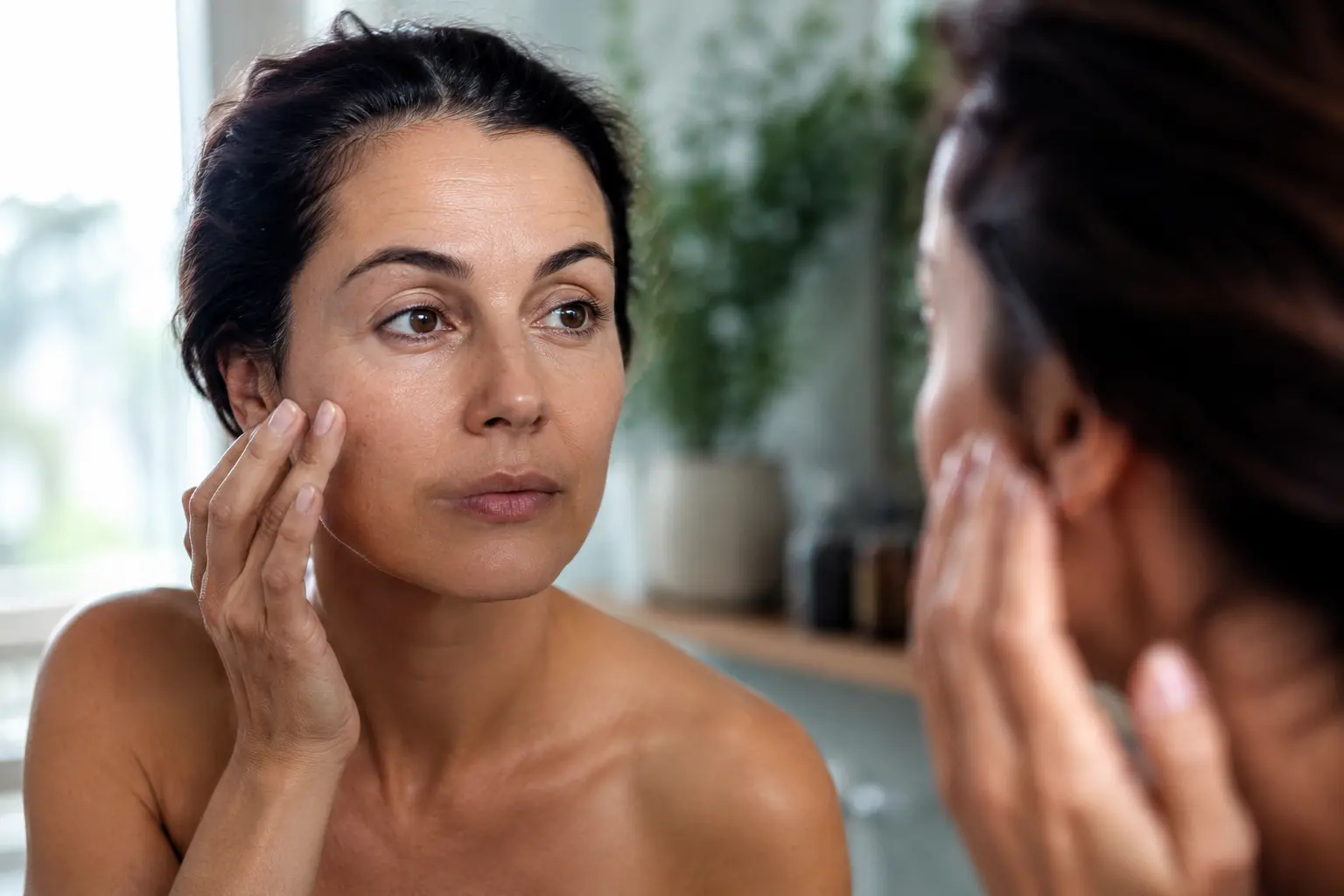
Your skin feels thinner, drier, and those lines seem to deepen overnight, but here’s what’s actually happening beneath the surface: skin longevity explained through the biology of aging, and why understanding it changes everything about how you care for yourself.
Understanding skin aging
Skin aging isn’t random or inevitable in the way many people assume. It’s driven by two distinct biological pathways that work simultaneously. Intrinsic aging, also called chronological aging, is governed by your genetics and internal hormonal shifts. Think of it like your body’s internal clock ticking forward. Your genes determine how quickly your skin cells divide, how much collagen your fibroblasts produce, and when your skin barrier naturally weakens. Extrinsic aging, by contrast, comes from the world around you. Sun exposure damages collagen through ultraviolet radiation. Air pollution introduces free radicals that oxidize skin cells. Smoking constricts blood vessels, reducing oxygen flow to skin tissue. Stress elevates cortisol, which breaks down collagen. A 65-year-old who spent decades outdoors without sunscreen may look 15 years older than a 65-year-old who protected their skin, even if their genetic aging rate is identical. The good news is that while you cannot change your genes, you have significant control over extrinsic factors.
Cellular changes in aging skin
At the cellular level, aging skin undergoes measurable, observable changes. Cell turnover slows dramatically. In your twenties, skin cells completely renew every 28 days. By your sixties, this cycle extends to 40 to 60 days or longer. Dead skin cells accumulate on the surface, making skin appear dull and rough. Simultaneously, collagen and elastin production decline. Collagen provides structural support and firmness. Elastin allows skin to stretch and bounce back. As these proteins diminish, skin loses its plumpness and begins to sag. The skin barrier, which is composed of lipids and proteins, becomes compromised. This weakened barrier allows moisture to escape and irritants to penetrate more easily, leading to increased dryness and sensitivity. Melanin production becomes uneven, creating age spots. Blood flow to the skin decreases, reducing the natural glow that comes from oxygen-rich blood. These aren’t cosmetic concerns alone; they reflect real biological shifts that affect how your skin functions and protects you.
Maintaining senior skin health
Protecting and nourishing aging skin requires a multi-layered approach grounded in how skin actually works. UV radiation is the single largest extrinsic aging factor, so daily sun protection is foundational. Sunscreen works by either absorbing UV rays (chemical sunscreens) or reflecting them (mineral sunscreens). Applying it daily, even on cloudy days, prevents cumulative DNA damage to skin cells. Hydration supports skin function from the inside out. Water helps maintain skin plumpness, supports nutrient transport to skin cells, and aids in toxin removal. Dehydrated skin appears more wrinkled and feels tight. Skincare ingredients matter because they address specific aging mechanisms. Antioxidants like vitamins C and E neutralize free radicals before they damage collagen. Retinol increases cell turnover and stimulates collagen production. Hyaluronic acid holds water in the skin, plumping fine lines. Niacinamide strengthens the skin barrier and reduces inflammation. Peptides signal your skin cells to produce more collagen. Rather than chasing miracle products, focus on consistent use of evidence-based ingredients tailored to your skin’s needs.
- Apply sunscreen with at least SPF 30 every morning, reapplying every two hours if outdoors, to block cumulative UV damage.
- Drink adequate water throughout the day to support skin hydration and cellular function from within.
- Use a retinol or retinoid product two to three times weekly to stimulate cell turnover and collagen production.
- Apply a hydrating moisturizer containing hyaluronic acid or ceramides to strengthen your skin barrier.
- Include an antioxidant serum with vitamin C or E in your morning routine to protect against environmental damage.
🔬 Science-backed benefits in 2 minuteschoose where to begin:
The role of lifestyle in skin aging
Your daily habits shape your skin’s trajectory more than most people realize. Nutrition directly impacts skin health because your skin cells require specific nutrients to function. Omega-3 fatty acids support skin barrier integrity. Vitamin C is essential for collagen synthesis. Zinc aids in skin repair and inflammation control. A diet heavy in processed foods and sugar accelerates aging through a process called glycation, where sugar molecules bind to collagen and elastin, making them stiff and less functional. Regular exercise increases blood flow, delivering oxygen and nutrients to skin cells while removing metabolic waste. It also reduces stress hormones that degrade collagen. Sleep is when your body repairs itself, including skin. During deep sleep, growth hormone peaks, collagen is synthesized, and skin cells regenerate. Chronic sleep deprivation impairs these processes, accelerating visible aging. Smoking is particularly damaging because it constricts blood vessels, reducing oxygen delivery, and introduces toxins that damage collagen directly. Chronic stress elevates cortisol, which breaks down collagen and impairs skin barrier function. A 70-year-old who exercises regularly, sleeps well, eats a nutrient-rich diet, and manages stress will have noticeably healthier skin than someone the same age with opposite habits.
Professional treatments for aging skin
When consistent skincare and lifestyle changes alone don’t address specific concerns, dermatological treatments offer targeted solutions backed by research. Chemical peels use acids to remove damaged outer skin layers, stimulating collagen production and revealing fresher skin beneath. Microdermabrasion physically exfoliates the skin surface, improving texture and reducing the appearance of fine lines. Laser therapies work by creating controlled micro-injuries that trigger collagen remodeling. Different laser wavelengths target different concerns: some address pigmentation, others stimulate collagen, and some resurface the entire skin. Microneedling creates tiny punctures that activate your skin’s natural healing response, increasing collagen and elastin production. Dermal fillers replace lost volume in areas like cheeks and lips that naturally deflate with age. Botulinum toxin relaxes muscles that create dynamic wrinkles. These treatments vary in downtime, cost, and results. A dermatologist can assess your specific aging patterns, skin type, and concerns to recommend the most appropriate approach. Results are often most impressive when professional treatments are combined with a solid at-home skincare routine and healthy lifestyle choices.
Conclusion on senior skin health
Understanding skin aging transforms how you approach your skincare routine and daily choices. Skin aging is not a mystery or an inevitable decline you must simply accept. It’s a biological process with identifiable mechanisms that you can influence. The research is clear: intrinsic aging happens to everyone, but extrinsic aging is largely preventable. The sun damage you accumulate in your forties shows up as spots and leathery texture in your seventies. The collagen you preserve through consistent skincare and healthy habits keeps your skin plump and resilient. The lifestyle choices you make today compound over years. A 60-year-old who starts protecting their skin now will look noticeably better at 70 than someone who doesn’t. This isn’t about vanity. Healthy skin functions better as a barrier against infection and environmental damage. It reflects overall health and vitality. By taking a science-informed approach to skincare, making intentional lifestyle choices, and consulting professionals when needed, you’re not fighting aging. You’re supporting your skin’s natural ability to stay healthy and resilient through your senior years.
Skin aging results from intrinsic genetic factors and extrinsic environmental influences. Cellular changes like slowed turnover and decreased collagen production are measurable and addressable. Consistent skincare with evidence-based ingredients, sun protection, healthy lifestyle habits, and professional treatments when appropriate all contribute to maintaining skin health and appearance as you age.
Can skincare products reverse skin aging?
Skincare products cannot reverse the intrinsic aging process or undo years of accumulated sun damage, but they can meaningfully slow visible aging and improve skin appearance. Retinoids increase cell turnover and stimulate collagen production. Antioxidants prevent further damage. Hydrating ingredients plump fine lines temporarily and support barrier function. Consistent use of quality products over months and years produces cumulative improvements in texture, tone, and firmness. The key is realistic expectations: products maintain and improve, not reverse.
What are the best ingredients for senior skin health?
Retinol and retinoids are gold standard because they increase cell turnover and collagen production with strong research backing. Hyaluronic acid holds water in skin, plumping lines and supporting hydration. Peptides signal skin cells to produce more collagen and elastin. Niacinamide strengthens the skin barrier, reduces inflammation, and improves skin texture. Vitamin C is a potent antioxidant that protects against environmental damage and supports collagen synthesis. Ceramides repair and maintain the skin barrier. Glycerin draws moisture into skin. The most effective approach combines multiple ingredients addressing different aging mechanisms rather than relying on a single ingredient.
Others also read:
Disclaimer: This article is for informational purposes only and is not a substitute for professional medical advice. Always consult a healthcare professional for personal guidance.
This article has been prepared and reviewed by the GlobalHealthBeacon editorial team and is based on current medical research and published scientific literature available in 2026. It provides structured, evidence-based information to support informed health decisions.
