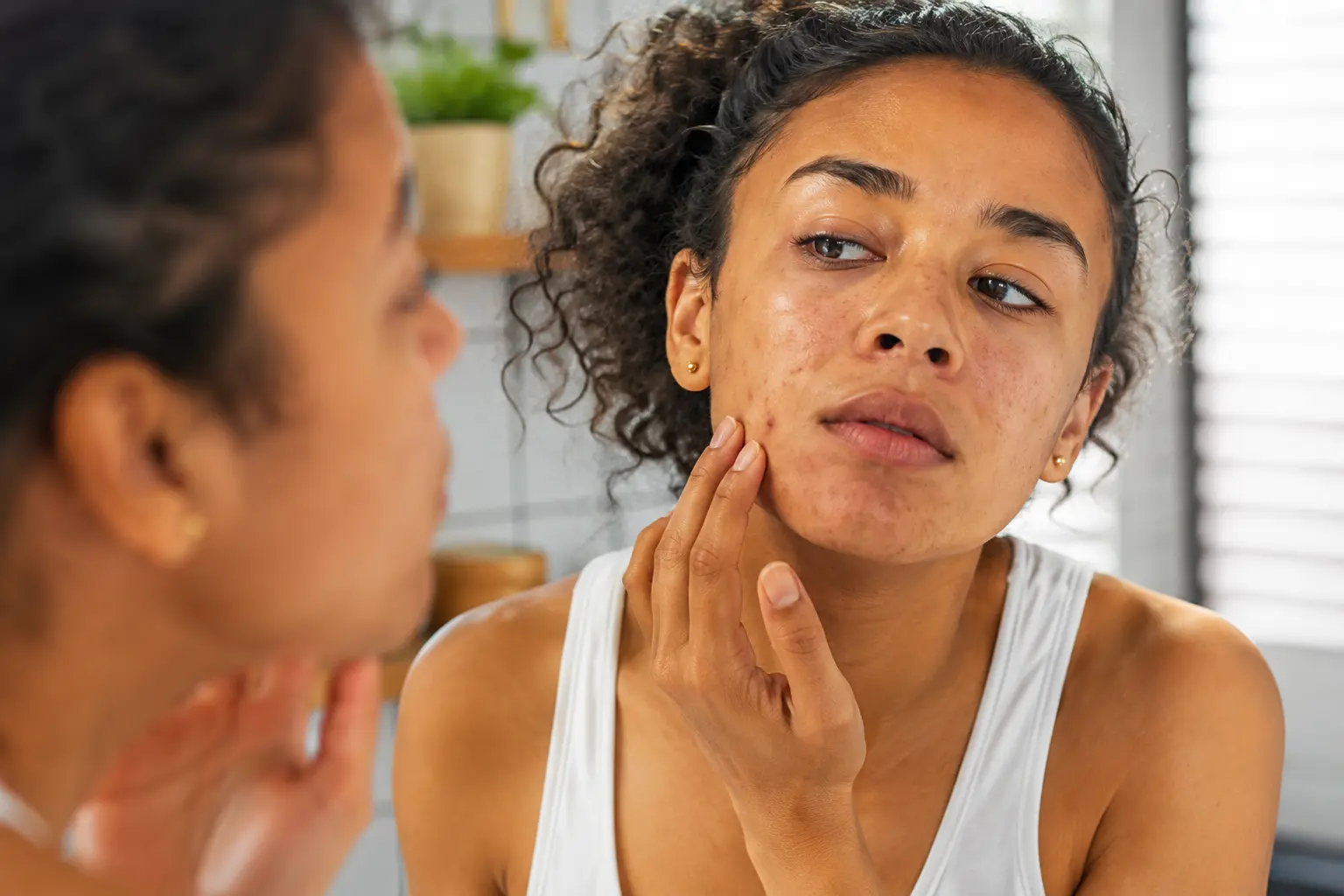
Your skin feels angry, itchy, or just plain confused, and no amount of expensive serums seems to fix it, so let’s finally get skin microbiome health explained in a way that actually makes sense and helps you take back control.
What is the skin microbiome?
Your skin is not a sterile surface. It’s a living ecosystem teeming with bacteria, fungi, viruses, and other microorganisms that form what scientists call the skin microbiome. Think of it like a tiny garden on your face and body, where trillions of microscopic residents work together to keep your skin functioning properly. These microorganisms form a protective barrier that shields you from harmful pathogens, regulates your immune response, and maintains your skin’s natural pH balance. When this ecosystem is thriving and diverse, your skin looks clearer, feels smoother, and recovers faster from irritation. The balance of your microbiome is shaped by genetics, your environment, the products you use, your diet, stress levels, and even your sleep patterns. Understanding what lives on your skin and why it matters is the first step toward making informed decisions about your skincare routine.
- Consists of bacteria, fungi, viruses, and other microorganisms.
- Balanced microbiome promotes healthy skin barrier function.
- Can be influenced by genetics, environment, and skincare products.
Balancing your skin microbiome
Achieving balance in your skin microbiome starts with rethinking how you clean your skin. Most women are taught to strip their skin clean, but over-cleansing actually damages the delicate ecosystem you’re trying to protect. Harsh soaps and hot water wash away beneficial bacteria along with the bad, leaving your skin vulnerable and triggering overproduction of oil as compensation. Instead, use lukewarm water and a gentle, pH-balanced cleanser that respects your skin’s natural acidity. Look for products labeled with prebiotics, which feed your good bacteria, or probiotics, which introduce beneficial strains directly. Avoid products with high alcohol content, strong fragrances, or sulfates that disrupt microbial balance. Consider a double cleanse routine in the evening: a gentle oil-based cleanser first, followed by a mild water-based one. This removes makeup and environmental debris without stripping. Give your skin time to adjust when switching products, as your microbiome may take two to four weeks to stabilize.
📘 Fix your day in under 2 minuteschoose where to begin:
Protecting your skin microbiome
Protection means being intentional about what you expose your skin to and what you apply to it. Excessive exfoliation, whether physical or chemical, removes the protective layer of beneficial bacteria along with dead skin cells. Limit exfoliation to once or twice weekly, and always follow with a hydrating product to restore barrier function. Daily sunscreen is non-negotiable, not just for UV protection but because sun damage triggers inflammation that disrupts microbial balance. Choose mineral or reef-safe sunscreens when possible, as some chemical filters can harm beneficial bacteria. Incorporate antioxidants like vitamin C, vitamin E, or green tea extract into your routine to combat oxidative stress that destabilizes your microbiome. Avoid touching your face throughout the day, as your hands transfer bacteria from your environment. Keep your phone screen clean, change pillowcases regularly, and be mindful of how often you wear tight hats or headbands that trap moisture and create an environment where harmful bacteria thrive. These small protective measures compound over time.
Signs of an imbalanced skin microbiome
An imbalanced microbiome sends clear signals that something is off. You might notice persistent redness that doesn’t fade with moisturizer, or sensitivity that makes even gentle products sting. Acne breakouts, especially those that cluster in the same areas repeatedly, often signal microbial imbalance rather than simple oil production. Excessive dryness or flakiness, even when you’re hydrating well, suggests your skin barrier is compromised. Some women experience unexplained itching or a feeling that their skin is reactive to everything. Others notice their skin looks dull or congested despite a solid routine. If these symptoms persist for more than a few weeks, or if they worsen despite your efforts, consult a dermatologist who understands microbiome health. They can assess your specific situation, potentially test your skin’s bacterial composition, and recommend targeted treatments like topical probiotics, specific antibiotics if needed, or prescription skincare that supports microbial rebalancing. Don’t assume you have sensitive skin when you might actually have an imbalanced microbiome.
Nurturing your skin microbiome
Nurturing goes beyond avoiding harm; it’s about actively feeding and supporting your skin’s microbial community. Incorporate products rich in ceramides, which strengthen your skin barrier and create a stable home for beneficial bacteria. Hyaluronic acid draws moisture into your skin, supporting the hydrated environment where good microbes thrive. Niacinamide reduces inflammation and supports barrier function, creating conditions where your microbiome can rebalance. Consider adding a dedicated probiotic serum or moisturizer to your routine, especially if your skin has been through a period of disruption from antibiotics, harsh treatments, or environmental stress. Fermented ingredients like sake or kombucha extracts can also support microbial diversity. Pay attention to your internal health too: a diet rich in fiber, fermented foods, and omega-3 fatty acids supports both your gut and skin microbiome, as they’re connected through your immune system. Manage stress through sleep, movement, and relaxation, as chronic stress triggers inflammation that destabilizes your microbiome. Think of your skincare routine as an ongoing conversation with your skin, adjusting as seasons change and your skin’s needs evolve.
Your skin microbiome is a complex, living ecosystem that deserves understanding and respect. By learning what it is, how to balance it, protect it, recognize when it’s struggling, and actively nurture it, you’re investing in long-term skin health that goes far deeper than surface-level appearance. The practices outlined in this guide work together to create an environment where your skin can thrive naturally.
How can I maintain a balanced skin microbiome?
Maintain balance by using gentle, pH-balanced cleansers instead of harsh soaps, incorporating products with prebiotics or probiotics, limiting exfoliation to once or twice weekly, avoiding over-cleansing, and choosing skincare products free from high alcohol content and strong fragrances. Support your microbiome from within by eating fermented foods, managing stress, getting adequate sleep, and staying hydrated.
What are the signs of an imbalanced skin microbiome?
Signs include persistent redness, unexplained sensitivity or stinging, recurring acne in the same areas, excessive dryness or flakiness despite moisturizing, itching, and a dull or congested appearance. If these symptoms persist for more than a few weeks, consult a dermatologist who understands microbiome health for personalized assessment and recommendations.
Others also read:
Disclaimer: This article is for informational purposes only and is not a substitute for professional medical advice. Always consult a healthcare professional for personal guidance.
This guide has been prepared and reviewed by the GlobalHealthBeacon editorial team and reflects current medical research as of 2026. It provides structured, evidence-based information to support informed health decisions.
