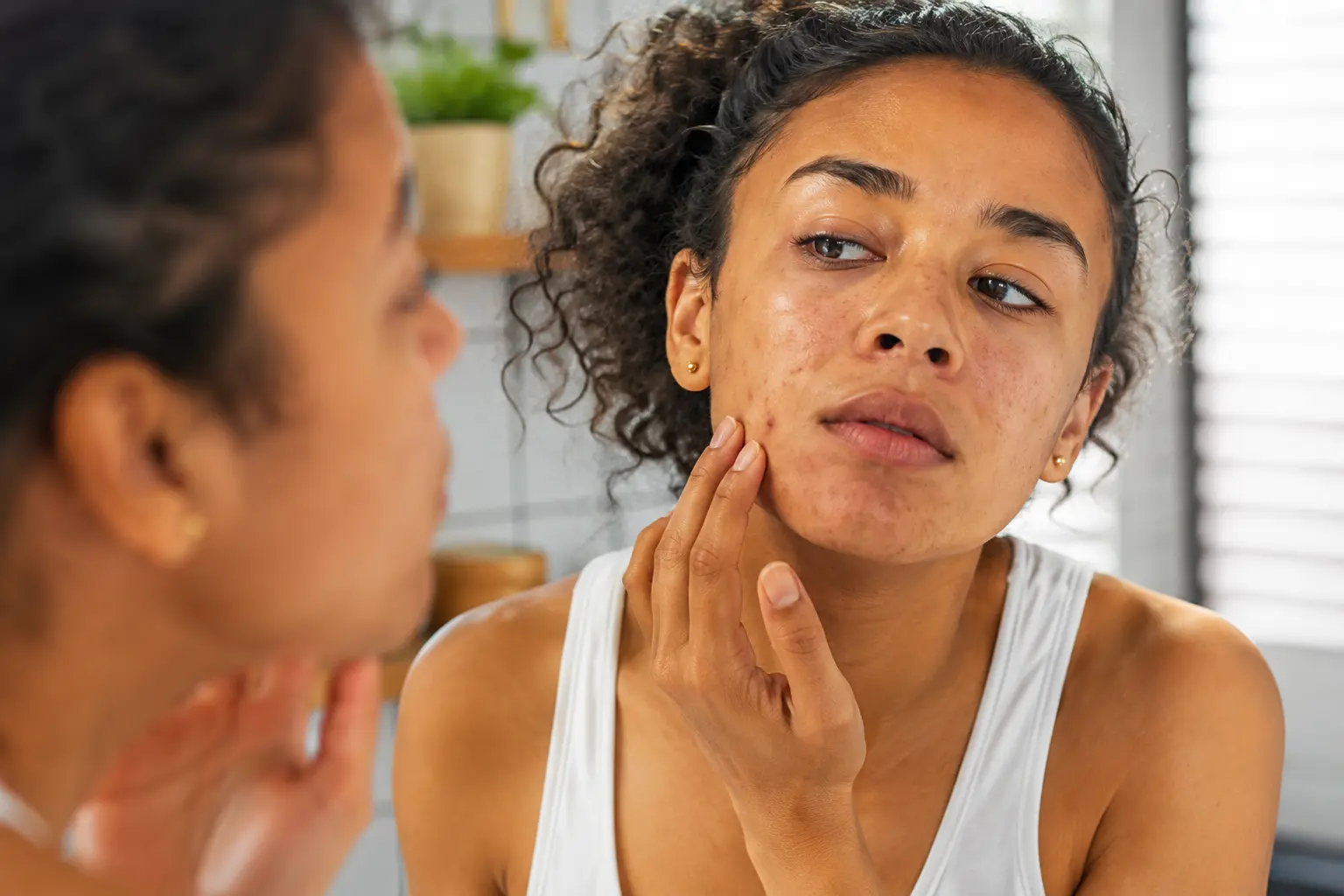
You wake up with unexplained breakouts, your skin feels tight and reactive, and nothing seems to work anymore—what if the real problem isn’t your skincare routine but the invisible ecosystem living on your skin itself? Skin microbiome health explained is the missing piece that dermatologists and researchers are finally taking seriously, and understanding it might just change everything about how you think about your skin.
The skin microbiome: an intricate ecosystem
Your skin is home to trillions of microorganisms—bacteria, fungi, viruses, and other microscopic life forms that create a complex, living ecosystem. Think of it like a bustling city on your skin’s surface, where each resident has a specific job. The most abundant inhabitants are bacteria like Staphylococcus epidermidis and Cutibacterium acnes, which aren’t inherently bad despite acne’s association with the latter. These microbes form what scientists call a biofilm, a protective layer that shields your skin from harmful pathogens and environmental stressors. They produce natural antimicrobial compounds, regulate your skin’s pH balance, and communicate with your immune system to keep inflammation in check. When this ecosystem is balanced and diverse, your skin barrier strengthens, moisture retention improves, and your natural defense mechanisms work optimally. Research shows that women’s skin microbiomes differ significantly from men’s due to hormonal fluctuations, which is why your skin might feel completely different at various points in your cycle.
Factors influencing skin microbiome composition
Your skin microbiome isn’t fixed—it’s constantly shifting based on what you expose it to. Age plays a major role; teenage skin has different microbial populations than skin in your 40s and 50s, which is why acne peaks in adolescence but other conditions emerge later. Genetics determine your baseline microbiome diversity, but environment and lifestyle choices actively reshape it daily. Harsh cleansers strip away beneficial bacteria, antibacterial soaps eliminate the good along with the bad, and over-exfoliation damages the physical barrier that protects your microbial community. Diet influences your skin microbiome indirectly through your gut, while stress hormones like cortisol can shift the balance toward inflammatory species. Climate, pollution exposure, and even the fabrics touching your skin matter. Women who use heavy makeup, frequent antibiotics, or live in highly chlorinated environments often experience microbiome disruption, leading to conditions like acne, eczema flare-ups, or unexplained sensitivity. Common mistakes include using too many active ingredients simultaneously, which overwhelms the microbiome, or switching products constantly before giving your skin time to rebalance.
The gut-skin microbiome connection
Scientists have discovered a fascinating two-way communication system called the gut-skin axis. Your digestive system and skin microbiome are in constant dialogue through your immune system, bloodstream, and nervous system. When your gut microbiome is imbalanced—a condition called dysbiosis—it can trigger inflammation throughout your body, including your skin. This manifests as stubborn acne, rosacea flare-ups, or eczema that doesn’t respond to topical treatments alone. Conversely, a thriving gut microbiome produces short-chain fatty acids like butyrate, which strengthen your intestinal barrier and reduce systemic inflammation. This reduces the inflammatory signals reaching your skin, allowing your skin microbiome to rebalance naturally. Women often notice dramatic skin improvements after addressing gut health through dietary changes. For example, a woman with persistent jawline acne might discover that eliminating processed foods and adding fermented vegetables resolves her breakouts within weeks, not because of topical treatments but because her gut-skin axis finally stabilized. The connection is so strong that dermatologists increasingly ask patients about digestive health, bloating, and food sensitivities before prescribing skin treatments.
- Maintain a balanced diet rich in fiber and fermented foods like sauerkraut, kimchi, and yogurt to feed beneficial gut bacteria.
- Stay hydrated to support gut and skin health by drinking adequate water throughout the day, which aids nutrient absorption and toxin elimination.
- Consider probiotics or prebiotics to promote gut microbiome diversity, but choose quality supplements and give them at least 4-6 weeks to show effects.
🔬 Science-backed benefits in 2 minuteschoose where to begin:
Skin microbiome and dermatological treatments
The skincare and dermatology industries are experiencing a paradigm shift toward microbiome-friendly approaches. Instead of killing bacteria indiscriminately, modern treatments aim to restore balance and diversity. Dermatologists now prescribe probiotic skincare products containing beneficial bacterial strains like Vitreoscilla or Lactobacillus, which colonize your skin and outcompete harmful species. Microbiome-friendly cleansers use gentler surfactants that remove dirt without stripping protective oils and beneficial bacteria. Some clinics offer microbiome testing to identify your specific bacterial composition, then recommend targeted treatments. For instance, if testing reveals an overgrowth of inflammatory Cutibacterium species, a dermatologist might recommend a probiotic serum rather than isotretinoin. Prescription treatments like azelaic acid work by selectively reducing problematic bacteria while preserving beneficial ones. Women report better long-term results with these approaches because they address root causes rather than symptoms. The beauty industry has caught on too, with brands launching microbiome-conscious product lines that avoid common irritants like synthetic fragrances and high-pH formulations that disrupt the skin’s natural acidic environment.
Future perspectives in skin microbiome research
Skin microbiome research is advancing rapidly, with exciting developments on the horizon. Scientists are exploring phage therapy, using viruses that target harmful bacteria without affecting beneficial ones, as a potential treatment for antibiotic-resistant skin infections. Personalized medicine is becoming reality; soon you might receive a microbiome analysis that predicts which skincare ingredients and treatments will work best for your unique bacterial composition. Research into the role of skin fungi and viruses, often overlooked in favor of bacteria, is revealing that these organisms play crucial roles in skin health and immunity. Studies are investigating whether specific microbial signatures predict conditions like rosacea, psoriasis, or premature aging, allowing for early intervention. Women’s health researchers are particularly interested in how hormonal changes throughout life stages—puberty, pregnancy, perimenopause, and menopause—reshape the skin microbiome and how to support it through these transitions. Clinical trials are testing microbial transplants, where beneficial bacteria from healthy skin are transferred to affected areas. Within the next decade, dermatology will likely shift from a one-size-fits-all approach to truly personalized, microbiome-based skincare protocols.
Microbiome diversity for healthy skin
Promoting a diverse and balanced skin microbiome requires a holistic approach that goes beyond skincare products. Start with a gentle cleansing routine using lukewarm water and pH-balanced cleansers that preserve your skin’s natural acidity, which inhibits harmful bacteria. Moisturize consistently to maintain your skin barrier, as a compromised barrier allows pathogens to penetrate and disrupts microbial balance. Limit antibiotic use to truly necessary situations, as even topical antibiotics like benzoyl peroxide can create resistant bacterial strains. Incorporate probiotic foods into your diet, manage stress through movement and sleep, and protect your skin from excessive sun exposure, which can damage both your skin barrier and beneficial bacteria. Avoid over-treating your skin with too many actives simultaneously; your microbiome needs time to adapt. A practical example: instead of using retinol, vitamin C, and niacinamide together, introduce one product every two weeks and observe how your skin responds. Many women find that simplifying their routine actually improves their skin because they’re no longer constantly disrupting their microbiome’s delicate balance. Remember that visible improvements take time—typically 6-8 weeks—because you’re rebuilding an ecosystem, not just treating a symptom.
The skin microbiome represents a paradigm shift in how we understand skin health, moving beyond bacteria-killing approaches toward ecosystem restoration. The intricate connections between your skin microbiome, gut health, lifestyle choices, and dermatological treatments reveal that skin conditions are rarely simple surface problems. By understanding these relationships and supporting microbiome diversity through gentle skincare, balanced nutrition, stress management, and informed treatment choices, you gain agency over your skin health in ways that topical treatments alone cannot achieve. The science is clear: your skin is not a battlefield to be conquered but a living ecosystem to be nurtured.
How does the skin microbiome affect skin health?
The skin microbiome influences skin health by maintaining immune responses, protecting against pathogens through competitive exclusion, and regulating inflammation through the production of beneficial metabolites. Beneficial bacteria strengthen your skin barrier, maintain optimal pH, and communicate with your immune cells to prevent overreaction. Disruptions in this balance—caused by harsh products, antibiotics, poor diet, or stress—allow harmful bacteria to proliferate, leading to acne, eczema, rosacea, and sensitivity. A diverse microbiome acts as your skin’s first line of defense against environmental stressors and infection.
What can I do to promote a healthy skin microbiome?
Support a healthy skin microbiome by using gentle, pH-balanced cleansers that preserve beneficial bacteria rather than stripping them away. Moisturize consistently to maintain your skin barrier integrity. Incorporate fermented foods and fiber-rich foods into your diet to support your gut microbiome, which influences skin health through the gut-skin axis. Manage stress through adequate sleep and movement, as stress hormones disrupt microbial balance. Avoid unnecessary antibiotics and over-treating your skin with multiple active ingredients. Consider probiotic skincare products, but introduce them gradually. Protect your skin from excessive sun exposure and environmental pollutants. Most importantly, be patient—microbiome rebalancing takes 6-8 weeks of consistent, gentle care.
Others also read:
Disclaimer: This article is for informational purposes only and is not a substitute for professional medical advice. Always consult a healthcare professional for personal guidance.
This article has been prepared and reviewed by the GlobalHealthBeacon editorial team and is based on current medical research and published scientific literature available in 2026. It provides structured, evidence-based information to support informed health decisions.
← Back to the Main page on: skin microbiome health explained
