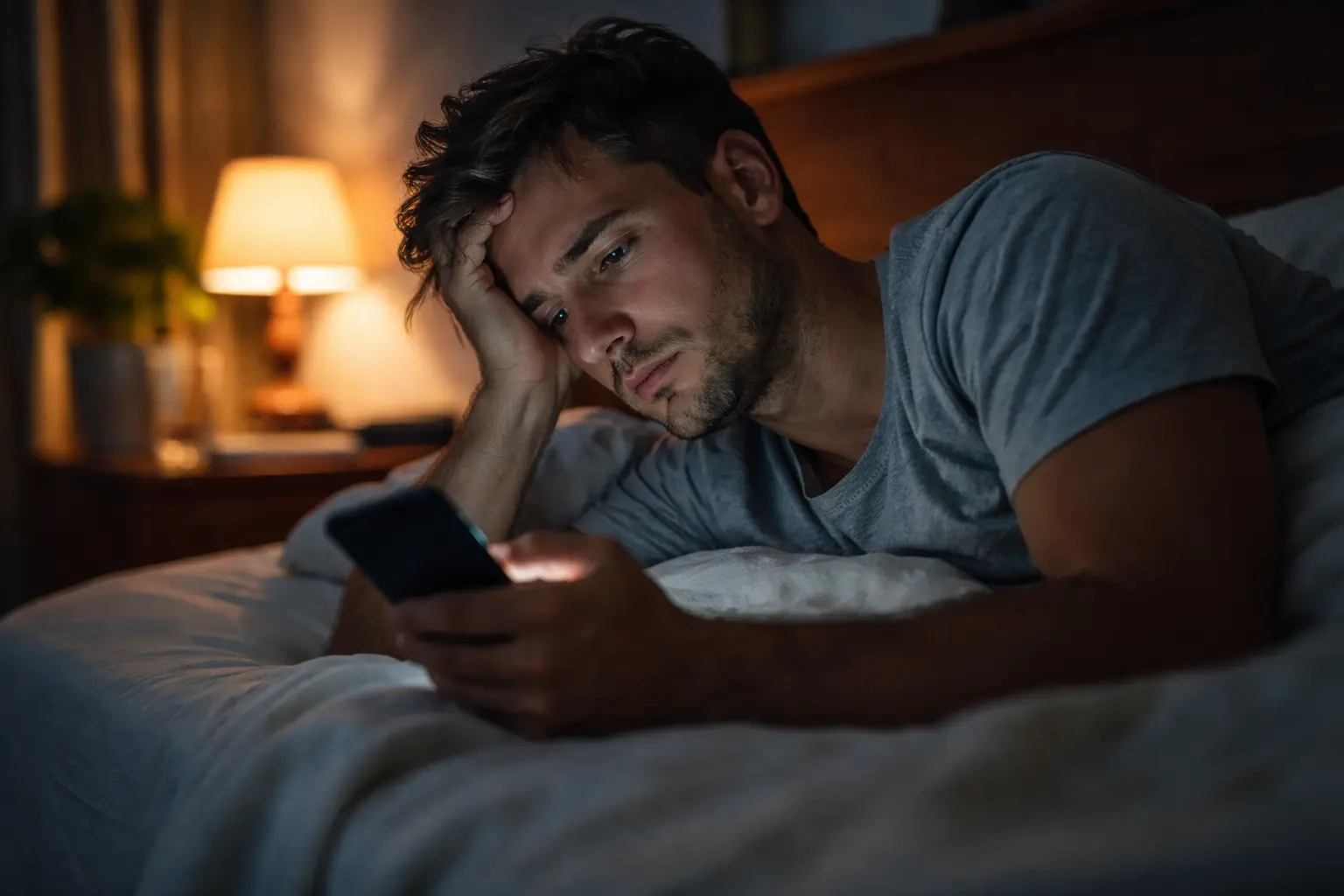
You’re waking up at 3 AM gasping for air, your heart pounding, and you have no idea why—but you know something is seriously wrong, and sleep apnea symptoms might be the answer you’ve been desperately searching for.
Discovering the signs
Recognizing sleep apnea symptoms can be tricky, especially when you’re young and assume sleep problems only happen to older people. But here’s the reality: you might be experiencing constant snoring that embarrasses you in front of partners or roommates, or you could be waking up gasping for air multiple times a night without even realizing the pattern. Maybe you’re chalking up your exhaustion to stress or a busy schedule, not understanding that your body is literally struggling to breathe while you sleep. Morning headaches that feel like a vice grip around your skull, sudden irritability that confuses your friends, and an inability to focus during important meetings or classes are all potential red flags. Pay attention to when you feel most tired, notice if your sleep partner mentions you stop breathing, and track whether you’re waking up feeling refreshed or completely drained. These observations matter more than you think.
- Loud, chronic snoring disrupting your or your partner’s sleep
- Waking up gasping or choking during the night
- Feeling excessively tired and drowsy during the day
Effects on daily life
Living with undiagnosed sleep apnea is like running on empty all the time. Your brain isn’t getting enough oxygen during sleep, which means you’re not truly resting even though you’re spending eight hours in bed. This shows up in ways that feel frustrating and confusing: you can’t concentrate during work presentations, you forget why you walked into a room, your mood swings leave people wondering what’s wrong, and simple tasks like grocery shopping feel overwhelming. Relationships suffer because you’re irritable and exhausted. Your grades might slip, your job performance drops, and you start questioning whether you’re just lazy or unmotivated. The truth is, your body is sending distress signals that something is interrupting your sleep architecture, preventing you from reaching the deep, restorative stages your mind and body desperately need. This isn’t about willpower or discipline; it’s about your breathing being interrupted repeatedly throughout the night, fragmenting your sleep and leaving you perpetually exhausted.
💬 Ready to feel better in 2 minutes?choose where to begin:
Seeking diagnosis and treatment
If you suspect sleep apnea symptoms are affecting you, reaching out to a healthcare professional is the crucial first step, even if you feel hesitant or unsure. A sleep specialist can order a sleep study, which might happen at a clinic or even at home with a portable device. The results will show whether you’re experiencing apnea events, how severe they are, and what’s causing your breathing interruptions. Treatment isn’t one-size-fits-all: some people benefit from CPAP therapy, which uses gentle air pressure to keep airways open; others find success with lifestyle adjustments like weight management, sleeping position changes, or reducing alcohol; and some need oral appliances that reposition the jaw. Your doctor will help you find what works for your body and your life. Don’t feel discouraged if the first option doesn’t feel right; many people try different approaches before finding their solution. The key is starting the conversation and committing to exploring options that will actually improve your sleep and your life.
Embracing change and support
Adjusting to sleep apnea treatment requires patience and compassion for yourself. If you’re starting CPAP therapy, the mask might feel uncomfortable at first, and that’s completely normal. Many people need time to acclimate, and there are different mask styles to try. Your sleep partner can become your biggest ally in this journey, helping you notice improvements and encouraging consistency. Online communities and support groups connect you with other young adults navigating the same experience, which normalizes what you’re going through and offers practical tips from real people. Celebrate small wins: sleeping through the night without waking gasping, waking up actually feeling rested, or noticing your mood improve. These changes happen gradually, but they’re powerful. Stay committed to your treatment plan even when it feels inconvenient, because the payoff is genuine: better energy, clearer thinking, improved relationships, and your life back. This isn’t a temporary fix; it’s a long-term investment in becoming the best version of yourself.
Understanding sleep apnea symptoms as a young adult is crucial for early detection and effective management. From recognizing the signs to seeking proper diagnosis and support, embracing change and treatment can lead to improved quality of life and restful sleep.
Can sleep apnea improve without treatment?
Sleep apnea is a chronic condition that usually requires ongoing management to alleviate symptoms and improve sleep quality. Untreated sleep apnea can lead to serious health risks, so it is essential to seek professional guidance.
Is it possible to develop sleep apnea as a young adult?
While sleep apnea is more commonly associated with older adults, it can affect individuals of any age, including young adults. Lifestyle factors, genetic predisposition, and anatomical differences can contribute to the development of sleep apnea.
Others also read:
Disclaimer: This article is for informational purposes only and is not a substitute for professional medical advice. Always consult a healthcare professional for personal guidance.
This article presents an experience-based perspective and has been reviewed by the GlobalHealthBeacon editorial team in 2026. It provides structured, evidence-based information to support informed health decisions.
