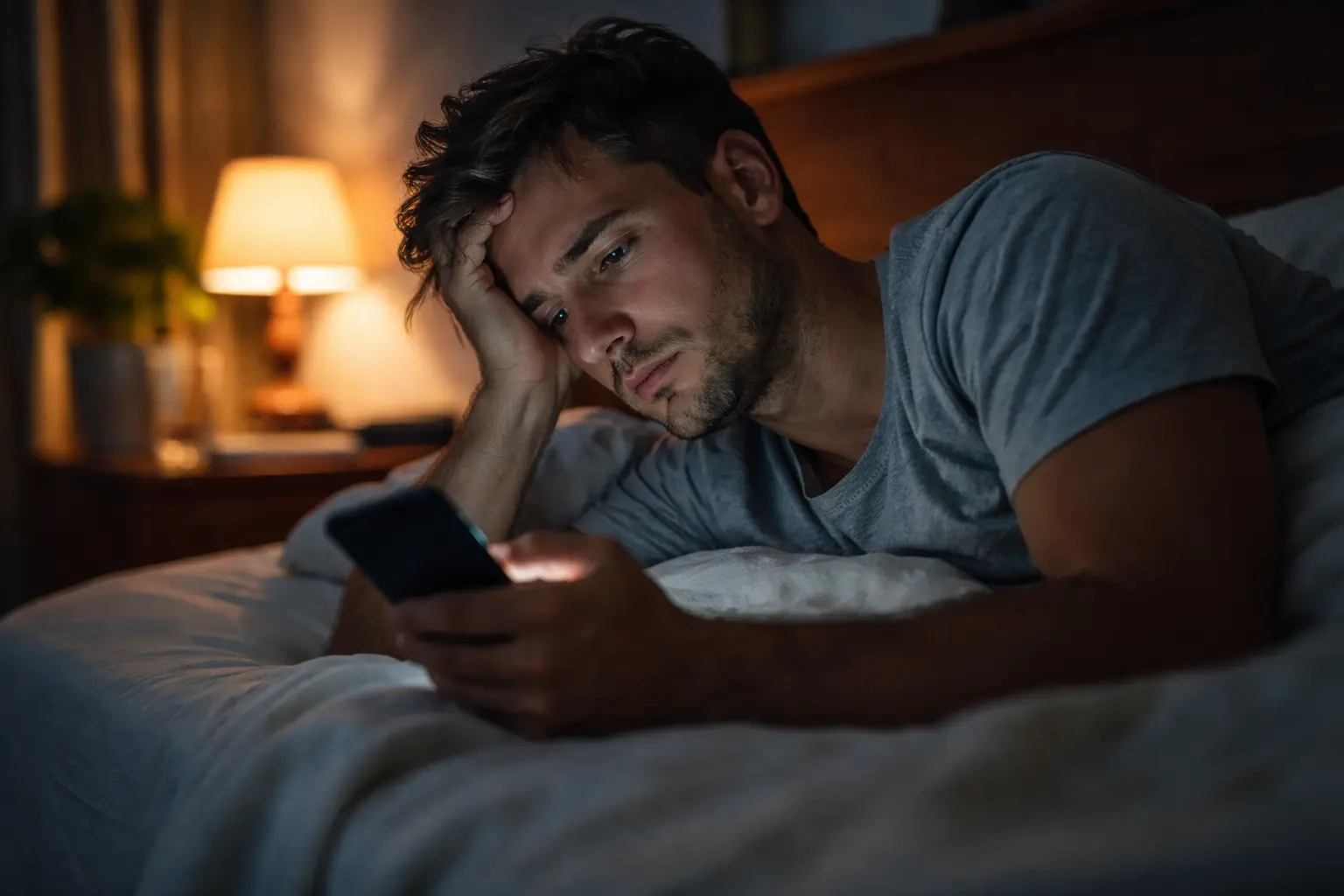
You wake up gasping for air at 3 AM, your heart pounding, wondering what just happened, and sleep apnea symptoms are stealing your nights and leaving you exhausted every single day.
Understanding sleep apnea symptoms
Sleep apnea disrupts your breathing during sleep, causing repeated pauses that can last from a few seconds to over a minute. When your airway collapses, oxygen levels drop significantly, triggering your body to partially wake and restart breathing. The most recognizable sign is loud snoring that often startles both you and your sleep partner. Beyond snoring, many people experience gasping or choking sensations during the night, though they may not remember these episodes. Morning headaches are common because your brain has been working overtime to compensate for oxygen drops. Excessive daytime sleepiness follows naturally, leaving you struggling through afternoon meetings or fighting to stay alert while driving. Some seniors report memory problems, mood changes, or difficulty concentrating. A 72-year-old retired teacher might notice she falls asleep during her favorite TV shows by 8 PM, then wakes multiple times throughout the night, never feeling truly rested despite spending nine hours in bed.
Impacts on aging and sleep quality
As we age, our bodies undergo changes that make sleep apnea more likely. Muscle tone naturally decreases with advancing years, and the muscles supporting your airway become less firm and more prone to collapse during sleep. Weight distribution shifts, often accumulating around the neck and throat, which narrows the airway passage. Existing health conditions like hypertension, heart disease, and diabetes become more common in older adults, and sleep apnea can significantly worsen these conditions. The relationship works both ways: untreated sleep apnea strains your cardiovascular system, while conditions like heart disease increase your risk of developing sleep apnea. Sleep quality itself deteriorates because your sleep architecture is constantly disrupted. Instead of progressing smoothly through deep restorative sleep stages, you’re jolted awake repeatedly. This fragmentation prevents your body from completing full sleep cycles, leaving you without the deep sleep your aging brain and body desperately need for memory consolidation, tissue repair, and immune function restoration.
Biological mechanisms of sleep apnea
The mechanics of sleep apnea involve a specific sequence of events that repeats throughout the night. When you fall asleep, your throat muscles naturally relax. In people with sleep apnea, this relaxation is excessive. The soft tissue at the back of your throat, including the soft palate and tongue, collapses inward and blocks your airway completely. Your brain detects the oxygen drop and carbon dioxide rise, triggering a partial arousal that restores muscle tone and reopens your airway. You gasp or snort as breathing resumes, then drift back toward sleep, and the cycle repeats. This can happen dozens or even hundreds of times per night. Each interruption fragments your sleep and prevents you from reaching the deeper, more restorative sleep stages. Over time, this repeated stress on your cardiovascular system increases blood pressure, strains your heart, and elevates inflammation throughout your body. The constant micro-awakenings also impair your cognitive function and emotional regulation during waking hours.
- Consult a healthcare provider who can review your symptoms and medical history, then refer you for a sleep study to confirm sleep apnea diagnosis.
- Consider lifestyle changes such as weight loss through balanced nutrition and gentle exercise, positional therapy by sleeping on your side using a body pillow, and avoiding alcohol and sedatives that relax throat muscles.
- Explore treatment options like continuous positive airway pressure (CPAP) therapy that delivers gentle air pressure to keep your airway open, or dental appliances that reposition your jaw to prevent airway collapse.
🔬 Science-backed benefits in 2 minuteschoose where to begin:
Risk factors and potential complications
Several factors increase your likelihood of developing sleep apnea as you age. Obesity is a major risk factor because excess tissue around the neck narrows your airway. Smoking damages and inflames airway tissues, making collapse more likely. A family history of sleep apnea suggests genetic predisposition to airway anatomy or muscle control issues. Men are diagnosed more frequently than women, though women’s risk increases significantly after menopause. Certain anatomical features like a naturally narrow airway, enlarged tonsils, or a recessed chin contribute to collapse risk. Untreated sleep apnea carries serious consequences. The repeated oxygen drops and stress on your heart increase your risk of heart attack and stroke substantially. Some research suggests cognitive decline and memory problems accelerate in people with untreated sleep apnea. Daytime sleepiness significantly increases accident risk while driving or operating equipment. High blood pressure often develops or worsens, requiring additional medications. Some seniors develop irregular heartbeats or heart failure complications from the constant cardiovascular strain.
Management strategies and lifestyle modifications
Managing sleep apnea effectively combines multiple approaches tailored to your specific situation. Maintaining a healthy weight reduces pressure on your airway, and even modest weight loss of 10 percent can improve symptoms noticeably. Avoiding alcohol and sedative medications before bedtime is crucial because these substances relax throat muscles and worsen airway collapse. Sleeping on your side rather than your back prevents gravity from pulling your tongue backward into your airway. A body pillow or positional device can help maintain side-sleeping throughout the night. CPAP therapy remains the gold standard treatment, delivering pressurized air through a mask to keep your airway open. While adjustment takes time, most people adapt within weeks and report dramatic improvements in sleep quality and daytime alertness. Dental appliances offer an alternative for mild to moderate sleep apnea, repositioning your lower jaw forward to prevent airway collapse. Nasal strips or saline rinses can help if nasal congestion contributes to your symptoms. Regular follow-up appointments ensure your treatment remains effective and adjustments are made as needed.
Research and latest insights
Current sleep apnea research is expanding our understanding of this complex condition. Scientists are investigating genetic factors that predispose certain families to sleep apnea, hoping to identify people at highest risk earlier. Studies examine how sleep apnea affects brain health and cognitive aging, exploring whether early treatment might prevent memory decline. Researchers are developing innovative treatments beyond traditional CPAP, including implantable devices that stimulate throat muscles to prevent collapse, and new medications that might improve airway muscle tone. Emerging evidence highlights the importance of early diagnosis and treatment in preventing serious complications. Population studies show that seniors who receive prompt sleep apnea treatment have better cardiovascular outcomes and maintain cognitive function longer than untreated peers. Public health initiatives increasingly focus on raising awareness that sleep apnea is not simply a snoring problem but a serious medical condition requiring professional evaluation and management.
Sleep apnea symptoms in aging individuals deserve serious attention because this condition affects far more than just your sleep quality. Understanding how your airway collapses, recognizing the warning signs, and knowing your treatment options empowers you to take action. Effective management through lifestyle modifications, CPAP therapy, or other treatments can dramatically improve your sleep, restore your daytime energy, and protect your long-term health. The key is addressing sleep apnea promptly rather than accepting poor sleep as an inevitable part of aging.
Are sleep apnea symptoms different in older adults?
While the basic sleep apnea symptoms remain consistent across age groups, older adults often experience more severe consequences due to age-related changes in the body and increased prevalence of other health conditions. Seniors may have more fragmented sleep patterns and greater daytime impairment. The cardiovascular stress from untreated sleep apnea poses greater risk in older adults who already have heart disease or hypertension. It is essential to address sleep apnea promptly in seniors to prevent serious complications and maintain quality of life.
Can weight loss cure sleep apnea?
Weight loss can significantly alleviate sleep apnea symptoms, especially in cases where obesity contributes to airway obstruction by narrowing your throat. Some people experience complete resolution of sleep apnea with substantial weight loss. However, weight loss may not be a complete cure for everyone because other factors like jaw structure, muscle tone, and nasal anatomy also influence airway collapse. Additional treatments like CPAP therapy or oral appliances are often necessary even after weight loss to manage remaining symptoms effectively.
Others also read:
Disclaimer: This article is for informational purposes only and is not a substitute for professional medical advice. Always consult a healthcare professional for personal guidance.
This article has been prepared and reviewed by the GlobalHealthBeacon editorial team and is based on current medical research and published scientific literature available in 2026. It provides structured, evidence-based information to support informed health decisions.
