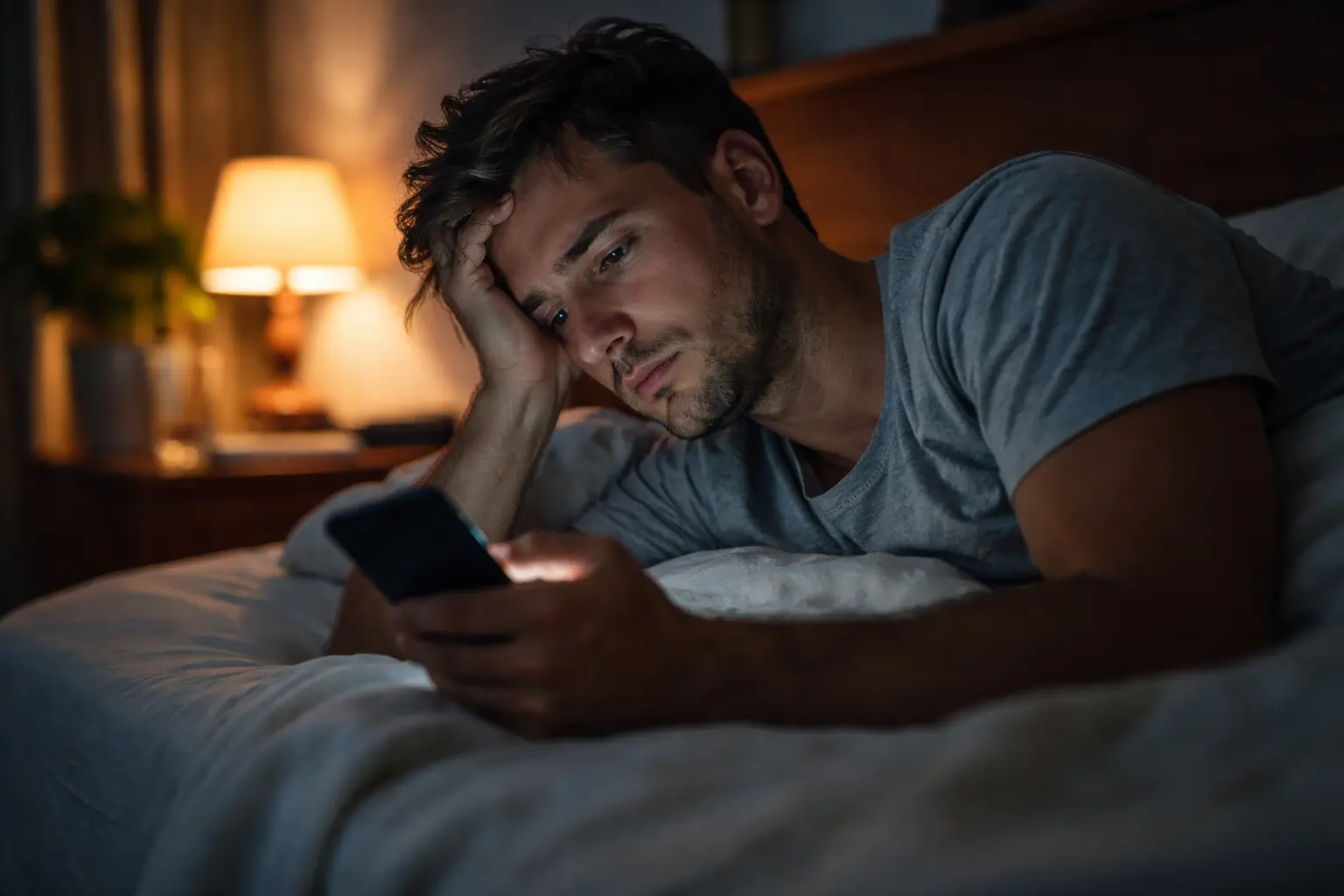
You’re waking up gasping for air, your partner is complaining about your snoring, and no matter how many hours you spend in bed, you feel absolutely wrecked the next day—this is what unmanaged sleep apnea symptoms feel like, and you’re not alone in this exhausting battle.
Exhaustion hits hard: unraveling the symptoms of sleep apnea
Picture this: you’ve slept a solid eight hours, but when you wake up, it feels like you’ve been hit by a truck. That’s the reality many seniors face with sleep apnea. The extreme exhaustion that follows a night of interrupted breathing goes far beyond normal tiredness. Your body is essentially suffocating multiple times throughout the night, jolting awake to gasp for air, then drifting back to sleep without ever reaching truly restorative rest. During the day, this manifests as brain fog so thick you can barely remember why you walked into a room, irritability that makes you snap at loved ones over small things, and a bone-deep fatigue that no amount of coffee can touch. The loud snoring that accompanies it isn’t just annoying to your sleep partner; it’s a sign your airway is collapsing. Many seniors describe feeling like they’re operating in slow motion, struggling to concentrate during conversations or while reading, and feeling emotionally drained by midday.
- Persistent daytime sleepiness that makes even simple tasks feel overwhelming
- Loud, disruptive snoring that disrupts your partner’s sleep and signals airway collapse
- Struggles with focus, memory lapses, and difficulty following conversations
The battle of breathing: understanding sleep apnea’s impact on seniors
Breathing interruptions during sleep are the core of sleep apnea, and they’re more dramatic than most people realize. Imagine your airway suddenly narrowing or closing completely while you’re asleep, cutting off oxygen flow. Your brain detects the drop in oxygen and jolts you awake, sometimes with a startling gasp or choking sensation. This can happen dozens or even hundreds of times per night. One senior described it as feeling like someone was holding a pillow over their face and then suddenly releasing it, over and over. These episodes are genuinely distressing, leaving you drenched in sweat, heart pounding, and disoriented. Because you’re constantly being pulled out of deep sleep to breathe, your body never gets the chance to complete full sleep cycles. You spend the night in a state of partial wakefulness, which explains why you wake up feeling like you haven’t slept at all. The fragmented sleep pattern creates a domino effect: poor sleep quality leads to daytime exhaustion, which affects everything from your mood to your ability to stay safe while driving or walking.
💬 Ready to feel better in 2 minutes?choose where to begin:
The silent struggle: silent symptoms that speak volumes
Not all sleep apnea symptoms announce themselves loudly. Some creep up so quietly that you might not connect them to your sleep at all. Morning headaches are one of the most common silent signals, caused by the repeated oxygen drops during the night putting strain on your body. You might wake up with a dull ache that fades after an hour or two, and you chalk it up to tension or age. Dry mouth is another sneaky sign, especially if you’re breathing through your mouth all night because your nose is obstructed. Some seniors find themselves making frequent bathroom trips at night, thinking it’s just a normal part of aging, when it could actually be a response to the stress your body experiences during apnea episodes. A 72-year-old woman realized her nightly bathroom visits, which she’d accepted as inevitable, actually decreased significantly once she started treatment. These subtle symptoms often go undiagnosed for years because they seem unrelated to sleep. But when you start noticing a pattern, these quiet signals become important clues that something deeper is happening.
Reclaiming rest: seeking solutions for improved sleep and health
The good news is that sleep apnea is highly treatable, and many seniors experience life-changing improvements once they find the right approach. CPAP therapy, which uses gentle air pressure to keep your airway open while you sleep, is the most common and effective treatment. It sounds intimidating at first, but many seniors report that after an adjustment period of a few weeks, they can’t imagine sleeping without it. Beyond CPAP, lifestyle changes like losing even five to ten percent of your body weight, sleeping on your side instead of your back, and improving sleep hygiene can make a real difference. Some seniors reduce their apnea episodes significantly by simply elevating the head of their bed or avoiding alcohol before bedtime. The key is working with your doctor to find what works for your specific situation. One 68-year-old man combined CPAP therapy with weight loss and positional changes, and within three months, he was sleeping through the night, waking refreshed, and feeling like himself again. The transformation isn’t just about better sleep; it’s about reclaiming your energy, your mental clarity, and your quality of life.
Sleep apnea symptoms in seniors range from obvious signs like extreme daytime exhaustion and loud snoring to quieter signals like morning headaches and frequent nighttime bathroom trips. The breathing interruptions that define this condition fragment your sleep so severely that you wake exhausted no matter how long you’ve been in bed. The good news is that recognizing these symptoms early and exploring treatment options, whether through CPAP therapy or lifestyle changes, can transform your nights and restore your energy. You don’t have to accept constant fatigue as an inevitable part of aging.
How is sleep apnea diagnosed?
Sleep apnea is commonly diagnosed through a sleep study, which monitors breathing patterns, heart rate, and other indicators while the individual sleeps. Physicians use the data from the study to assess the presence and severity of sleep apnea.
Can untreated sleep apnea lead to other health issues?
Untreated sleep apnea can increase the risk of developing several health complications, such as high blood pressure, heart disease, stroke, and diabetes. Seeking timely treatment for sleep apnea is crucial in preventing these associated conditions.
Others also read:
Disclaimer: This article is for informational purposes only and is not a substitute for professional medical advice. Always consult a healthcare professional for personal guidance.
This article presents an experience-based perspective and has been reviewed by the GlobalHealthBeacon editorial team in 2026. It provides structured, evidence-based information to support informed health decisions.
