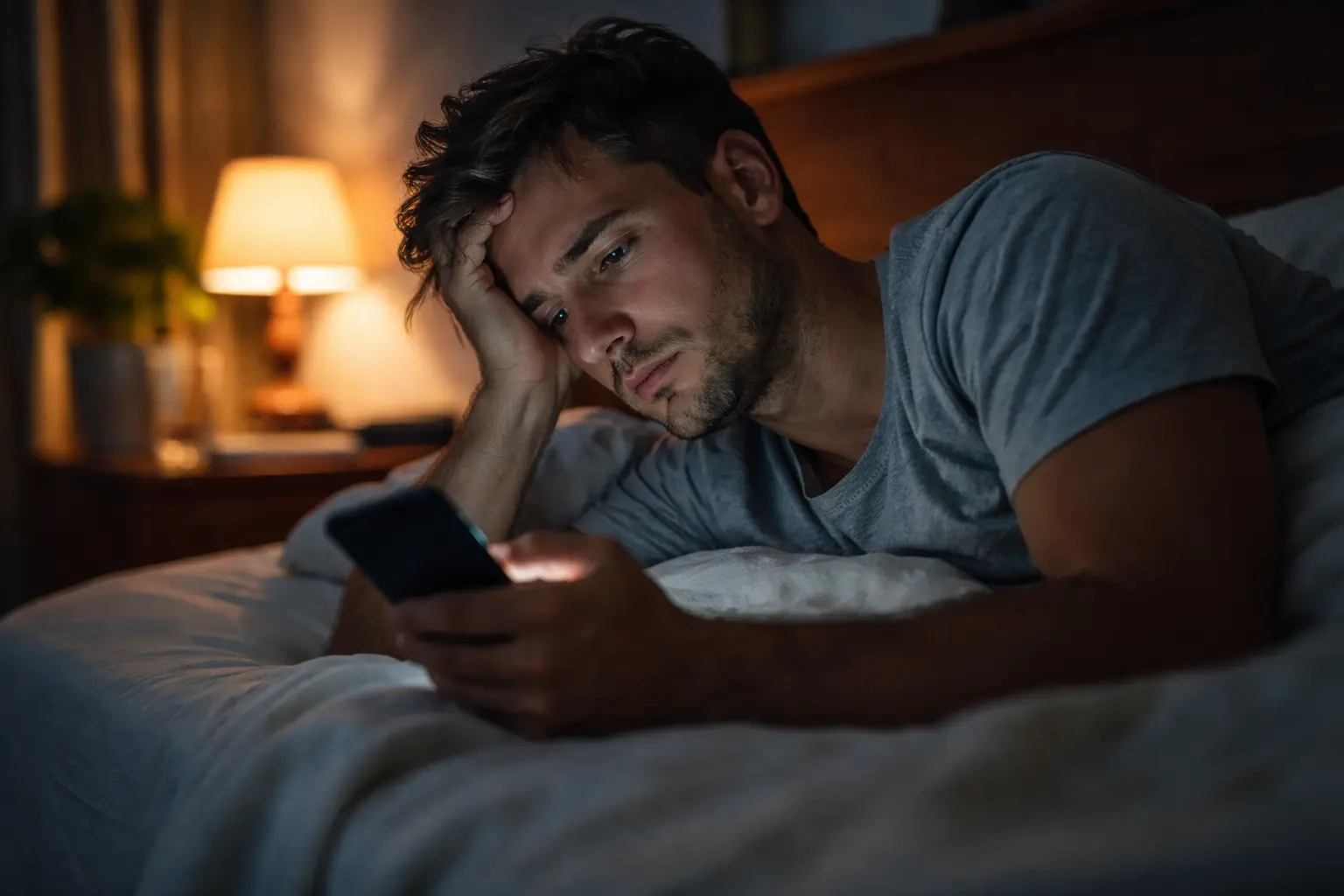
You wake up at 3 AM gasping like you’ve been underwater, your heart pounding, drenched in sweat, and by morning you can barely remember your own name because the exhaustion is so real and so relentless that sleep apnea symptoms have basically hijacked your entire life.
Recognizing the signs
The first clue often sneaks up on you. Maybe your partner mentions your snoring has gotten louder, or you notice yourself nodding off during afternoon meetings despite sleeping eight hours. You might wake with a dry throat so parched it feels like sandpaper, or experience morning headaches that linger for hours. Some women describe a sensation of gasping awake, their body jerking as if startled from a nightmare they can’t quite remember. Others notice they’re irritable without reason, snapping at loved ones over small things. You might find yourself struggling to focus on conversations, forgetting why you walked into a room, or feeling a heaviness that no amount of coffee can lift. These aren’t character flaws or signs you’re lazy. They’re signals your body is sending, and recognizing them is the first step toward understanding what’s really happening during your sleep.
- Loud snoring, often interrupted by pauses in breathing
- Waking up abruptly with shortness of breath
- Morning dry mouth or sore throat
The impact on daily life
Living with undiagnosed or untreated sleep apnea feels like running on a battery that never fully charges. You wake up tired, stay tired throughout the day, and collapse into bed exhausted, only to repeat the cycle. At work, you struggle to concentrate during important presentations or meetings. At home, you’re too drained to engage fully with family, missing moments with your kids or partner because you’re fighting to keep your eyes open. Social plans feel overwhelming because the thought of staying awake and present feels impossible. Some women describe it as living in a fog, where everything feels muted and difficult. The emotional toll is real too. You might feel frustrated with yourself, wondering why you can’t just push through like you used to. You might feel guilty for canceling plans or not having energy for the people you love. This constant fatigue doesn’t just affect you physically; it seeps into your confidence, your relationships, and your sense of self.
💬 Ready to feel better in 2 minutes?choose where to begin:
Seeking diagnosis and treatment
The path to diagnosis often begins with a conversation with your healthcare provider about your symptoms. They might recommend a sleep study, which can feel intimidating at first. Some studies happen in a sleep clinic where you spend a night in a monitored environment, while others use home testing kits you can use in your own bed. During testing, sensors track your breathing patterns, oxygen levels, and sleep stages to confirm whether sleep apnea is present and how severe it is. Once diagnosed, treatment options become available. CPAP therapy, the most common treatment, uses a machine that gently delivers pressurized air through a mask while you sleep, keeping your airway open. Oral appliances offer another option, positioning your jaw to prevent airway collapse. Some women find success with lifestyle modifications like sleeping on their side, losing weight if needed, or avoiding alcohol before bed. Your healthcare provider will work with you to find the approach that fits your life and preferences best. The key is taking that first step to get evaluated, because living with untreated sleep apnea carries real health risks over time.
Embracing support and self-care
One of the most powerful things you can do is connect with other women experiencing the same thing. Support groups, whether online or in-person, remind you that you’re not alone and that your struggles are valid. Hearing how others manage their condition, troubleshoot their treatment, and reclaim their energy can be incredibly encouraging. Self-care becomes essential too. Good sleep hygiene matters: keeping your bedroom cool and dark, establishing a consistent bedtime routine, and avoiding screens before sleep all help. Regular exercise boosts sleep quality and mood. Eating well and managing stress through activities like yoga, meditation, or journaling can ease symptoms. Some women find it helpful to track their energy levels and sleep patterns to identify what helps most. Be patient with yourself as you adjust to treatment or lifestyle changes. Recovery isn’t instant, and that’s okay. Celebrate small wins, like making it through a full day without an afternoon crash or waking up feeling slightly more refreshed. You deserve to feel good again, and with the right support and commitment to self-care, many women find their energy, focus, and joy returning.
Understanding the symptoms and challenges of sleep apnea is vital for women navigating this condition daily. From recognizing the signs to seeking diagnosis and embracing self-care, this article sheds light on the impact of sleep apnea on women’s lives.
How is sleep apnea diagnosed?
Sleep apnea is typically diagnosed through a sleep study conducted in a sleep clinic or through home sleep testing. Healthcare providers evaluate factors like breathing patterns, oxygen levels, and other physiological markers during sleep to determine the presence of sleep apnea.
What are some lifestyle changes that can help manage sleep apnea?
Maintaining a healthy weight, avoiding alcohol and sedatives before bedtime, sleeping on your side, and creating a consistent sleep schedule can all contribute to managing sleep apnea symptoms. These lifestyle changes can help improve your sleep quality and overall well-being.
Others also read:
Disclaimer: This article is for informational purposes only and is not a substitute for professional medical advice. Always consult a healthcare professional for personal guidance.
This article presents an experience-based perspective and has been reviewed by the GlobalHealthBeacon editorial team in 2026. It provides structured, evidence-based information to support informed health decisions.
