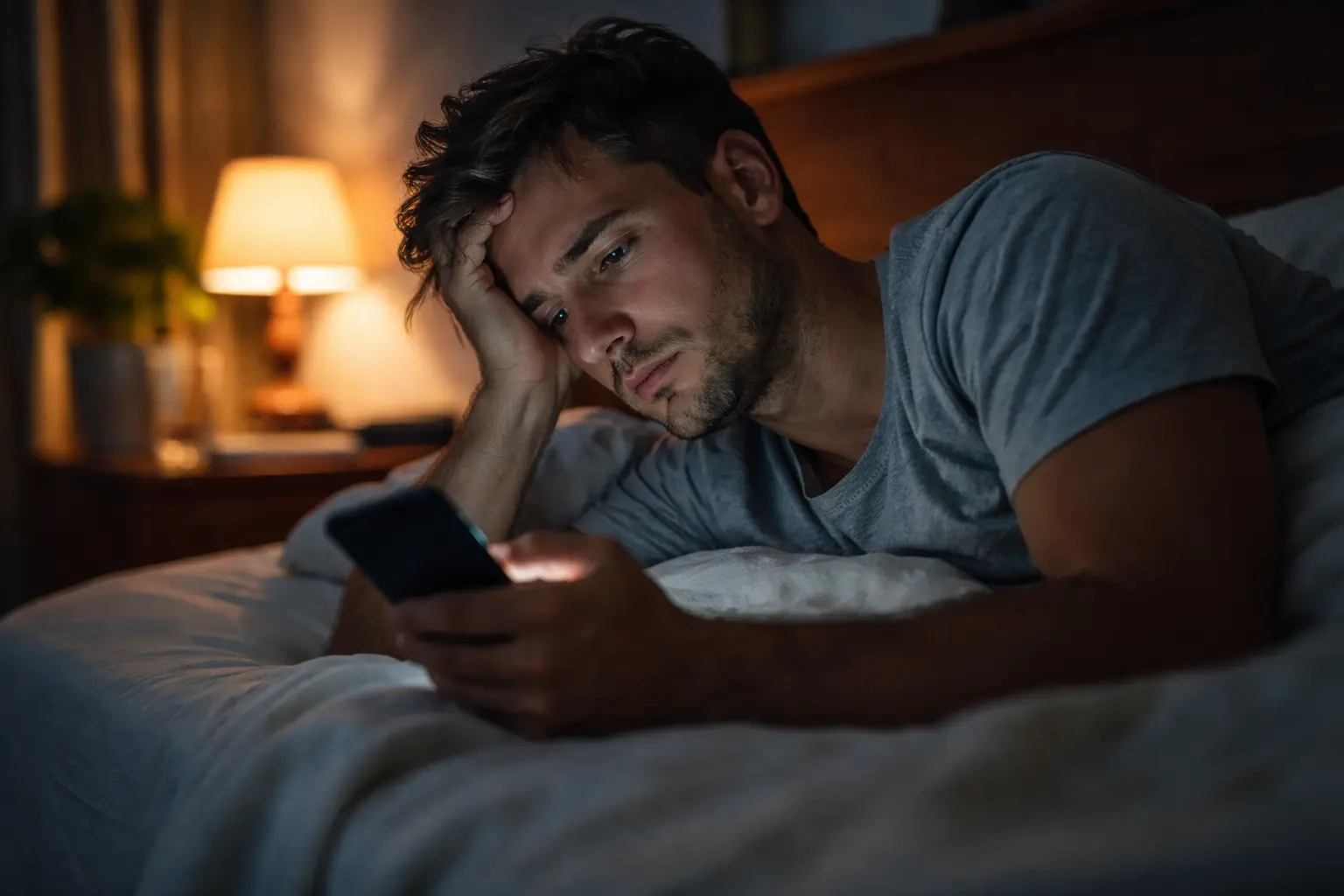
You’re waking up gasping for air at 3 AM, your partner is complaining about your snoring, and you’re dragging through work like a zombie – these are classic sleep apnea symptoms that millions of young adults are dealing with right now, and the good news is you don’t have to suffer through another restless night.
Understanding sleep apnea symptoms
Sleep apnea often sneaks up on young adults who assume their fatigue is just from work stress or poor sleep habits. The reality is more serious. Loud snoring that disrupts your partner’s sleep, sudden gasping or choking sounds during the night, and waking up with a dry throat are red flags. Many young adults experience morning headaches that feel like a hangover without the fun part, plus that crushing daytime drowsiness that makes afternoon meetings feel impossible. You might notice yourself nodding off during lectures, struggling to focus at work, or feeling irritable for no clear reason. Some people describe it as feeling like they’re running on empty all day. These symptoms often develop gradually, so you might not connect them to a sleep disorder at first. Pay attention if you’re waking up multiple times per night, even if you don’t remember it consciously. Your body knows something is wrong.
- Snoring loudly during sleep
- Gasping for air while asleep
- Experiencing morning headaches
- Feeling excessively tired during the day
Effectively managing sleep apnea
Managing sleep apnea starts with honest lifestyle changes that actually stick. Regular exercise, even 30 minutes of brisk walking most days, improves airway function and helps you maintain a healthy weight, which directly reduces sleep apnea severity. Cut back on alcohol, especially in the evening, because it relaxes your throat muscles and makes breathing interruptions worse. If you smoke, quitting is one of the most impactful changes you can make. Sleep position matters too: try sleeping on your side instead of your back, which can reduce airway collapse. Establish a consistent sleep schedule by going to bed and waking up at the same time daily, even on weekends. Avoid heavy meals close to bedtime and keep your bedroom cool and dark. Some young adults find that nasal strips or saline rinses help clear airways. Think of these changes as building blocks, not quick fixes. Start with one or two habits and layer in others as they become routine. Track your progress by noting how you feel during the day, your energy levels, and whether your snoring improves.
📘 Fix your day in under 2 minuteschoose where to begin:
Importance of seeking medical advice
Getting a professional diagnosis is non-negotiable if you suspect sleep apnea. A sleep specialist can order a sleep study, either at a lab or using a home testing device, to measure how many times per hour your breathing stops. This data determines your apnea severity and guides treatment. CPAP machines are the gold standard treatment, delivering pressurized air through a mask to keep your airway open throughout the night. They take adjustment, but most users report feeling dramatically better within days once they find the right mask fit and pressure settings. If CPAP doesn’t work for you, oral appliances that reposition your jaw are another option. Some young adults respond well to positional therapy devices or other alternatives. Your doctor might also screen for related issues like obesity, thyroid problems, or nasal obstruction that could be contributing. Don’t skip this step thinking you can manage it alone. Sleep apnea affects your heart, brain, and metabolism in ways you can’t feel yet. Early intervention prevents serious complications down the road.
Exploring alternative therapies
While medical treatment is essential, complementary approaches can enhance your results. Positional therapy, which uses devices or techniques to keep you sleeping on your side, works surprisingly well for mild to moderate apnea. Some people strengthen their throat muscles through oropharyngeal exercises or by playing wind instruments like the didgeridoo or saxophone, which requires controlled breathing and throat engagement. Acupuncture has shown promise in some studies for reducing apnea severity, though results vary. Nasal saline irrigation can help if nasal congestion is part of your problem. Weight loss through diet and exercise, if applicable, often reduces symptoms significantly. Yoga and breathing exercises improve overall respiratory function and reduce stress, which can worsen sleep apnea. Think of these as supporting players to your main treatment plan, not replacements for it. A young adult might combine CPAP therapy with regular exercise and positional therapy for the best outcome. Talk to your doctor before starting any alternative approach to ensure it complements your primary treatment safely.
Support and education for sleep apnea
You’re not alone in this, and connecting with others who get it makes a real difference. Online support groups and local sleep apnea organizations provide practical tips, product recommendations, and emotional encouragement from people living the same reality. You’ll learn which CPAP mask brands work best, how to travel with your device, and how to explain your condition to partners or roommates. Educational resources help you understand the science behind your diagnosis, which reduces anxiety and builds confidence in your treatment plan. Some groups host webinars with sleep specialists who answer real questions from real people. Telling your partner, family, or close friends about your condition helps them understand why you need to prioritize sleep and use your equipment consistently. Many young adults find that peer support transforms their mindset from feeling broken or embarrassed to feeling empowered and proactive. Whether you join an online community, attend local meetings, or find a sleep apnea buddy, having people in your corner makes the adjustment period smoother and keeps you motivated when treatment feels challenging.
Recognize sleep apnea symptoms, adopt healthy habits, consult healthcare professionals for personalized advice, explore complementary therapies, and seek support to improve your sleep quality naturally.
Can sleep apnea be cured?
While sleep apnea cannot be cured, it can be effectively managed through lifestyle changes, medical interventions, and supportive therapies to enhance quality of sleep and overall well-being.
Is snoring always a sign of sleep apnea?
Although snoring can be a symptom of sleep apnea, not all individuals who snore have the condition. Other factors such as daytime fatigue, gasping for air during sleep, and morning headaches are also indicative of sleep apnea.
Others also read:
Disclaimer: This article is for informational purposes only and is not a substitute for professional medical advice. Always consult a healthcare professional for personal guidance.
This guide has been prepared and reviewed by the GlobalHealthBeacon editorial team and reflects current medical research as of 2026. It provides structured, evidence-based information to support informed health decisions.
