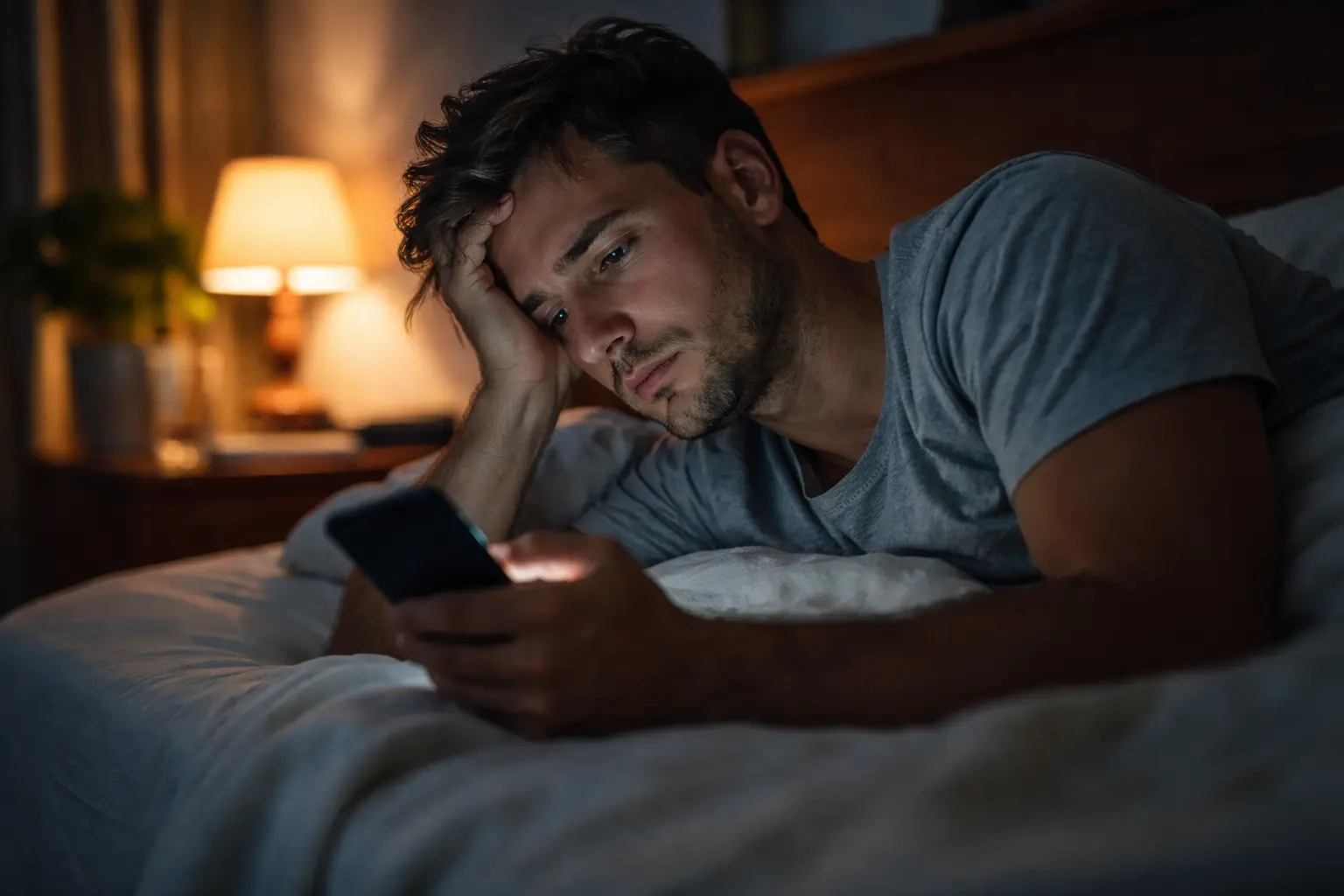
You wake up gasping for air at 3 AM, your heart pounding, only to realize you’ve stopped breathing again – and this happens dozens of times every single night without you even knowing it, which is exactly what sleep apnea symptoms do to your body and your sanity.
Understanding sleep apnea symptoms
Sleep apnea symptoms represent a complex disruption of the sleep cycle that goes far deeper than simple snoring. When someone experiences sleep apnea, their breathing literally stops and starts repeatedly throughout the night, sometimes dozens or even hundreds of times per hour. Imagine trying to sleep while your body is constantly jolted awake by the sensation of suffocation. These breathing pauses, called apneas, can last anywhere from a few seconds to over a minute. The body responds to these oxygen drops by triggering micro-arousals, brief awakenings so fleeting you may not consciously remember them in the morning. Yet they fragment your sleep architecture, preventing you from reaching the deep, restorative stages your brain and body desperately need. Common manifestations include loud snoring that echoes through the bedroom, sudden gasping or choking sounds as the airway reopens, and morning headaches that feel like a vice grip around your temples. Many seniors also report excessive daytime sleepiness, difficulty concentrating during the day, and mood changes like irritability or depression.
Mechanisms of sleep apnea
Understanding how sleep apnea actually happens in your body helps explain why it feels so disruptive. Obstructive sleep apnea, the most common form affecting roughly 80 percent of diagnosed cases, occurs when the muscles in your throat relax excessively during sleep. Picture your airway as a flexible tube. When those surrounding muscles lose their tone, the tube collapses, blocking airflow completely. Your brain detects the oxygen drop and sends an emergency signal to wake you up just enough to gasp and restore breathing. Central sleep apnea works differently. Here, the brain itself fails to send proper signals to the respiratory muscles, so they simply do not contract as they should. It is like your brain forgets to tell your lungs to breathe. Complex sleep apnea combines elements of both types, making it particularly challenging to treat. Age-related changes in seniors amplify these risks. Muscle elasticity decreases, fat deposits can accumulate around the neck, and neurological signaling becomes less efficient. This is why sleep apnea becomes increasingly prevalent after age 60.
Diagnosis and treatment
Diagnosing sleep apnea requires objective measurement because symptoms alone cannot reliably confirm the condition. A sleep study, either conducted in a specialized laboratory or increasingly at home with portable monitoring devices, records your breathing patterns, oxygen levels, heart rate, and brain activity throughout the night. The results generate an Apnea-Hypopnea Index, or AHI score, which counts how many breathing disruptions occur per hour. An AHI of 5 to 15 indicates mild sleep apnea, 15 to 30 is moderate, and above 30 is severe. Treatment varies dramatically based on severity and individual circumstances. Mild cases sometimes respond to positional therapy, weight management, or nasal strips. Moderate to severe cases typically require CPAP therapy, a machine that delivers pressurized air through a mask to keep your airway open throughout the night. Some patients benefit from oral appliances that reposition the lower jaw forward. Surgical options exist for specific anatomical problems, though they are reserved for cases where other treatments have failed or are not tolerated.
- Consult a healthcare provider for evaluation if you suspect sleep apnea, describing your symptoms in detail including snoring patterns, witnessed breathing pauses, and daytime fatigue.
- Follow recommendations for sleep studies to determine the severity of the condition and receive an accurate AHI score that guides treatment decisions.
- Explore treatment options tailored to your specific needs and health status, which may include lifestyle modifications, CPAP therapy, oral appliances, or surgical interventions depending on the type and severity of your sleep apnea.
🔬 Science-backed benefits in 2 minuteschoose where to begin:
Complications of untreated sleep apnea
The consequences of leaving sleep apnea untreated extend far beyond poor sleep quality. Each time your oxygen levels drop during an apnea event, your body experiences physiological stress. Blood pressure spikes, your heart works harder, and inflammatory chemicals flood your system. Over months and years, this repeated stress takes a cumulative toll. Research consistently links untreated sleep apnea to hypertension, which affects roughly 80 percent of people with moderate to severe sleep apnea. The condition significantly increases the risk of heart attack and stroke, with some studies suggesting a three to four fold elevation in cardiovascular events. Atrial fibrillation, an irregular heart rhythm, occurs more frequently in people with sleep apnea. Cognitive decline and memory problems emerge as chronic sleep fragmentation prevents your brain from consolidating memories and clearing metabolic waste during deep sleep stages. Metabolic dysfunction can develop, increasing diabetes risk. The combination of poor sleep and repeated oxygen drops also elevates accident risk during driving or operating machinery. For seniors already managing other health conditions, untreated sleep apnea becomes a compounding factor that destabilizes overall health.
Lifestyle modifications for improved sleep
While lifestyle changes alone rarely cure sleep apnea, they can meaningfully reduce symptom severity and improve overall sleep quality. Weight management stands as one of the most impactful modifications. Even a 10 percent reduction in body weight can decrease AHI scores significantly, particularly in mild to moderate cases. This happens because excess weight, especially around the neck and throat, narrows the airway. Positional therapy works for some people, particularly those whose apnea worsens when sleeping on their back. Side-sleeping reduces the gravitational collapse of throat tissues. Special pillows or positional devices can help maintain side-sleeping throughout the night. Avoiding alcohol and sedative medications in the hours before bed is crucial, as these substances relax throat muscles and worsen airway collapse. Nasal congestion should be addressed through saline rinses or decongestants, since a blocked nose forces you to breathe through your mouth, destabilizing airway pressure. Humidifying your bedroom air can ease nasal passages. Regular physical activity, even moderate walking, improves muscle tone and sleep quality. However, exercise should occur several hours before bedtime, not immediately before sleep.
Research and long-term outlook
The field of sleep medicine continues to evolve rapidly, with researchers working to refine diagnostic methods and develop more effective, tolerable treatments. Emerging technologies include improved CPAP devices with quieter operation, better mask designs that reduce skin irritation, and adaptive pressure systems that adjust automatically to your breathing patterns. Positional devices and wearable sensors are becoming more sophisticated. Pharmaceutical research explores medications that might enhance respiratory drive or prevent airway collapse, though no drug has yet proven effective enough to replace mechanical interventions. Surgical techniques are being refined for patients with specific anatomical abnormalities. Importantly, early detection and appropriate management have transformed the outlook for seniors with sleep apnea. With modern treatment options, most people can achieve substantial improvement in sleep quality, daytime functioning, and cardiovascular health. The key is recognizing symptoms early and working with healthcare providers to find a treatment approach that fits your lifestyle and preferences.
Sleep apnea symptoms like pauses in breathing during sleep can disrupt rest and lead to fatigue, but understanding the mechanisms and seeking timely diagnosis are crucial for effective management. With appropriate treatment tailored to your specific situation, seniors can significantly improve sleep quality and reduce serious health risks.
Can sleep apnea be cured?
While sleep apnea cannot be cured permanently, it can be effectively managed with lifestyle changes, CPAP therapy, oral appliances, or surgical interventions based on the severity and type of the condition. Some people experience improvement with weight loss or positional therapy, while others require ongoing mechanical support.
Is snoring always a sign of sleep apnea?
Snoring can be a symptom of sleep apnea, but not all individuals who snore have the condition. Many people snore without experiencing breathing pauses. However, when snoring is accompanied by witnessed breathing pauses, gasping for air, daytime fatigue, or morning headaches, sleep apnea becomes more likely and warrants professional evaluation.
Others also read:
Disclaimer: This article is for informational purposes only and is not a substitute for professional medical advice. Always consult a healthcare professional for personal guidance.
This article has been prepared and reviewed by the GlobalHealthBeacon editorial team and is based on current medical research and published scientific literature available in 2026. It provides structured, evidence-based information to support informed health decisions.
