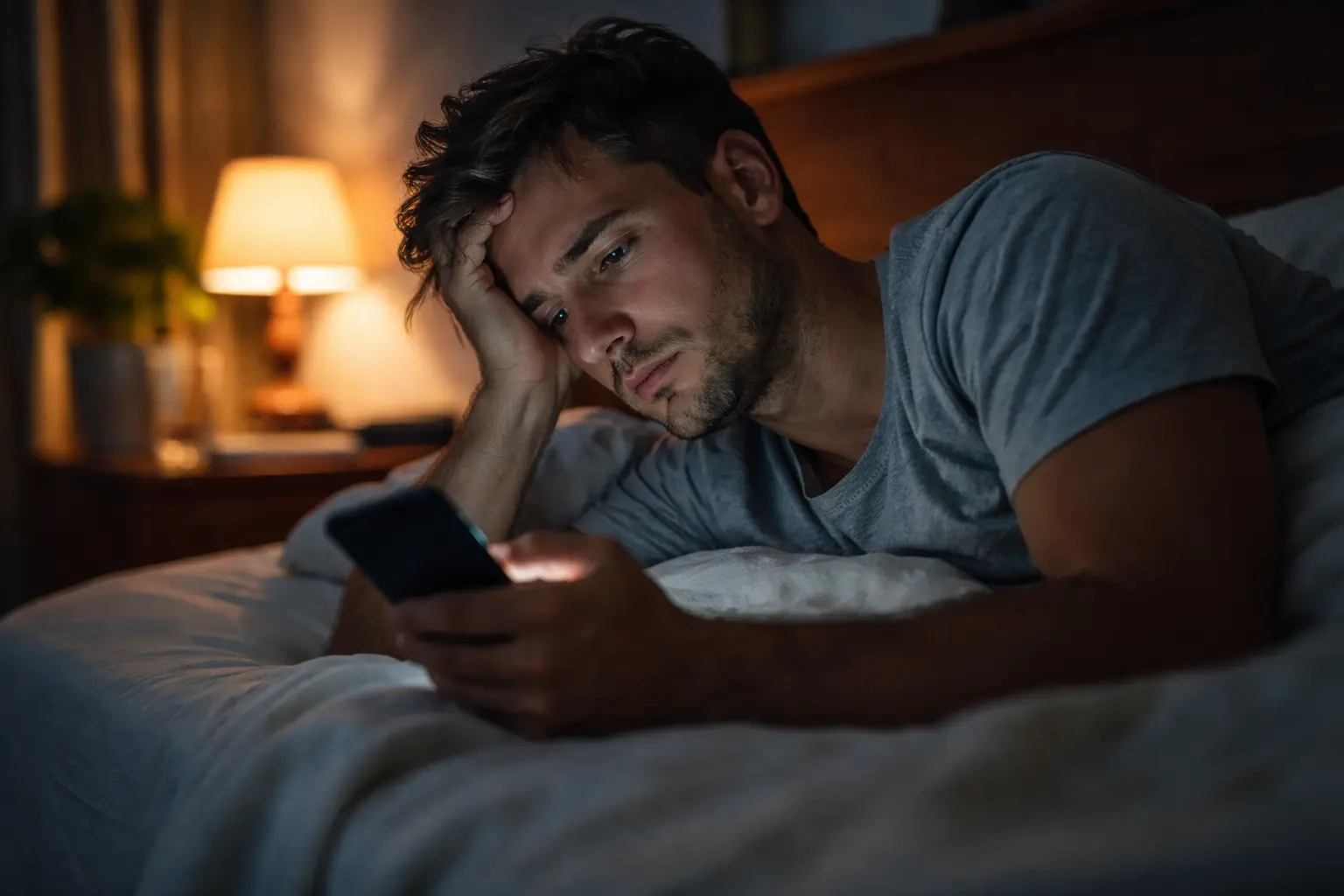
You wake up gasping for air at 3 AM, your heart pounding like you’ve just run a marathon, and you realize you’ve stopped breathing again, which is exactly what sleep apnea symptoms feel like when they’re stealing your nights and your peace of mind.
Unmasking the signs of sleep apnea
Recognizing sleep apnea symptoms is the first step toward reclaiming your nights. Think about your sleep pattern. Do you find yourself jolting awake multiple times, gasping and disoriented? Your partner might mention that you snore so loudly it wakes them up, or that you seem to stop breathing for several seconds before suddenly gasping. During the day, you might feel like you’re moving through fog, struggling to stay alert during conversations or even while driving. Morning headaches that linger for hours are another telltale sign many seniors overlook. These symptoms aren’t just annoying inconveniences; they’re your body’s way of signaling that something needs attention. Some people describe it as feeling like they never actually slept, even after eight hours in bed.
- Loud and persistent snoring that disrupts sleep
- Pauses in breathing during sleep followed by gasping
- Excessive daytime sleepiness and difficulty concentrating
Understanding the impact of untreated sleep apnea
Ignoring sleep apnea symptoms can quietly damage your health in ways you might not immediately connect to poor sleep. When your breathing stops repeatedly throughout the night, your blood oxygen levels drop, forcing your heart to work harder. Over months and years, this constant strain can lead to high blood pressure, irregular heartbeat, and increased risk of heart attack or stroke. Imagine your cardiovascular system like an engine running constantly in overdrive; eventually, something gives. Beyond heart health, untreated sleep apnea affects your mental sharpness, mood stability, and even your ability to maintain balance, which is particularly concerning for seniors at risk of falls. Many people don’t realize that their daytime irritability, memory problems, or depression might stem from fragmented sleep. The longer you wait to address it, the more these health consequences compound, affecting not just your nights but your entire quality of life.
💬 Ready to feel better in 2 minutes?choose where to begin:
The truth about sleep apnea treatments
Here’s what many seniors don’t realize: CPAP machines aren’t your only option, despite what you might have heard from friends or read online. Yes, CPAP therapy works well for many people, but if you’ve tried it and felt uncomfortable or claustrophobic, there are genuine alternatives worth exploring. Oral appliances that gently reposition your jaw can be surprisingly effective and far less intrusive. Positional therapy, where you learn to sleep on your side rather than your back, helps some people significantly. Lifestyle adjustments like losing weight, reducing alcohol consumption, or treating nasal congestion can improve sleep apnea symptoms substantially. In some cases, surgical options exist depending on the underlying cause. The key is working with a sleep specialist who takes time to understand your specific situation, preferences, and medical history. What works for your neighbor might not be right for you, and that’s perfectly normal.
Empowering seniors to take control
Living with untreated sleep apnea symptoms can feel isolating and frightening, but you’re not alone in this struggle, and more importantly, you have options. The first step isn’t complicated: talk to your doctor about your sleep quality and the symptoms you’ve noticed. A sleep study might be recommended, which simply means spending a night being monitored while you sleep, either at a clinic or at home with portable equipment. Once you have answers, you can make informed decisions about treatment that actually fits your life. Many seniors find that addressing sleep apnea transforms not just their nights but their entire outlook. They have more energy, better focus, and feel more like themselves again. Don’t let myths or past negative experiences prevent you from getting help. Your sleep health directly impacts your independence, safety, and ability to enjoy your golden years fully.
Sleep apnea symptoms in seniors are often dismissed as normal aging, but they’re not. Understanding what to watch for, recognizing how untreated sleep apnea affects your health, and knowing that effective treatment options exist beyond the CPAP machine can empower you to take action. Your sleep quality matters, and addressing sleep apnea symptoms now protects your health and independence for years to come.
Can untreated sleep apnea lead to serious health issues?
Yes, untreated sleep apnea symptoms can result in high blood pressure, heart problems, stroke risk, and other health complications. Seeking treatment is essential to avoid these risks and protect your long-term health.
Are there alternative treatments for sleep apnea besides CPAP machines?
Yes, besides CPAP machines, alternative treatments like oral appliances, positional therapy, lifestyle changes, and surgery are available depending on your individual needs, preferences, and the underlying cause of your sleep apnea symptoms.
Others also read:
Disclaimer: This article is for informational purposes only and is not a substitute for professional medical advice. Always consult a healthcare professional for personal guidance.
This article presents an experience-based perspective and has been reviewed by the GlobalHealthBeacon editorial team in 2026. It provides structured, evidence-based information to support informed health decisions.
