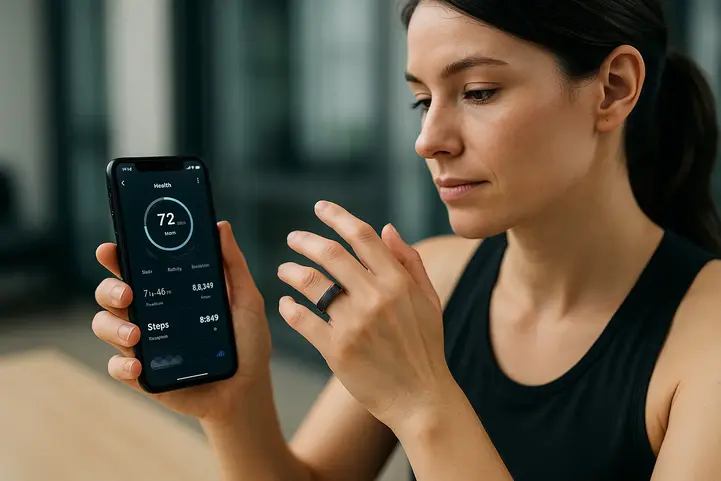
You’re tired of wondering if that smart ring on your finger is actually telling you the truth about your heart, and you’re not alone because smart rings ppg accuracy has become the make-or-break factor between getting real health insights and just wearing an expensive piece of jewelry.
Understanding PPG technology
PPG technology works through a surprisingly elegant process that sits right on your finger. The smart ring emits light, typically red or infrared wavelengths, into the skin tissue below. As blood flows through your capillaries, it absorbs some of this light, while the rest bounces back to sensors in the ring. This reflected light tells the device how much blood is moving through your finger at any given moment. For seniors, this matters because your cardiovascular system is constantly working, and having a non-invasive way to monitor it throughout your day, while you sleep, or during activities, provides a continuous picture of your heart health that you simply cannot get from occasional doctor visits. The beauty of PPG is that it requires no needles, no lab visits, and no discomfort. It just sits there, quietly measuring your pulse, oxygen saturation, and even stress responses, giving you data that can help you and your doctor make better decisions about your health.
- Light sensors in smart rings emit light into the skin, and the reflected light provides information on blood volume changes.
- PPG signals can detect heart rate, blood oxygen levels, and even stress levels, offering a holistic view of your well-being.
- Smart rings with accurate PPG sensors can help you monitor your fitness levels, detect abnormalities, and track your progress over time.
Interpreting PPG data
Once your smart ring starts collecting data, you are looking at numbers and graphs that might feel overwhelming at first. Your resting heart rate, for instance, should typically fall between 60 and 100 beats per minute for most adults, though seniors often see slightly different baselines depending on fitness level and medications. Look for your personal baseline, not just the textbook numbers. If your resting heart rate is usually 68 beats per minute and suddenly jumps to 85 without any obvious reason like exercise or stress, that shift tells a story. Similarly, blood oxygen levels should hover around 95 to 100 percent for most people, and dips below 92 percent warrant attention. Stress levels tracked through heart rate variability show how your nervous system is responding to your day. A senior who notices their stress levels spike every afternoon at 3 PM might realize their afternoon coffee is affecting them differently than it did years ago. The real power comes from spotting patterns over weeks and months, not obsessing over single readings. Keep a simple log of unusual patterns and share these observations with your doctor during checkups.
📘 Fix your day in under 2 minuteschoose where to begin:
Factors affecting PPG accuracy
Not all PPG readings are created equal, and understanding what throws them off helps you get better data. Skin tone matters more than manufacturers initially admitted. Darker skin tones can absorb more light, sometimes making readings less reliable because the light bounces back differently. Ambient light is another culprit, especially if you wear your ring near bright windows or under intense indoor lighting. Movement affects accuracy too, which is why readings taken while you are sitting quietly are more trustworthy than those captured while you are walking or exercising. The fit of your ring is absolutely critical for seniors. A ring that is too loose will slip around, creating gaps between the sensor and your skin. A ring that is too tight can restrict blood flow, giving false readings. Cold hands reduce blood flow to your fingers naturally, so early morning readings in winter might be less reliable than afternoon readings. Medications that affect circulation, common in seniors, can also influence how well the sensors pick up your pulse. Understanding these variables means you can be more skeptical of outlier readings and more confident in consistent patterns.
Tips for enhancing accuracy
Getting better readings starts with the basics. Keep the sensor clean by gently wiping it weekly with a soft, dry cloth. Skin contact is everything, so make sure the ring sits snugly on your finger without cutting off circulation. For seniors with arthritis or dexterity challenges, finding the right size ring is worth the effort because a properly fitting ring is the foundation of accurate data. Update your device firmware when prompted, as manufacturers regularly release improvements that refine how the sensors interpret light signals. Wear your ring consistently on the same finger to establish reliable baselines. If you switch fingers, your readings might shift simply because of natural variations in blood flow between different digits. Avoid extreme temperature swings right before measurements. If you have just come in from the cold, wait 10 to 15 minutes for your hands to warm up. Similarly, avoid intense exercise or caffeine right before taking important readings if you want your resting data. Some seniors find that taking readings at the same time each day, like first thing in the morning before getting out of bed, gives them the most consistent and comparable data over time.
Choosing the right smart ring
Not every smart ring is built the same, and for seniors, the choice matters. Look for rings that have been validated through clinical studies or have transparent accuracy claims backed by data. Brands that publish their error margins, like plus or minus 5 beats per minute, are being honest about limitations. Battery life is crucial because a ring that dies after two days becomes a frustration rather than a health tool. Aim for at least five to seven days of battery life so you are not constantly charging. The user interface should feel intuitive to you. Some apps are cluttered with features you will never use, while others are clean and straightforward. Download the app before buying the ring if possible, or read detailed reviews from other seniors. Water resistance matters if you shower or swim. Most quality rings offer at least 5 ATM water resistance, meaning they can handle daily water exposure. Consider the cost of the ring alongside its features and whether the ongoing subscription fees for premium features fit your budget. Finally, think about customer support. If something goes wrong or you have questions, you want a company that responds quickly and helpfully, especially as a senior who might need extra guidance getting started.
PPG technology in smart rings offers valuable insights into cardiovascular health through real-time data monitoring. Understanding PPG data interpretation, factors affecting accuracy, and tips for enhancement can optimize the health tracking experience.
How accurate are PPG measurements from smart rings?
Smart rings equipped with quality PPG sensors can provide accurate heart rate, blood oxygen level, and stress level readings. However, factors like skin tone and ambient light can influence accuracy.
What should seniors consider when using smart rings for PPG monitoring?
Seniors should focus on ensuring proper device fit, maintaining skin contact, and minimizing external interferences for accurate PPG measurements. Regularly updating device firmware and choosing a user-friendly interface are also crucial.
Others also read:
Disclaimer: This article is for informational purposes only and is not a substitute for professional medical advice. Always consult a healthcare professional for personal guidance.
This guide has been prepared and reviewed by the GlobalHealthBeacon editorial team and reflects current medical research as of 2026. It provides structured, evidence-based information to support informed health decisions.
