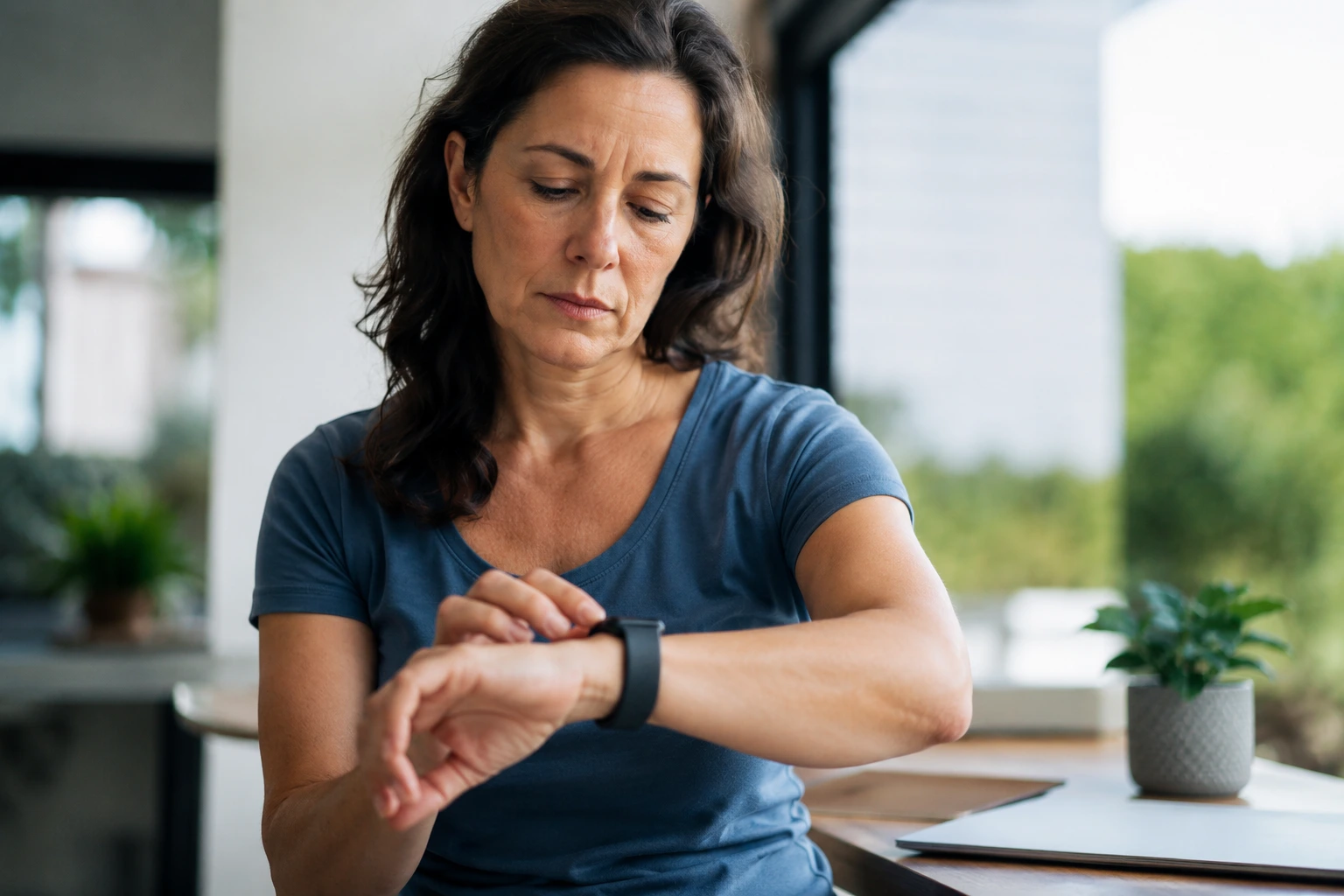
Your smartwatch buzzes at 2 AM with a heart rate warning, and suddenly you’re wide awake wondering if something is seriously wrong, but smartwatch health alerts are often more confusing than reassuring, leaving you second-guessing every ping and wondering what your device is actually trying to tell you.
Understanding smartwatch health alerts
That first alert can feel jarring. You’re going about your day, and suddenly your wrist vibrates with a notification about your heart rate or sleep patterns, and your mind immediately jumps to worst-case scenarios. Smartwatch health alerts monitor everything from your resting heart rate to how many steps you took, but understanding what they actually mean requires stepping back and looking at the bigger picture. These devices track vital signs in real-time, giving you data that used to require a doctor’s visit. One woman shared how her smartwatch flagged an unusually high resting heart rate one morning, which turned out to be nothing more than stress from a work deadline combined with her morning coffee. The key is recognizing that these alerts are meant to inform, not alarm. Your smartwatch collects patterns over weeks and months, building a baseline of what normal looks like for your unique body. When something deviates from that baseline, it sends an alert. Think of it less as a diagnosis and more as a helpful nudge asking you to pay attention.
- Monitor vital signs in real-time
- Track activity levels and patterns
- Provide insights into sleep quality
Deciphering heart rate notifications
Heart rate alerts are probably the most anxiety-inducing notifications you’ll receive. Your smartwatch detects that your resting heart rate has climbed to 85 when it’s usually 65, and suddenly you’re convinced something is wrong. But here’s what many women don’t realize: your heart rate fluctuates constantly based on stress, caffeine, hormonal cycles, exercise, and even how well you slept. Understanding your personal baseline is crucial. Track your normal resting heart rate over a week when you feel healthy and calm, then use that as your reference point. A woman in her forties described how her smartwatch helped her notice that her heart rate spiked during certain times of her cycle, which she could then discuss with her doctor. If you see persistent elevated readings over several days, or if the alert coincides with chest pain, shortness of breath, or dizziness, that warrants a conversation with your healthcare provider. But a single high reading after a stressful meeting or during your period? That’s usually just your body responding normally to life.
💬 Ready to feel better in 2 minutes?choose where to begin:
Interpreting activity level alerts
Activity alerts come in two flavors: the motivational nudge and the gentle reminder that you’ve been sitting too long. Many smartwatches will buzz if you haven’t moved in an hour, which can feel either helpful or annoying depending on your day. Some women find these alerts genuinely motivating, using them as permission to take a break and stretch. Others feel frustrated by the constant reminders, especially on days when they’re working intensely at a desk or caring for young children without a moment to themselves. The trick is customizing your alerts to match your lifestyle rather than fighting against them. If you work a desk job, those hourly movement reminders might be exactly what you need to stay active. If you’re a nurse or teacher constantly on your feet, you might disable them entirely. One woman shared that she uses her activity alerts strategically, setting them during her work day but turning them off on weekends to avoid the pressure. Your smartwatch should work for you, not against you, and that means adjusting settings to support your actual life.
Making sense of sleep quality insights
Sleep data can be revealing and sometimes unsettling. Your smartwatch shows that you only got four hours of deep sleep last night, and suddenly you’re worried you’re not recovering properly. But here’s the reality: sleep tracking on smartwatches uses movement and heart rate patterns to estimate sleep stages, and it’s not always perfectly accurate. What matters more is how you actually feel the next day. One woman discovered through her smartwatch data that her sleep quality tanked on nights when she drank wine after 7 PM, giving her concrete evidence to change her evening habits. Another realized that her sleep improved dramatically once she stopped checking her phone in bed. Rather than obsessing over the exact percentages, use your sleep insights as a conversation starter with yourself. Are you going to bed too late? Is stress keeping you wired? Do you need to adjust your bedroom temperature or light? The patterns your smartwatch reveals can guide you toward better sleep hygiene, but the real work happens in your daily choices and routines.
Smartwatch health alerts are tools for awareness, not diagnosis. By understanding what your heart rate notifications actually mean, learning to interpret activity level alerts in the context of your real life, and using sleep insights to guide better habits, you gain control over the data rather than letting it control you. The goal isn’t perfection; it’s progress and self-awareness.
How accurate are smartwatch health alerts?
Smartwatch health alerts provide useful insights but may not always be 100% accurate. They serve as helpful indicators rather than diagnostic tools. Consult a healthcare professional for any concerns.
What should I do if I receive concerning health alerts?
If you receive concerning health alerts, take a moment to assess your symptoms and overall well-being. Seek medical advice if the alerts persist or if you experience any unusual symptoms.
Others also read:
Disclaimer: This article is for informational purposes only and is not a substitute for professional medical advice. Always consult a healthcare professional for personal guidance.
This article presents an experience-based perspective and has been reviewed by the GlobalHealthBeacon editorial team in 2026. It provides structured, evidence-based information to support informed health decisions.
