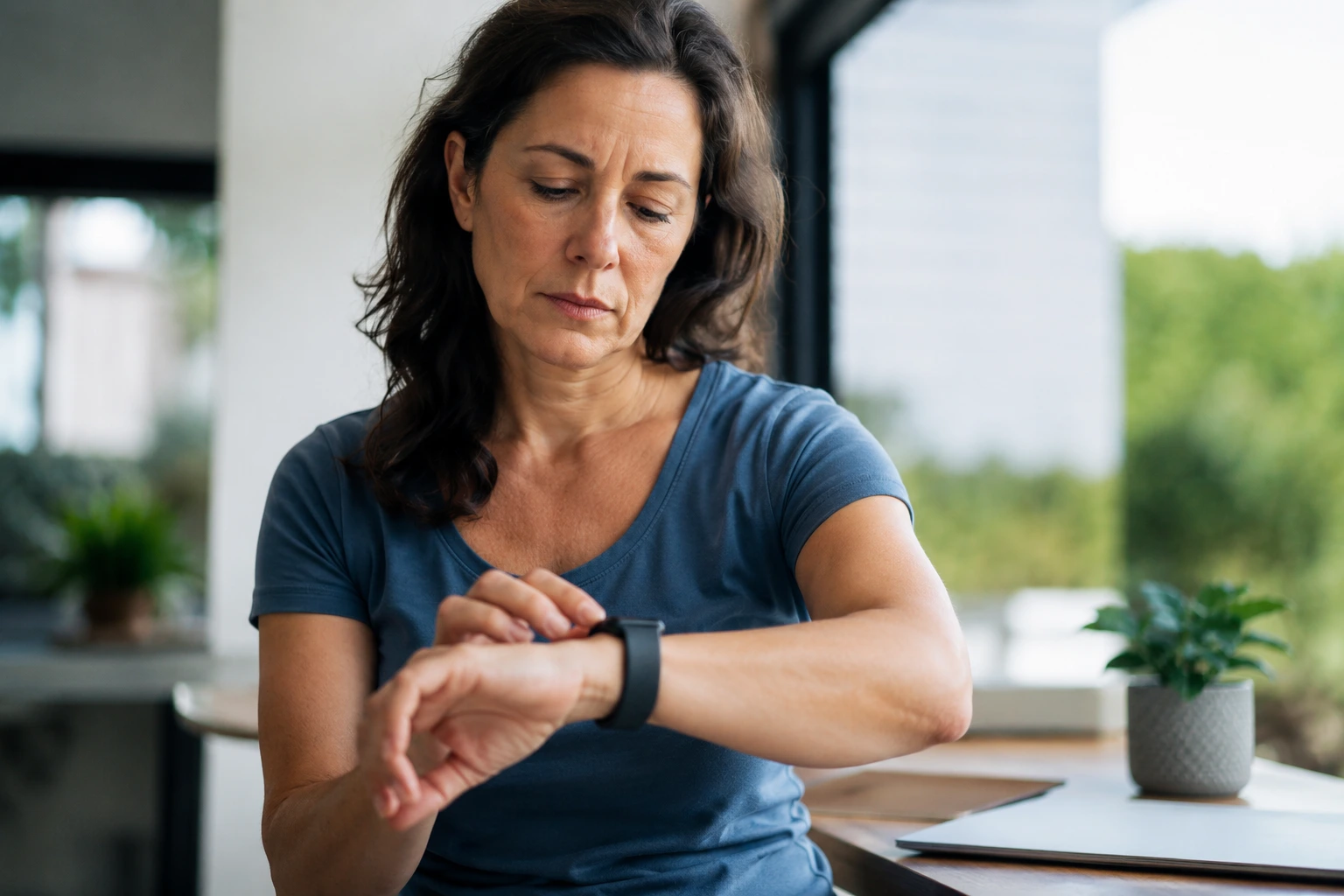
Your smartwatch just buzzed with a heart rate warning at 2 AM while you were peacefully asleep, and now you’re wide awake wondering if something is actually wrong with you—spoiler alert, it probably isn’t, and smartwatch health alerts don’t have to keep hijacking your peace of mind.
Understanding smartwatch alerts
Your smartwatch is constantly collecting data about your body, but it’s working with algorithms that don’t know you personally. Think of it like this: your device measures your heart rate, oxygen levels, and movement patterns, then compares them against baseline ranges that might not actually match your individual physiology. A 22-year-old athlete and a 22-year-old who works a desk job have completely different resting heart rates, yet many smartwatches use similar thresholds for both. False alarms happen when your watch detects something outside its programmed range and flags it as concerning, even though it’s completely normal for you. Understanding the difference between a genuine alert and a false positive starts with recognizing that your smartwatch is making educated guesses based on limited data. It doesn’t know about your caffeine intake, your workout intensity that day, or the fact that you just climbed three flights of stairs. By learning how your specific device interprets your vital signs and what triggers its alerts, you can start filtering out the noise and focusing on what actually matters.
- Differentiate between false alarms and real health concerns
- Learn how smartwatches track your vital signs
- Understand the algorithms used to detect anomalies
Calibrate your smartwatch
Calibration is your first line of defense against false alarms, and it’s surprisingly straightforward. Start by ensuring your device has your accurate personal data: age, weight, height, and biological sex all matter because they influence what your watch considers normal. But here’s where most people stop too early. After entering basic info, dive into your app settings and adjust alert sensitivity based on your lifestyle. If you’re training for a marathon, your heart rate spikes are expected and shouldn’t trigger warnings. If you work in a high-stress environment, stress-related heart rate increases are normal for you. Many smartwatches let you create custom activity profiles or adjust sensitivity levels from low to high. Start with medium sensitivity and monitor what alerts you actually get over a week. If you’re getting multiple false alarms, dial it down. If you’re not getting alerts when you feel something is genuinely off, bump it up. This iterative approach takes patience but transforms your watch from an anxiety machine into an actually useful health companion.
📘 Fix your day in under 2 minuteschoose where to begin:
Maintaining consistent skin contact
The sensors on your smartwatch need direct, consistent contact with your skin to read your vital signs accurately, and this is where most false alarms originate. Imagine trying to take someone’s temperature with a thermometer that’s only touching them half the time, that’s essentially what happens when your watch is loose or moving around your wrist. Your watch should sit snugly on your wrist, about one finger width above your wrist bone, with the sensors flat against your skin. During workouts, this becomes even more critical because movement can shift your watch, breaking sensor contact and causing erratic readings that trigger false alerts. Beyond fit, cleanliness matters too. Sweat, dirt, and dead skin cells build up on both your sensors and your skin, creating a barrier that interferes with readings. Spend 30 seconds once a week cleaning your watch sensors with a soft, slightly damp cloth and washing the area of your wrist where it sits. If you wear your watch 24/7, consider giving your wrist a break for an hour daily to let your skin breathe and reset. These small maintenance habits eliminate a huge source of false positives.
Stress and smartwatch alerts
Stress is one of the most overlooked triggers for smartwatch false alarms, and it’s particularly relevant for young adults juggling work, school, relationships, and social pressures. When you’re stressed, your body releases cortisol and adrenaline, which directly elevate your heart rate and can trigger alerts that make you even more stressed, creating a vicious cycle. Your watch detects the elevated heart rate and flags it as abnormal, but it has no way of knowing you just got bad news or had a difficult conversation. The key is learning to recognize your own stress patterns. Spend a few days noting when you get alerts and what you were doing or feeling at that moment. You’ll likely spot a pattern: alerts during work meetings, after scrolling social media, or during evening hours when anxiety peaks. Once you identify these patterns, you can take action. Practice grounding techniques like the 5-4-3-2-1 method, take a 10-minute walk, or do some box breathing when you feel stress rising. These aren’t just feel-good suggestions, they actively lower your heart rate and prevent false alarms. Understanding that your smartwatch is picking up on real physiological changes caused by stress, not actual health problems, helps you respond appropriately rather than panic.
Seek professional advice
If you’ve calibrated your watch, ensured proper sensor contact, managed your stress, and you’re still getting frequent alerts, it’s time to bring in a professional. A healthcare provider can review your actual vital sign data, assess your health history, and determine whether your watch is genuinely detecting something worth investigating or if it’s just poorly calibrated for your specific physiology. This is especially important if you have underlying conditions like arrhythmia, thyroid issues, or anxiety disorders that naturally cause heart rate fluctuations your watch might misinterpret. Bring your smartwatch to your appointment and show your doctor the specific alerts you’re getting, along with the dates and times. This concrete data is far more useful than vague descriptions. Your doctor can also help you understand whether certain alerts warrant attention or are benign variations. Sometimes the solution is as simple as adjusting your watch settings based on medical guidance. Other times, your doctor might recommend disabling certain alerts altogether if they’re not clinically relevant to your situation. The goal isn’t to ignore your smartwatch entirely, it’s to use it as a tool that actually serves your health rather than undermines it.
Understanding smartwatch alerts, calibrating your device, maintaining consistent skin contact, managing stress levels, and seeking professional advice are key steps in reducing false alarms and ensuring accurate health monitoring.
Why do smartwatches give false health alerts?
Smartwatches may give false health alerts due to issues such as poor calibration, incorrect sensor contact, or environmental factors like stress.
What should I do if I get frequent false alarms from my smartwatch?
If you receive numerous false alarms, recalibrate your device, ensure proper skin contact, manage stress levels, and seek guidance from a healthcare provider for personalized advice.
Others also read:
Disclaimer: This article is for informational purposes only and is not a substitute for professional medical advice. Always consult a healthcare professional for personal guidance.
This guide has been prepared and reviewed by the GlobalHealthBeacon editorial team and reflects current medical research as of 2026. It provides structured, evidence-based information to support informed health decisions.
