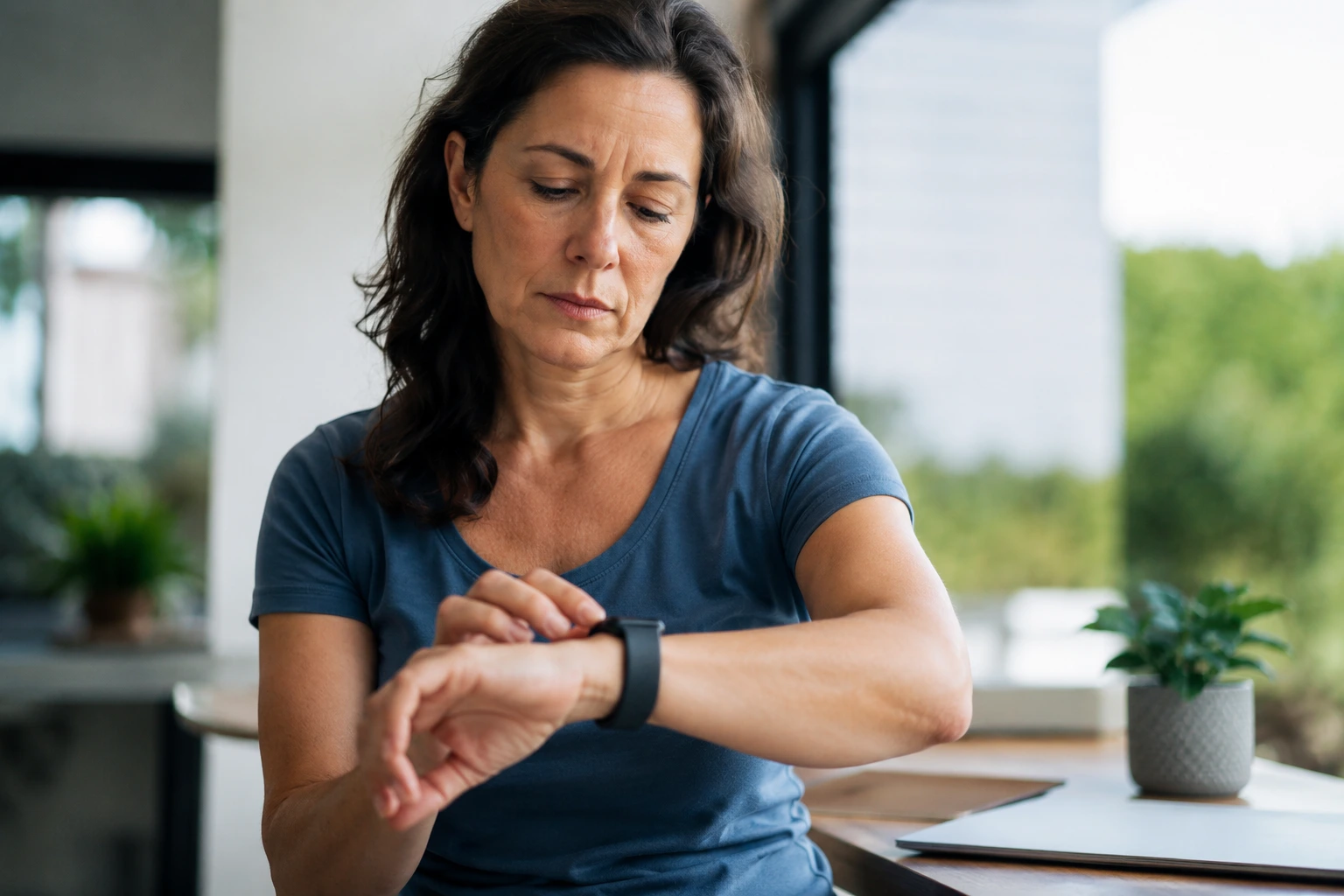
You wake up at 3 AM with your heart pounding, convinced something is seriously wrong, only to realize hours later it was just anxiety, but what if smartwatch health alerts could catch the real stuff before panic takes over?
Real-time monitoring
Imagine scrolling through your phone and getting a notification that your heart rate just spiked to 120 BPM while you were sitting at your desk. That moment of clarity, that instant feedback, changes everything. Smartwatch health alerts work by continuously tracking your heart rate, sleep patterns, and activity levels throughout the day and night. One 24-year-old user shared how she noticed her resting heart rate was consistently elevated in the mornings, which prompted her to explore stress management techniques. Another young adult discovered his sleep was fragmented and poor quality, leading him to adjust his evening routine. These devices send you real-time notifications when something shifts outside your normal patterns, whether that is irregular rhythms, sudden spikes, or concerning dips. You are not waiting for an annual checkup to understand your body anymore. Instead, you get daily, hourly, even minute-by-minute insights into what your body is actually doing.
- Receive instant notifications for irregular heart rhythms or spikes in heart rate.
- Track your sleep quality and receive personalized insights to improve your rest.
- Stay on top of your fitness goals with real-time tracking and personalized recommendations.
Personalized health insights
Here is where it gets personal. Your smartwatch does not just collect numbers, it learns you. After two weeks of wearing a device, it starts to understand your baseline. What is normal for you might be completely different from your friend. One young adult realized her stress levels spiked every Tuesday afternoon, which helped her identify a specific work trigger she could actually address. Another discovered his sleep improved dramatically when he stopped scrolling his phone an hour before bed, something he would never have connected without the data. The insights come tailored to your age, fitness level, and lifestyle. You see trends over weeks and months that reveal how late nights, skipped workouts, or stressful weeks genuinely impact your physical state. This is not generic health advice. This is your body telling you its story, and finally, you have the tools to listen and understand what it needs.
💬 Ready to feel better in 2 minutes?choose where to begin:
Emergency response
The scariest scenario played out for a 28-year-old who experienced a sudden fall while hiking alone. Her smartwatch detected the impact and sent an alert, allowing her to quickly reach out for help before the situation worsened. In another case, a young man received a notification about an unusually irregular heartbeat pattern, which prompted him to visit his doctor and discover an underlying condition that needed attention. These alerts serve as an extra set of eyes when you cannot always be paying attention to yourself. If you experience a hard fall, your device can detect it and notify emergency contacts or services. If your heart rate drops dangerously or becomes erratic, you get alerted immediately. While these devices are not replacements for professional medical care, they function as an early warning system that can make the difference between catching something minor and letting it become serious. For young adults who are often juggling work, school, and social life, having that automated safety net provides genuine peace of mind.
Empowerment through data
There is something deeply empowering about holding your own health data in your hands. A 25-year-old fitness enthusiast used her smartwatch data to set realistic goals, tracking not just steps but recovery time and how her body responded to different workout intensities. She could see exactly which types of exercise made her feel energized versus drained. Another young adult used his sleep data to advocate for himself at work, showing concrete evidence that his productivity suffered on days when he got less than six hours of sleep, which led to a conversation about flexible scheduling. You stop being passive about your health and become an active participant in your own care. You can identify patterns, set achievable milestones, and track progress over time. When you eventually see a doctor, you arrive with weeks or months of actual data about your body, not just vague descriptions of how you have been feeling. This shifts the entire dynamic of healthcare from reactive to proactive.
Smartwatch health alerts revolutionize how young adults monitor their health. From real-time tracking to personalized insights and emergency response features, these devices empower users to take control of their well-being through data-driven decisions.
Are smartwatch health alerts accurate?
Smartwatch health alerts are designed to provide accurate readings based on the data they collect. However, it is important to understand that these devices may have limitations and should not replace professional medical advice.
Can smartwatch health alerts prevent health emergencies?
While smartwatch health alerts can notify users of potential health issues, they are not foolproof in preventing emergencies. Users should always seek medical attention if they experience concerning symptoms.
Others also read:
Disclaimer: This article is for informational purposes only and is not a substitute for professional medical advice. Always consult a healthcare professional for personal guidance.
This article presents an experience-based perspective and has been reviewed by the GlobalHealthBeacon editorial team in 2026. It provides structured, evidence-based information to support informed health decisions.
