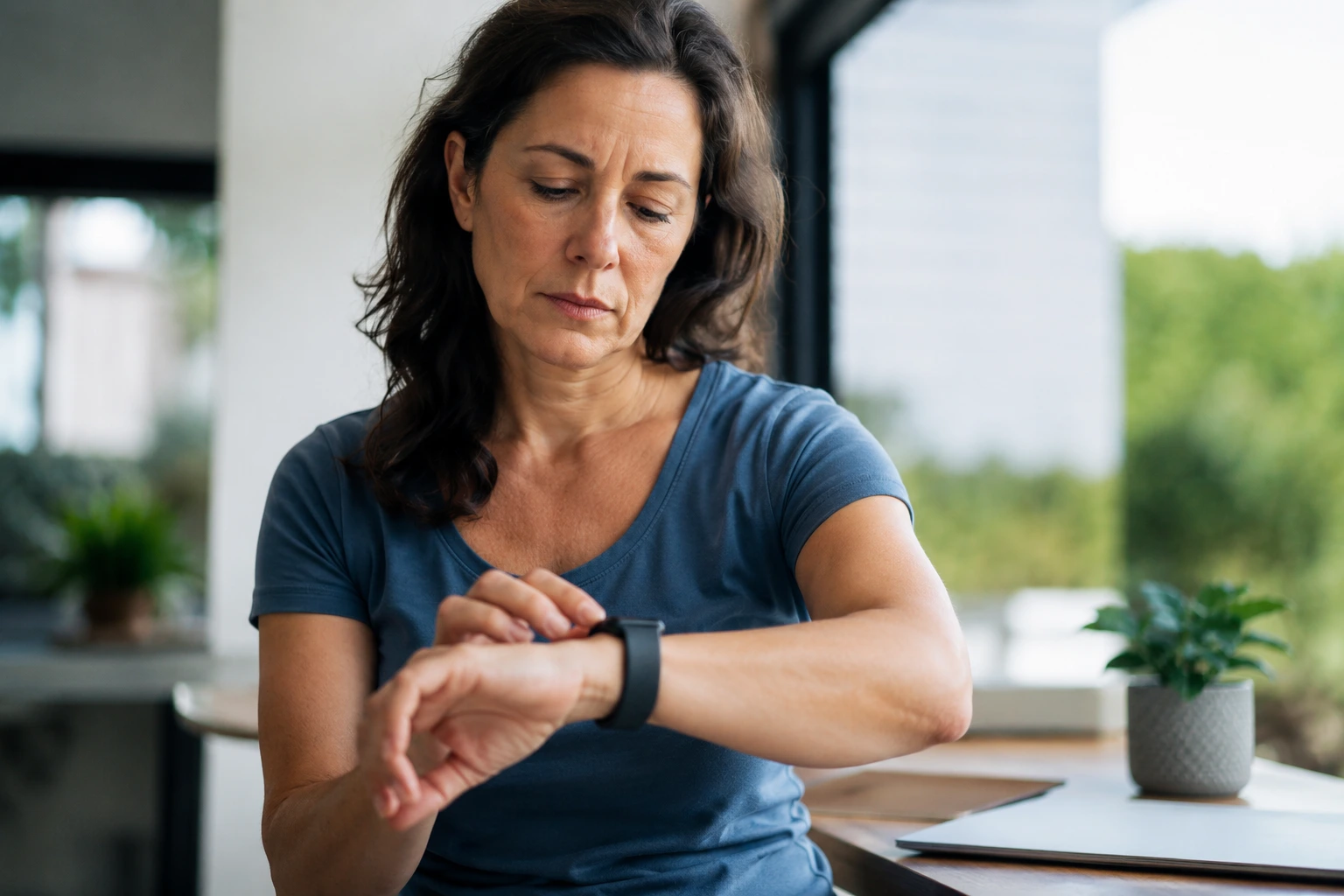
Worried you might miss warning signs about your heart, blood pressure, or sleep that could actually matter? Smartwatch health alerts are designed to catch what you might overlook, giving you real-time visibility into your body so you can stay ahead of problems instead of reacting to them.
Understanding smartwatch health alerts
Smartwatch health alerts work by continuously monitoring your body throughout the day and night. Think of it as having a personal health assistant on your wrist. These devices track heart rate patterns, blood pressure trends, activity levels, and sleep cycles, then send you notifications when something falls outside your normal range. For example, if you typically have a resting heart rate of 65 beats per minute but suddenly spike to 100 while sitting down, your watch alerts you. Or if you notice you have not moved in three hours, it gently reminds you to get up. The technology uses sensors beneath the watch face to collect data continuously, analyzing patterns over time to spot irregularities that might warrant attention. Unlike a single doctor visit where you get a snapshot of your health, smartwatch alerts give you an ongoing narrative of how your body is actually functioning day to day.
- Receive immediate notifications about irregular heart rates or high/low blood pressure.
- Track daily physical activities like steps taken, calories burned, and exercise durations effortlessly.
- Monitor sleep patterns and receive feedback on sleep quality to improve rest and overall health.
Benefits of smartwatch health alerts for seniors
For seniors, smartwatch health alerts offer something invaluable: early warning signals. Consider Margaret, a 72-year-old who noticed her watch flagging elevated resting heart rate over several days. She mentioned it to her doctor, who discovered early signs of atrial fibrillation. Caught early, she started treatment that likely prevented a future stroke. This is the real power of these devices for your age group. Smartwatch alerts create a safety net by detecting subtle changes before they become serious problems. They give you confidence to stay active because you know your watch has your back. If you have existing conditions like diabetes or hypertension, continuous monitoring helps you understand how your daily choices affect your health. You see real data showing how that afternoon walk improved your heart rate variability or how stress impacts your sleep. This transforms abstract health advice into concrete, personal information you can act on.
📘 Fix your day in under 2 minuteschoose where to begin:
Choosing the right smartwatch for your needs
Selecting a smartwatch requires thinking about your actual lifestyle, not just features on a spec sheet. Start by considering battery life. A watch that needs charging every day becomes a burden rather than a tool, so look for models offering at least three to five days of battery. Next, test the interface yourself if possible. Can you easily read the screen in sunlight? Are the buttons large enough for your fingers? Compatibility matters too. If you use an iPhone, some Android watches will not work optimally with it. Check which health metrics matter most to you. Do you need blood oxygen monitoring? ECG capability? Fall detection? Not every senior needs every feature. Think about your budget and what you will actually use. A 500-dollar watch with features you never activate is wasteful. Read reviews specifically from seniors, not just tech enthusiasts. They will tell you what really works in daily life. Visit a store and try on different models. The best smartwatch is one you will actually wear every day.
Limitations of smartwatch health alerts
Smartwatch health alerts are helpful tools, but they have real boundaries you should understand. The sensors in these devices are consumer-grade, not medical-grade, which means accuracy varies. A smartwatch heart rate reading might be off by five to ten beats per minute, especially during exercise when your arm moves more. They cannot diagnose conditions on their own. If your watch shows an irregular rhythm, that is a signal to see your doctor, not a diagnosis of atrial fibrillation. False alarms happen too. You might get an alert about high blood pressure when you were just stressed or had too much caffeine. This can create unnecessary anxiety if you do not understand the limitations. Some seniors become overly focused on data, checking their watch constantly and worrying about minor fluctuations that are completely normal. The devices also work best when you wear them consistently, which some people find uncomfortable. Finally, they require you to stay tech-savvy enough to understand the app, update software, and troubleshoot problems.
Making informed decisions with smartwatch health alerts
The key to getting real value from a smartwatch is treating it as one piece of a larger health picture, not the whole picture. Use the data to start conversations with your doctor. Bring screenshots of concerning trends to your appointments. Share what you have noticed about patterns in your own body. This information helps your doctor make better decisions about your care. Set realistic expectations. A smartwatch will not prevent health problems, but it can help you catch them earlier. Use the motivational features like activity reminders and step goals to stay engaged with your health. Many seniors find that seeing their progress visually motivates them to move more. Do not let alerts create anxiety. If you get a notification, take a breath, check if you were doing something that might explain it, and decide if it warrants immediate action or just a note for your next doctor visit. Keep your device updated and learn how to use its features properly. Spend time with the app, watch tutorial videos, or ask a family member to help you understand what the data means. The smartwatch is a tool that works best when you understand how to use it.
Smartwatch health alerts offer seniors real-time insights into their health, enabling proactive monitoring and early intervention. When choosing a smartwatch, consider features like ease of use and accuracy. Remember to use these alerts as a complement to professional medical advice for optimum health management.
Are smartwatch health alerts accurate for seniors?
Smartwatch health alerts provide a good indication of general health trends but may not always be 100% accurate for medical diagnosis. They are best used as tools for health monitoring and early intervention.
Can smartwatch health alerts replace regular check-ups?
Smartwatch health alerts are useful for continuous health monitoring but should not replace regular visits to healthcare professionals for comprehensive assessments and medical advice.
Others also read:
Disclaimer: This article is for informational purposes only and is not a substitute for professional medical advice. Always consult a healthcare professional for personal guidance.
This guide has been prepared and reviewed by the GlobalHealthBeacon editorial team and reflects current medical research as of 2026. It provides structured, evidence-based information to support informed health decisions.
