You wake up another morning feeling that hollow ache, the kind that no amount of sleep fixes, realizing that isolation is slowly stealing your vitality and that understanding the link between social connection and longevity might just be the wake-up call you needed.
The impact of social isolation
Isolation doesn’t announce itself with fanfare. It creeps in quietly, day after day, until you realize months have passed since you had a real conversation. Margaret, a retired teacher from Ohio, described it perfectly: she’d spend entire weeks in her apartment, the silence becoming so familiar she almost forgot what laughter sounded like. The physical toll was just as real as the emotional one. Her joints ached more. Her sleep suffered. She caught every cold that came around. Research consistently shows that seniors experiencing prolonged isolation face higher rates of depression, anxiety, and chronic conditions like heart disease and arthritis. The loneliness doesn’t just feel bad; it literally rewires your body’s stress response, keeping cortisol levels elevated and weakening immune function. When purpose fades and connection disappears, the motivation to move, eat well, or engage in life simply evaporates.
- Increased risk of depression and anxiety
- Higher likelihood of developing chronic conditions
- Feelings of disconnect and lack of motivation
The healing touch of companionship
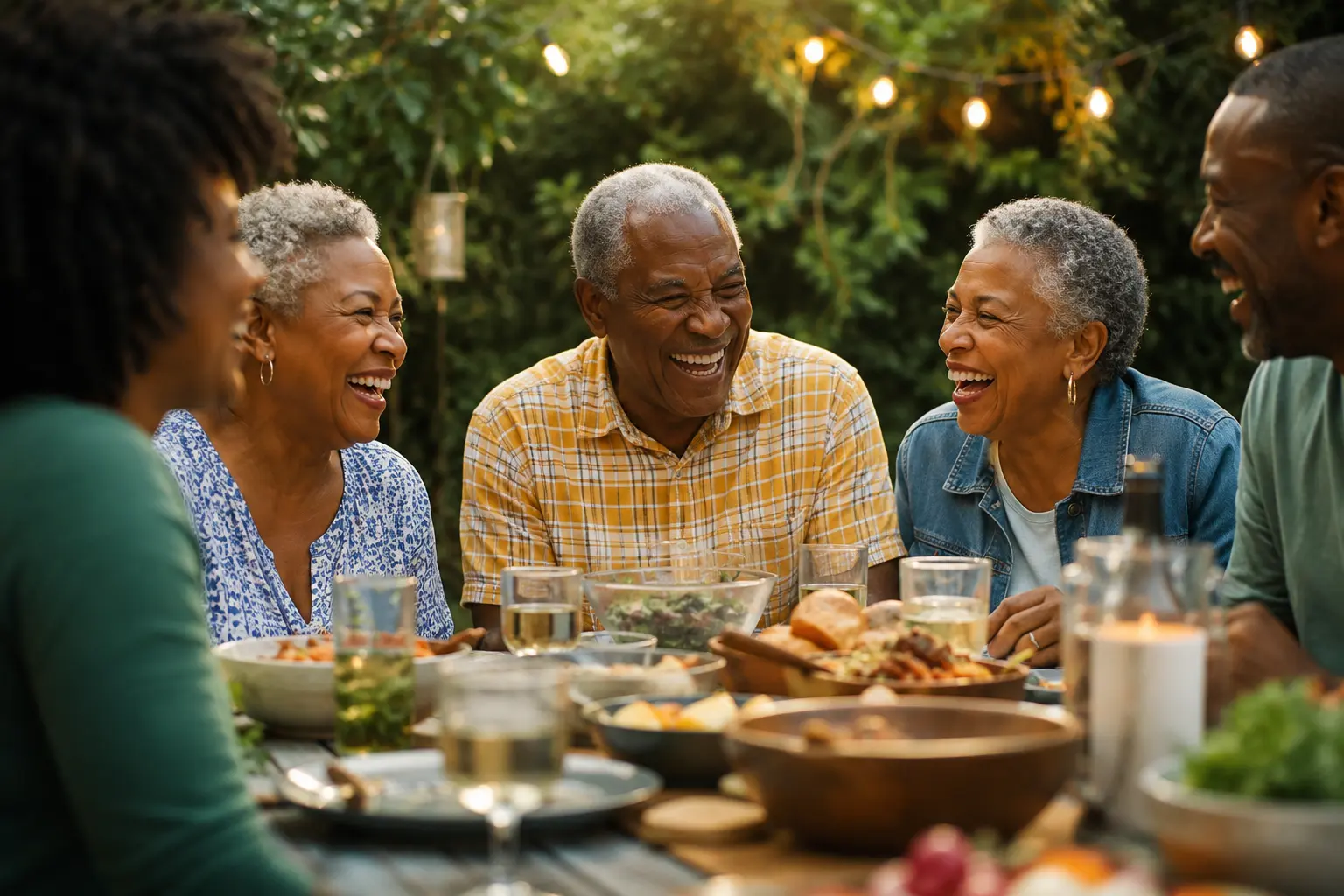
Then something shifts. A neighbor invites you to coffee. A grandchild calls more often. You join a book club or a walking group. Suddenly, the world feels different. Robert, 74, joined a community garden project almost by accident. He wasn’t even sure he wanted to go. But within weeks, his entire outlook changed. He had people to see, plants to tend, conversations that made him feel alive again. The magic isn’t complicated: it’s connection. When you share a meal with someone, exchange stories, laugh at inside jokes, or simply sit alongside another person, your brain releases oxytocin and serotonin. Your nervous system calms. Your sense of purpose reignites. Seniors who actively nurture friendships and family bonds report feeling more energized, sleeping better, and experiencing fewer aches and pains. It’s not mystical; it’s biology meeting human need.
💬 Ready to feel better in 2 minutes?choose where to begin:
Community support and longevity
Being part of something larger than yourself changes everything. When you belong to a community, whether it’s a church group, volunteer organization, fitness class, or neighborhood association, you’re not just showing up for an activity. You’re building a safety net. Elena, 78, started volunteering at a local literacy program and discovered she wasn’t just teaching others to read; she was gaining a family. Her volunteer friends checked in on her, invited her to dinners, and supported her through health challenges. Studies show that seniors embedded in strong communities have better cardiovascular health, lower blood pressure, and significantly longer lifespans. The support isn’t just emotional; it’s practical. Someone notices if you’re struggling. People encourage you to stay active. You have reasons to get out of bed. The sense of security that comes from knowing you matter to others, that your absence would be noticed, is profoundly healing.
Embracing change and growing together
Opening yourself to new connections takes courage, especially if you’ve spent time alone. But seniors who take that leap often describe it as a rebirth. James, 76, was skeptical when his daughter suggested he try a senior tech class. He’d been isolated for three years after his wife passed. But learning alongside other seniors, making mistakes together, and laughing at shared confusion transformed his confidence. He made friends. He started video calling his grandchildren regularly. He felt purposeful again. Growth doesn’t require dramatic change. It can be as simple as saying yes to an invitation, trying one new activity, or reaching out to an old friend you’ve lost touch with. Each connection, no matter how small, is a step toward a fuller, more vibrant life where you’re not just existing but truly living.
Social connection isn’t just about conversations and meetings; it’s a lifeline that sustains both body and spirit. Seniors who prioritize relationships experience better mental and physical health, finding purpose and joy in every connection they make.
Can social connection truly impact longevity?
Yes, research shows that maintaining strong social connections can lead to a longer and healthier life. Regular interaction with others has been linked to lower rates of chronic diseases and a higher overall sense of well-being.
How can seniors start building social connections?
Seniors can join local clubs, volunteer in their community, participate in group activities, or simply reach out to old friends and family members. The key is to engage with others regularly and nurture meaningful relationships.
Others also read:
Disclaimer: This article is for informational purposes only and is not a substitute for professional medical advice. Always consult a healthcare professional for personal guidance.
This article presents an experience-based perspective and has been reviewed by the GlobalHealthBeacon editorial team in 2026. It provides structured, evidence-based information to support informed health decisions.
