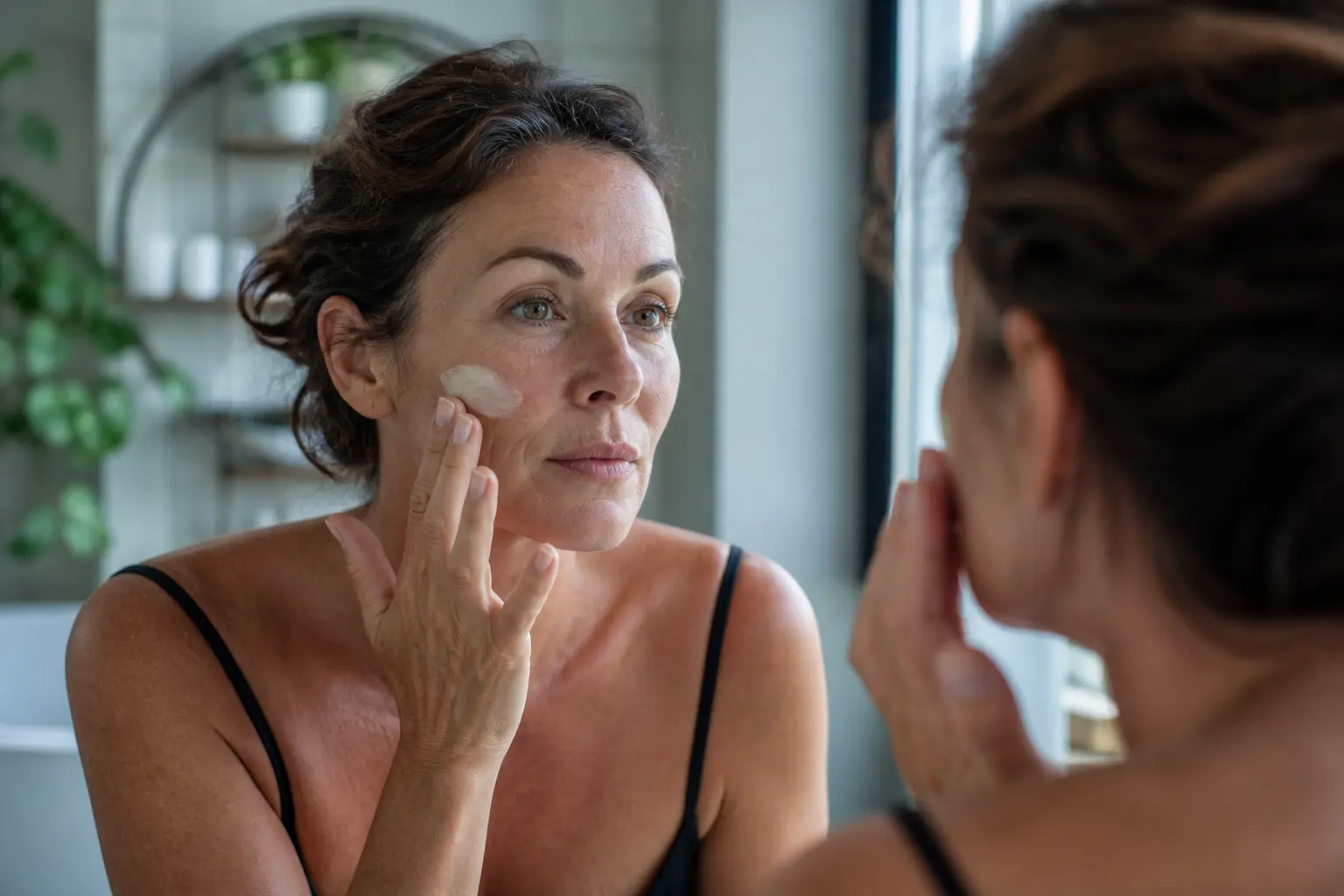
You’re in your twenties or thirties, your skin looks fine now, but you’re already worried about wrinkles creeping in before you hit forty, and everyone keeps telling you that spf anti aging benefits are the secret you’re missing.
Understanding SPF and its anti-aging effects
SPF, or sun protection factor, is essentially a shield against ultraviolet radiation that silently damages your skin every single day. Think of UV rays as tiny invisible bullets hitting your skin. Over time, they break down collagen and elastin, the proteins that keep your skin firm and smooth. When you’re twenty-five and spending weekends at the beach or your commute involves walking in direct sunlight, those rays are accumulating damage that won’t show up as wrinkles until years later. By wearing SPF daily, you’re not just preventing sunburn in the moment, you’re stopping the accelerated aging process at its source. A young adult who starts using broad-spectrum SPF consistently now will have noticeably fewer fine lines and age spots at forty compared to someone who skipped it. The science is straightforward: UV protection prevents the breakdown of skin structure, which means fewer wrinkles, less sagging, and more even skin tone as you age.
- SPF protects against UVA and UVB rays that contribute to skin aging.
- Consistent SPF use can help maintain youthful skin and prevent existing wrinkles from worsening.
- Look for broad-spectrum sunscreen with a minimum SPF of 30 for maximum protection.
Choosing the right SPF for your skin type
Not all sunscreens feel the same on your skin, and using the wrong formula is a quick way to stop using SPF altogether. If you have dry skin, a heavy, occlusive sunscreen with hydrating ingredients like hyaluronic acid or glycerin will feel nourishing rather than tight. Look for creamy or lotion-based formulas that sink in without leaving a chalky residue. If your skin tends toward oiliness or you break out easily, you need a lightweight, oil-free, non-comedogenic sunscreen that won’t clog pores or feel greasy by midday. Combination skin types benefit from gel-based or fluid sunscreens that balance hydration without excess shine. The key is finding a formula you actually want to use every morning, because the best SPF is the one you’ll apply consistently. Spend a week testing different options if needed. Your future skin will thank you for getting this right now rather than abandoning sun protection because the product felt uncomfortable.
📘 Fix your day in under 2 minuteschoose where to begin:
Applying SPF correctly for maximum benefits
Most people apply sunscreen wrong, which means they’re getting far less protection than they think. The recommended amount is about one-quarter teaspoon for your face alone, which sounds like a lot but is actually the minimum needed for full coverage. Start by warming the sunscreen between your palms, then press it gently into your face, neck, and ears, allowing it to set for a few minutes before applying makeup or moisturizer. If you’re spending extended time outdoors, reapply every two hours, or immediately after swimming or sweating. Many young adults make the mistake of applying sunscreen once in the morning and assuming they’re protected all day, but UV exposure is cumulative throughout your day. If you’re at the beach, hiking, or even just sitting by a window at work, reapplication matters. Keep a travel-size sunscreen in your bag or desk so reapplication becomes a habit rather than an afterthought. Consistency in application is what transforms SPF from a nice idea into actual wrinkle prevention.
Supplementing SPF with other anti-aging ingredients
SPF stops future damage, but it doesn’t repair damage that’s already happened. That’s where other anti-aging ingredients come in. Retinol increases cell turnover and boosts collagen production, making it one of the most effective anti-aging compounds available. Start with a low concentration if you’re new to it, using it two to three times per week at night, since it can make skin sun-sensitive. Hyaluronic acid holds moisture in your skin, plumping fine lines and keeping your complexion hydrated and resilient. Vitamin C is a powerful antioxidant that brightens skin and works synergistically with SPF to neutralize free radicals caused by sun exposure. A realistic routine for a young adult might look like this: morning cleanser, vitamin C serum, moisturizer, then SPF. At night, cleanser, retinol two to three times weekly, then a heavier moisturizer. This combination addresses both prevention and repair, giving you the best chance at maintaining youthful skin through your thirties and beyond.
Finding the best SPF products for young adults
The sunscreen aisle can feel overwhelming, but young adults have specific needs that differ from other age groups. You want something lightweight enough to wear under makeup without looking cakey, fast-absorbing so it doesn’t interfere with your morning routine, and ideally something that doesn’t leave a white cast on darker skin tones. Mineral sunscreens use zinc oxide or titanium dioxide and work by sitting on top of skin to reflect UV rays, while chemical sunscreens absorb into skin and convert UV rays into heat. Chemical formulas tend to feel lighter and more elegant, while mineral options are often better for sensitive skin. For young adults juggling work, workouts, and social life, a tinted mineral sunscreen or a hybrid formula can simplify your routine by combining SPF with light coverage. Don’t be afraid to try multiple brands, since what works for your friend might feel wrong on your skin. Once you find a formula you genuinely enjoy using, commit to it. The best anti-aging product is the one you’ll actually use every single day without fail.
Regularly incorporating SPF into your skincare routine can significantly reduce the risk of premature aging by protecting your skin from UV damage. Pairing SPF with other anti-aging ingredients can enhance its efficacy in maintaining youthful skin.
Can SPF alone prevent wrinkles in young adults?
While SPF is crucial in preventing premature aging, it is most effective when combined with other anti-aging measures such as a healthy lifestyle and skincare routine.
Is a higher SPF number better for anti-aging benefits?
The ideal SPF number for anti-aging is SPF 30, offering sufficient protection against UV radiation without significantly increasing the product’s sun-blocking performance.
Others also read:
Disclaimer: This article is for informational purposes only and is not a substitute for professional medical advice. Always consult a healthcare professional for personal guidance.
This guide has been prepared and reviewed by the GlobalHealthBeacon editorial team and reflects current medical research as of 2026. It provides structured, evidence-based information to support informed health decisions.
