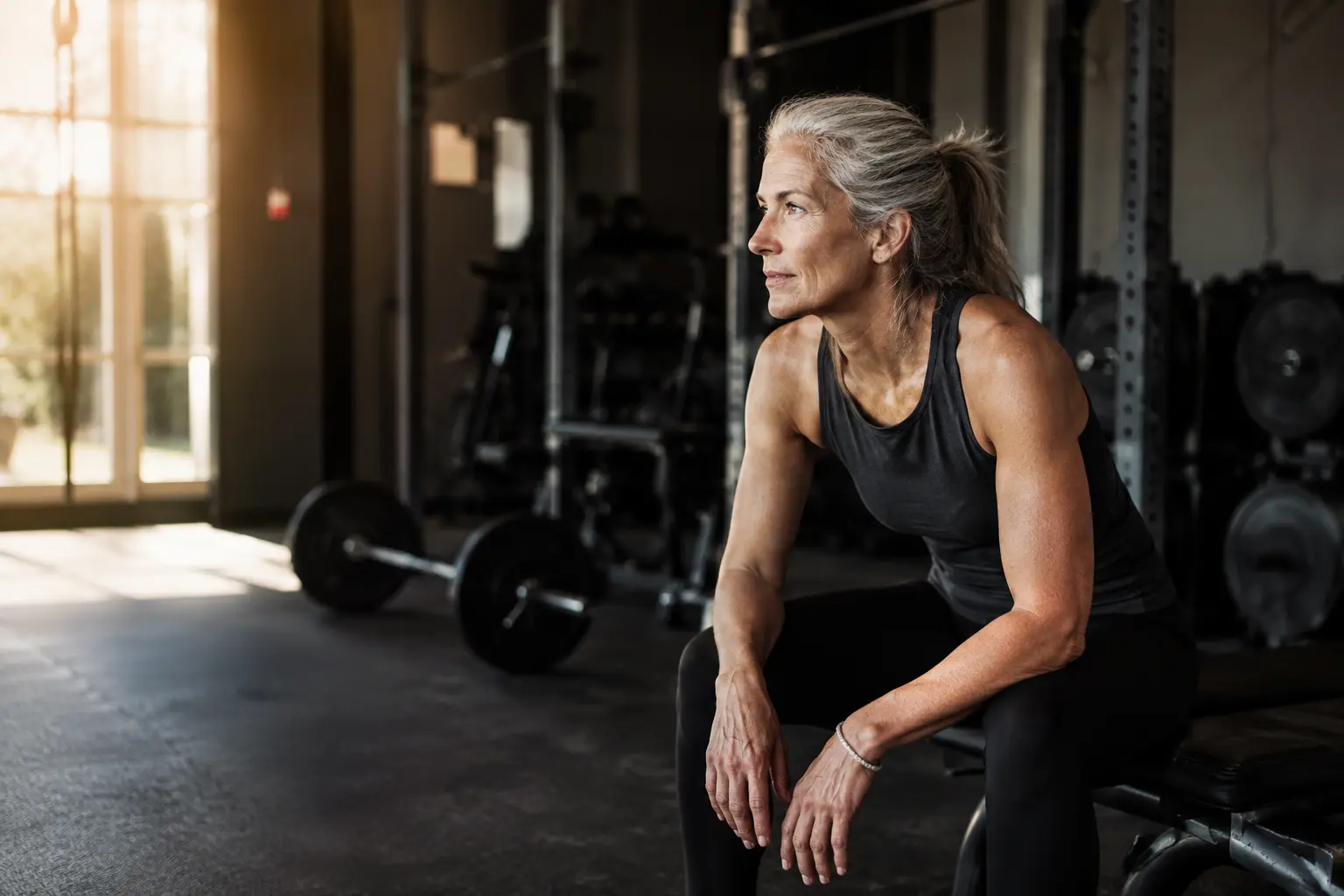
You’re watching your energy dip, your bones feel fragile, and you’re worried about what comes next, but strength training for healthspan might be the game-changer you’ve been searching for.
The impact of strength training on healthspan
Strength training operates as far more than a cosmetic tool for building visible muscle. When women engage in regular resistance exercise, their bodies initiate a cascade of physiological adaptations that ripple across multiple systems. Research consistently demonstrates that strength training enhances bone mineral density, a critical factor as women age and face increased osteoporosis risk. Beyond bones, this form of exercise elevates resting metabolic rate, meaning your body burns more calories even at rest. Consider Sarah, a 58-year-old woman who started strength training three times weekly. Within six months, her bone density improved measurably, her energy levels increased noticeably, and her risk markers for type 2 diabetes declined. The mechanism is straightforward: resistance exercise triggers muscle fibers to adapt and strengthen, which simultaneously improves cardiovascular function, enhances insulin sensitivity, and reduces chronic disease risk factors. This isn’t speculation; longitudinal studies tracking thousands of women over decades show consistent improvements in healthspan, the years lived in good health, among those who maintain regular strength training practices.
The science behind strength training benefits
When muscle tissue experiences the controlled stress of resistance exercise, it initiates a repair and adaptation process called hypertrophy. Microscopic tears in muscle fibers trigger the body to synthesize new proteins, rebuilding the fibers stronger and larger. This biological response creates a domino effect throughout your metabolism. Increased muscle mass acts as metabolic tissue, consuming glucose and improving how your body manages blood sugar levels. For women specifically, this matters enormously because hormonal shifts during perimenopause and menopause often slow metabolism and increase insulin resistance. A woman performing compound movements like squats or deadlifts isn’t just building leg strength; she’s creating metabolic demand that helps regulate glucose homeostasis. Additionally, muscle tissue produces myokines, signaling molecules that reduce systemic inflammation and improve cardiovascular health. Research shows women who maintain higher muscle mass demonstrate better cognitive function, improved balance and fall prevention, and stronger immune responses. The strength gains compound over time, meaning a woman who trains consistently at 45 will have substantially better functional capacity and disease resistance at 65 compared to sedentary peers.
How to incorporate strength training into your routine
Building a sustainable strength training practice requires a thoughtful progression strategy rather than jumping into heavy weights immediately. Start with bodyweight exercises like wall push-ups, chair squats, or modified planks to establish movement patterns and build foundational strength without equipment. This phase typically lasts two to four weeks and allows your nervous system to learn proper form. Once bodyweight movements feel controlled and comfortable, introduce resistance bands or light dumbbells, starting with weights that allow 12 to 15 repetitions with good form. A practical example: a woman might begin with 5-pound dumbbells for bicep curls, performing three sets of 12 repetitions twice weekly. As strength improves over weeks, she increases to 8 pounds, then 10 pounds, maintaining the same repetition range. Consistency matters more than intensity; two to three well-executed sessions weekly produces better results than sporadic intense workouts. Focus on compound movements like squats, deadlifts, rows, and chest presses because these engage multiple muscle groups simultaneously and deliver maximum metabolic benefit. Listen carefully to your body’s signals; mild muscle fatigue is normal, but sharp pain indicates you should stop and reassess form or reduce weight.
- Start with bodyweight exercises to build a foundation.
- Gradually introduce weights or resistance bands.
- Consistency is key – aim for at least 2-3 sessions per week.
- Focus on compound movements like squats, deadlifts, and bench presses.
- Listen to your body and adjust intensity as needed.
🔬 Science-backed benefits in 2 minuteschoose where to begin:
Understanding the role of nutrition in strength training
Strength training creates demand for building blocks and energy, making nutrition the silent partner in your training success. Protein becomes essential because muscle repair and growth require amino acids; research suggests women engaged in strength training benefit from approximately 1.2 to 1.6 grams of protein per kilogram of body weight daily. This doesn’t mean complicated meal plans; a woman weighing 150 pounds needs roughly 80 to 110 grams of protein daily, achievable through eggs, Greek yogurt, chicken, fish, legumes, and dairy. Vitamins and minerals support countless enzymatic processes underlying muscle adaptation. Magnesium aids muscle relaxation and energy production, calcium supports bone health, and iron carries oxygen to working muscles. Hydration often gets overlooked but profoundly affects performance and recovery; dehydration impairs strength output and slows recovery. Beyond nutrition, sleep emerges as a non-negotiable recovery tool. During deep sleep, growth hormone peaks and muscle protein synthesis accelerates, meaning a woman who trains hard but sleeps poorly undermines her progress. Aim for seven to nine hours nightly, and consider that consistent sleep timing supports circadian rhythm regulation, which influences hormonal balance and metabolic efficiency.
Tracking progress and setting goals
Progress tracking transforms strength training from vague activity into measurable achievement, which sustains motivation and reveals what’s actually working. Rather than relying on scale weight, which can be misleading because muscle weighs more than fat, track multiple metrics. Strength progression is most direct: record the weight and repetitions for each exercise, noting when you successfully complete an additional repetition or increase weight. Body composition changes reveal themselves through how clothes fit and how you look in photos taken monthly. Endurance improvements show up in daily life, like climbing stairs without breathlessness or carrying groceries with ease. A practical approach involves maintaining a simple notebook or phone app documenting each workout: exercise name, weight used, repetitions completed, and how you felt. Over three months, patterns emerge showing consistent progress. Setting specific goals creates direction; rather than vague intentions like ‘get stronger,’ aim for concrete targets like ‘perform 15 push-ups from my knees’ or ‘deadlift 95 pounds for 10 repetitions.’ These goals provide checkpoints that confirm your training is working and deserve celebration, reinforcing the habit loop that sustains long-term practice.
Consulting with a fitness professional
While self-directed training works for many women, a certified fitness professional or personal trainer provides invaluable expertise, especially for beginners or those returning after years away from exercise. A qualified trainer assesses your movement patterns, identifies imbalances or limitations, and designs programming tailored to your specific goals and constraints. For example, a woman with a history of shoulder issues receives modified exercises and progression strategies that build strength while protecting vulnerable joints. Trainers also provide real-time form correction, preventing the subtle compensations that lead to injury. Beyond exercise selection, professionals understand periodization, the strategic variation of training intensity and volume that prevents plateaus and overtraining. They recognize when you’re ready to progress and when you need to consolidate gains. Many women find that working with a trainer for even a few sessions establishes confidence and proper technique, then they continue independently with that foundation. Look for trainers certified by reputable organizations like NASM, ACE, or ISSA, and consider their experience working with women in your age group, as training considerations differ across life stages.
Strength training offers women a scientifically grounded pathway to extend healthspan by improving muscle strength, metabolic function, and overall physiological resilience. The process involves progressive resistance exercise paired with adequate protein intake, quality sleep, and consistent practice. By tracking measurable progress and setting specific goals, women create accountability and motivation for sustained practice. Professional guidance accelerates results and minimizes injury risk, though many women successfully build strength independently once they understand fundamental principles. The evidence is clear: women who maintain regular strength training demonstrate better bone health, improved metabolic regulation, enhanced functional capacity, and reduced chronic disease risk across their lifespan.
Can strength training help women prevent osteoporosis?
Yes, strength training is one of the most effective interventions for building and maintaining bone density. Resistance exercise creates mechanical stress on bones, triggering them to strengthen and increase mineral density. This process is particularly important for women approaching or in menopause, when declining estrogen accelerates bone loss. Studies show women who engage in regular strength training maintain significantly higher bone density than sedentary peers, reducing fracture risk substantially. The effect compounds over years, meaning a woman who starts strength training at 45 will have markedly stronger bones at 65 compared to someone who never trained.
Is strength training suitable for women of all ages?
Strength training benefits women across the entire lifespan, from young adults building peak bone mass to seniors maintaining independence and preventing falls. The principles remain consistent, but implementation adjusts based on age and current fitness level. Younger women build strength and establish exercise habits that persist lifelong. Middle-aged women counteract metabolic slowdown and hormonal changes. Older women maintain muscle mass, balance, and functional capacity that preserve independence. Beginners of any age should start conservatively with bodyweight or light resistance, focusing on movement quality before intensity. Consulting a fitness professional ensures your program matches your current abilities and goals, making strength training safe and effective regardless of age.
Others also read:
Disclaimer: This article is for informational purposes only and is not a substitute for professional medical advice. Always consult a healthcare professional for personal guidance.
This article has been prepared and reviewed by the GlobalHealthBeacon editorial team and is based on current medical research and published scientific literature available in 2026. It provides structured, evidence-based information to support informed health decisions.
← Back to the Main page on: strength training for healthspan
