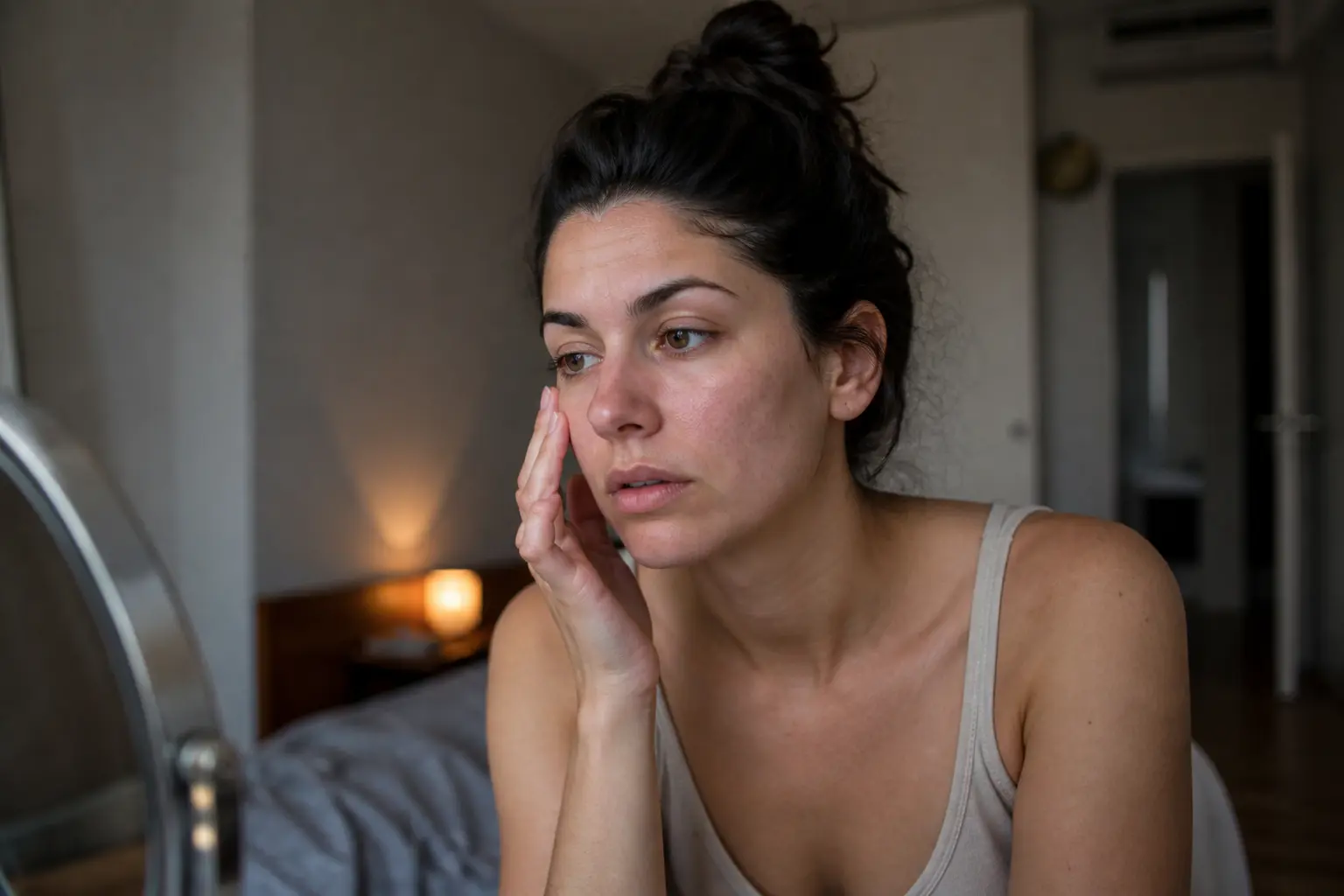
Your skin is breaking out, feeling tight and reactive, and you can’t figure out why your usual routine suddenly stopped working, but here’s the truth: stress cortisol skin effects are real, and your body is literally sabotaging your complexion every time you feel overwhelmed.
Understanding stress hormones and skin health
When stress enters your life, your body doesn’t just affect your mood or energy levels. It triggers a cascade of hormonal changes, starting with cortisol release from your adrenal glands. Think of cortisol as your body’s emergency alarm system. In small doses, it’s protective. But when you’re chronically stressed, cortisol stays elevated, and your skin pays the price. This hormone directly communicates with your skin cells, signaling them to produce more sebum, or oil. Imagine your skin’s oil glands receiving constant distress signals, causing them to overproduce. At the same time, cortisol weakens your skin’s natural barrier, the protective layer that keeps moisture in and irritants out. When this barrier is compromised, your skin becomes reactive, sensitive, and prone to inflammation. You might notice acne appearing in clusters, redness spreading across your cheeks, or your usual moisturizer suddenly causing irritation. Women often experience these changes during high-stress periods like work deadlines, relationship challenges, or major life transitions. The connection is direct: elevated cortisol equals compromised skin health.
- Cortisol stimulates oil glands in your skin, leading to excess oil production and potential breakouts.
- Chronically high cortisol levels can impair your skin’s ability to retain moisture, causing dryness and sensitivity.
- Inflammation triggered by cortisol can worsen existing skin conditions like eczema and psoriasis.
Managing stress levels for healthy skin
Protecting your skin from cortisol’s effects starts with actively managing your stress response. This isn’t about eliminating stress entirely, which is unrealistic. Instead, it’s about building practices that signal to your body that you’re safe, which tells your adrenal glands to dial back cortisol production. Meditation is powerful because it activates your parasympathetic nervous system, your body’s natural calming mechanism. Even ten minutes daily can shift your hormonal balance. Yoga combines movement with breathwork, addressing both physical tension and mental anxiety simultaneously. Deep breathing exercises, like the 4-7-8 technique where you inhale for four counts, hold for seven, and exhale for eight, directly lower cortisol within minutes. Sleep is non-negotiable. During deep sleep, your body repairs skin cells and rebalances hormones. Women who consistently get seven to nine hours of quality sleep notice their skin becomes clearer, more resilient, and less reactive. Consider your sleep environment: cool, dark, and quiet spaces promote better rest. If you’re struggling to fall asleep due to stress, try a calming bedtime routine without screens at least an hour before bed. Many women find that combining one stress-reduction practice with improved sleep creates noticeable skin improvements within two to three weeks.
📘 Fix your day in under 2 minuteschoose where to begin:
Balancing hormones through diet and lifestyle choices
What you eat directly influences your cortisol levels and skin health. Antioxidant-rich foods like berries, dark leafy greens, and colorful vegetables combat inflammation triggered by stress hormones. Omega-3 fatty acids found in salmon, walnuts, and flaxseeds strengthen your skin’s barrier and reduce inflammatory responses. Vitamins C and E support collagen production and protect against oxidative stress. A practical approach: build your meals around whole foods rather than processed options. When you eat refined sugars and ultra-processed foods, your blood sugar spikes, triggering additional cortisol release and skin inflammation. Regular exercise is equally important. Physical activity burns off excess cortisol and releases endorphins, your body’s natural mood elevators. You don’t need intense workouts; a thirty-minute walk, swimming, or dancing counts. Hydration often gets overlooked but is critical. Dehydrated skin appears dull, emphasizes fine lines, and becomes more reactive to cortisol’s inflammatory effects. Aim for eight glasses of water daily, more if you exercise. Limiting caffeine, alcohol, and sugar helps stabilize cortisol throughout the day. Many women notice that cutting back on coffee, especially on stressful days, reduces skin reactivity and anxiety simultaneously. These lifestyle shifts create a foundation where your skin can actually heal and thrive despite life’s pressures.
Skincare strategies to combat cortisol-induced skin issues
Your skincare routine becomes a protective shield when stress is high. Choose products designed to soothe rather than irritate. Harsh actives like strong retinoids or high-percentage acids can backfire during stressful periods when your skin barrier is already compromised. Instead, focus on hydration and barrier repair. Hyaluronic acid draws moisture into your skin, plumping it and reducing the appearance of stress-related dryness. Ceramides are lipids that literally rebuild your skin’s protective barrier, essential when cortisol has weakened it. Look for gentle cleansers that don’t strip your skin. Harsh cleansing removes natural oils, triggering your skin to produce even more sebum to compensate. A simple routine works best during high-stress periods: cleanse gently with a creamy or oil-based cleanser, apply a hydrating toner or essence, use a nourishing serum with calming ingredients like centella asiatica or niacinamide, moisturize with a barrier-supporting cream, and apply broad-spectrum SPF daily. Consistency matters more than complexity. Using the same routine for two to three weeks allows your skin to stabilize and respond. Many women find that simplifying their routine during stressful times actually improves their skin faster than complicated multi-step regimens. Consider adding a weekly hydrating mask to boost moisture when stress is particularly high.
Seeking professional guidance for persistent skin concerns
Sometimes despite your best efforts with stress management, diet, and skincare, skin issues persist or worsen. This is the moment to consult a dermatologist. A skincare professional can distinguish between stress-induced breakouts and other underlying conditions like hormonal acne, rosacea, or fungal infections that require specific treatments. They might recommend prescription-strength options like topical retinoids, oral medications, or professional treatments like chemical peels or laser therapy tailored to your situation. Dermatologists also understand the stress-skin connection and can provide personalized strategies based on your specific skin type and concerns. Some women benefit from combination approaches: managing stress while using a prescribed treatment accelerates results. Don’t hesitate to seek help if you’ve tried lifestyle changes for six to eight weeks without improvement. A dermatologist visit isn’t a failure; it’s a smart investment in your skin health. They can also rule out hormonal imbalances or other medical factors contributing to your skin issues. Many insurance plans cover dermatology visits, making professional guidance more accessible than you might think. Remember that your skin reflects your overall health, and sometimes professional support is exactly what you need to break the stress-skin cycle.
Cortisol, the stress hormone, can wreak havoc on your skin, leading to breakouts, dryness, and sensitivity. By managing stress levels, adopting a balanced diet, implementing a skincare routine, and seeking professional guidance when needed, you can mitigate cortisol-induced skin issues and promote a healthier complexion.
Can stress cause skin problems?
Yes, stress can trigger the release of cortisol, leading to increased oil production, inflammation, and skin sensitivity, which can contribute to skin problems like acne and eczema.
How can I reduce cortisol levels naturally?
You can reduce cortisol levels naturally by practicing stress-reducing activities such as meditation, yoga, deep breathing exercises, getting adequate sleep, maintaining a healthy diet, and staying hydrated.
Others also read:
Disclaimer: This article is for informational purposes only and is not a substitute for professional medical advice. Always consult a healthcare professional for personal guidance.
This guide has been prepared and reviewed by the GlobalHealthBeacon editorial team and reflects current medical research as of 2026. It provides structured, evidence-based information to support informed health decisions.
