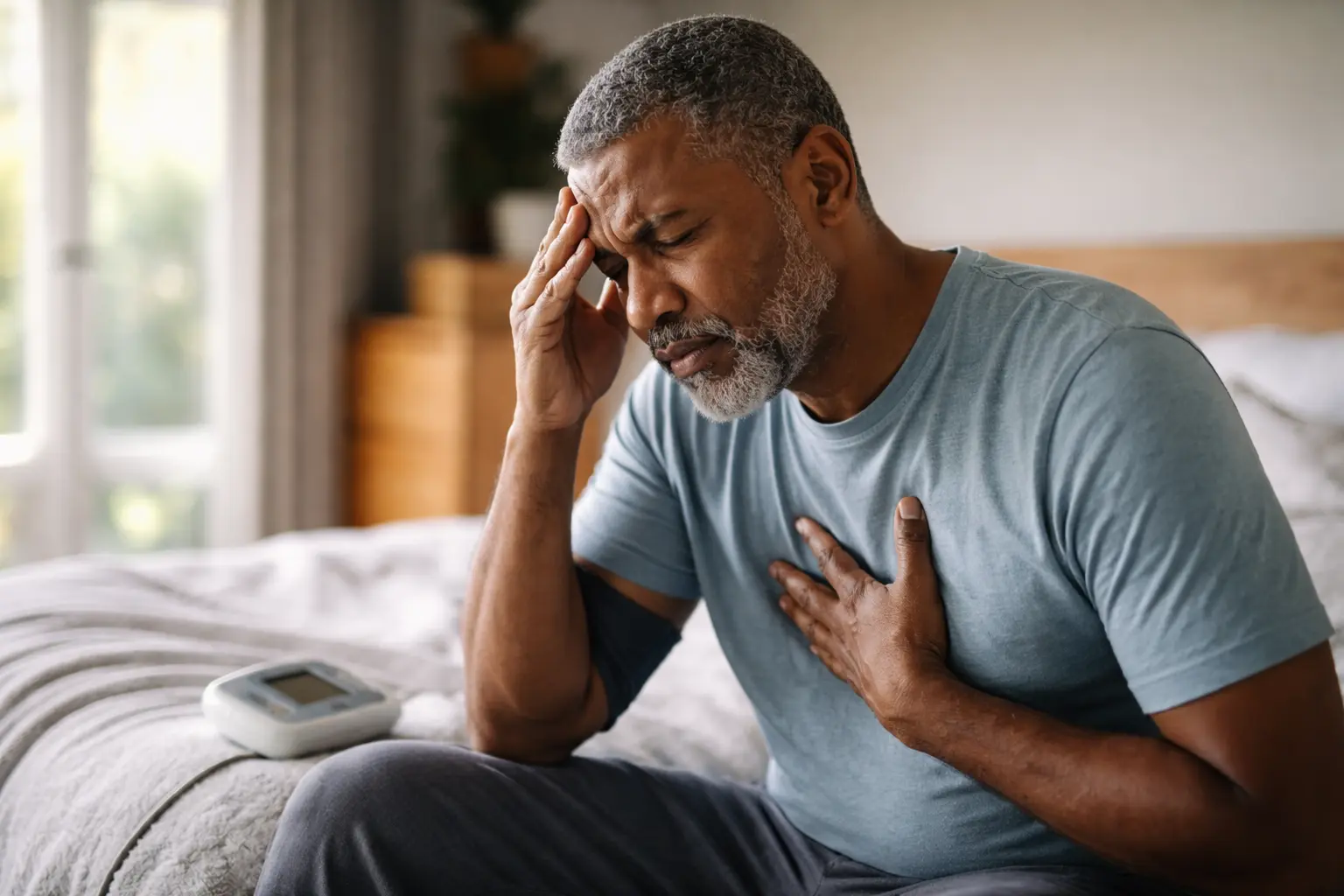
Your face suddenly feels heavy on one side, your words come out slurred, and your arm goes weak – these aren’t signs you can ignore, and knowing how to spot stroke symptoms fast could literally save your life or someone else’s.
Recognizing stroke symptoms
The FAST acronym is your lifeline when every second matters. Face drooping means looking in a mirror and checking if one side of your face sags or feels numb – ask yourself to smile and see if it’s uneven. Arm weakness shows up as sudden heaviness or inability to lift one arm, sometimes you’ll notice it when reaching for your phone or coffee cup. Speech difficulty isn’t just slurred words; it’s confusion, trouble finding words, or sounding like you have marbles in your mouth. Time to call emergency services means the moment you notice any of these signs, you pick up the phone. Don’t second-guess yourself. Don’t wait to see if it passes. Women sometimes dismiss these symptoms as stress or fatigue, but that hesitation costs precious minutes. A woman in her 50s might feel numbness creeping up her left leg while cooking dinner and think it’s just standing too long, when it’s actually a stroke beginning. Call 911 immediately. The window for treatment is narrow, and every minute your brain goes without blood flow, thousands of cells die.
- Sudden numbness or weakness in the face, arm, or leg, especially on one side of the body
- Confusion, trouble speaking, or difficulty understanding speech
- Severe headache with no known cause
- Sudden loss of balance, dizziness, or difficulty walking
- Sudden vision problems in one or both eyes
Understanding risk factors
Your personal risk profile matters more than you might think. High blood pressure is the biggest culprit – it damages blood vessel walls over time, making clots more likely. Smoking narrows your arteries and thickens your blood, doubling your stroke risk. Diabetes affects how your body manages blood sugar and damages blood vessels from the inside out. Obesity puts extra strain on your heart and increases inflammation throughout your body. But here’s what many women don’t realize: hormonal factors matter too. Birth control pills slightly increase stroke risk, especially if you smoke or have migraines with aura. Atrial fibrillation, an irregular heartbeat, creates conditions where blood pools and clots form. High cholesterol silently builds plaque in your arteries. A 45-year-old woman with diabetes and high blood pressure who smokes is at significantly higher risk than someone without these factors. Knowing your numbers – your blood pressure, cholesterol levels, blood sugar – gives you power. Track them regularly. Talk to your doctor about your specific risk profile. Managing even one risk factor can reduce your stroke probability meaningfully.
📘 Fix your day in under 2 minuteschoose where to begin:
Seeking immediate medical attention
When stroke symptoms appear, hesitation is dangerous. Call 911, not your doctor or a friend to drive you. Emergency responders can start treatment in the ambulance and alert the hospital so they’re ready when you arrive. Time determines treatment options – clot-busting medications work best within the first few hours, and some advanced procedures have even tighter windows. Tell the dispatcher exactly what you’re experiencing and when it started, because doctors need to know the precise timeline. A woman who wakes up with stroke symptoms needs to know that even if she’s not sure exactly when it started, she should still go to the hospital immediately. Don’t minimize what you’re feeling to seem tough or avoid being a burden. Don’t wait for symptoms to worsen before calling. Don’t try home remedies or wait to see if rest helps. The emergency room will run CT scans and blood tests to confirm a stroke and determine the best treatment. Some women worry about false alarms, but hospitals would rather evaluate you and find nothing wrong than have you stay home and suffer permanent brain damage. Your life is worth the trip.
Recovery and rehabilitation
After a stroke, your brain begins rewiring itself immediately. Physical therapy helps you relearn movements – walking, reaching, gripping. Speech therapy addresses communication and swallowing difficulties that many stroke survivors face. Occupational therapy teaches you how to manage daily tasks like dressing, bathing, and cooking with any remaining limitations. Cognitive therapy helps with memory, attention, and processing speed if your thinking feels foggy. Recovery isn’t linear – some days feel like progress, other days feel like setbacks. A woman in her 60s might spend weeks learning to walk again, then hit a plateau, then suddenly improve. Patience and consistency matter more than intensity. Working with a rehabilitation team gives you structure and professional guidance, but your own effort drives results. Home exercises between therapy sessions are crucial. Family support makes a real difference – having someone to encourage you, help you stay accountable, and celebrate small victories. Recovery can take months or years, and some effects may be permanent, but many stroke survivors regain significant function and independence through dedicated rehabilitation.
Prevention strategies
Prevention starts with the basics: move your body regularly, aim for at least 150 minutes of moderate activity weekly, whether that’s brisk walking, swimming, or cycling. Eat a diet rich in vegetables, fruits, whole grains, and lean proteins while limiting salt, sugar, and saturated fats. Maintain a healthy weight – even losing 5 to 10 percent of your body weight if you’re overweight can lower your stroke risk. Manage stress through meditation, yoga, time in nature, or whatever calms your nervous system. Stop smoking completely – quitting is the single most impactful change a smoking woman can make. Limit alcohol to no more than one drink daily. Monitor your blood pressure at home if you have hypertension, and take medications exactly as prescribed. Control your blood sugar if you’re diabetic. Know your cholesterol numbers and work with your doctor to keep them in healthy ranges. Regular check-ups catch problems early. A woman who implements even three of these strategies – say, adding daily walks, cutting back salt, and quitting smoking – significantly reduces her stroke risk. Prevention isn’t about perfection; it’s about consistent, sustainable choices that protect your brain and heart.
Recognizing stroke symptoms fast using the FAST method, understanding your personal risk factors, calling emergency services immediately, committing to rehabilitation if needed, and building prevention habits into your daily life are the core elements of stroke awareness and protection. Women often delay seeking help or minimize symptoms, but your instinct matters. If something feels wrong, it probably is. Act fast, stay informed, and take your health seriously.
What should I do if I suspect someone is having a stroke?
Use the FAST acronym immediately: check for Face drooping by asking them to smile, test Arm weakness by having them raise both arms, listen for Speech difficulty by asking them to repeat a simple phrase, and note the Time you first noticed symptoms. Call 911 right away. Do not drive them yourself. Stay calm, keep them comfortable, and stay with them until paramedics arrive. Tell emergency responders the exact time symptoms started, as this affects treatment options.
Can strokes be prevented?
While strokes cannot always be prevented, you can significantly reduce your risk by managing controllable factors. Maintain healthy blood pressure, quit smoking, control diabetes and cholesterol, eat a balanced diet, exercise regularly, maintain a healthy weight, manage stress, and limit alcohol. Regular health check-ups help catch problems early. Women should also discuss hormonal factors like birth control with their doctor. Even small lifestyle changes add up to meaningful protection.
Others also read:
Disclaimer: This article is for informational purposes only and is not a substitute for professional medical advice. Always consult a healthcare professional for personal guidance.
This guide has been prepared and reviewed by the GlobalHealthBeacon editorial team and reflects current medical research as of 2026. It provides structured, evidence-based information to support informed health decisions.
