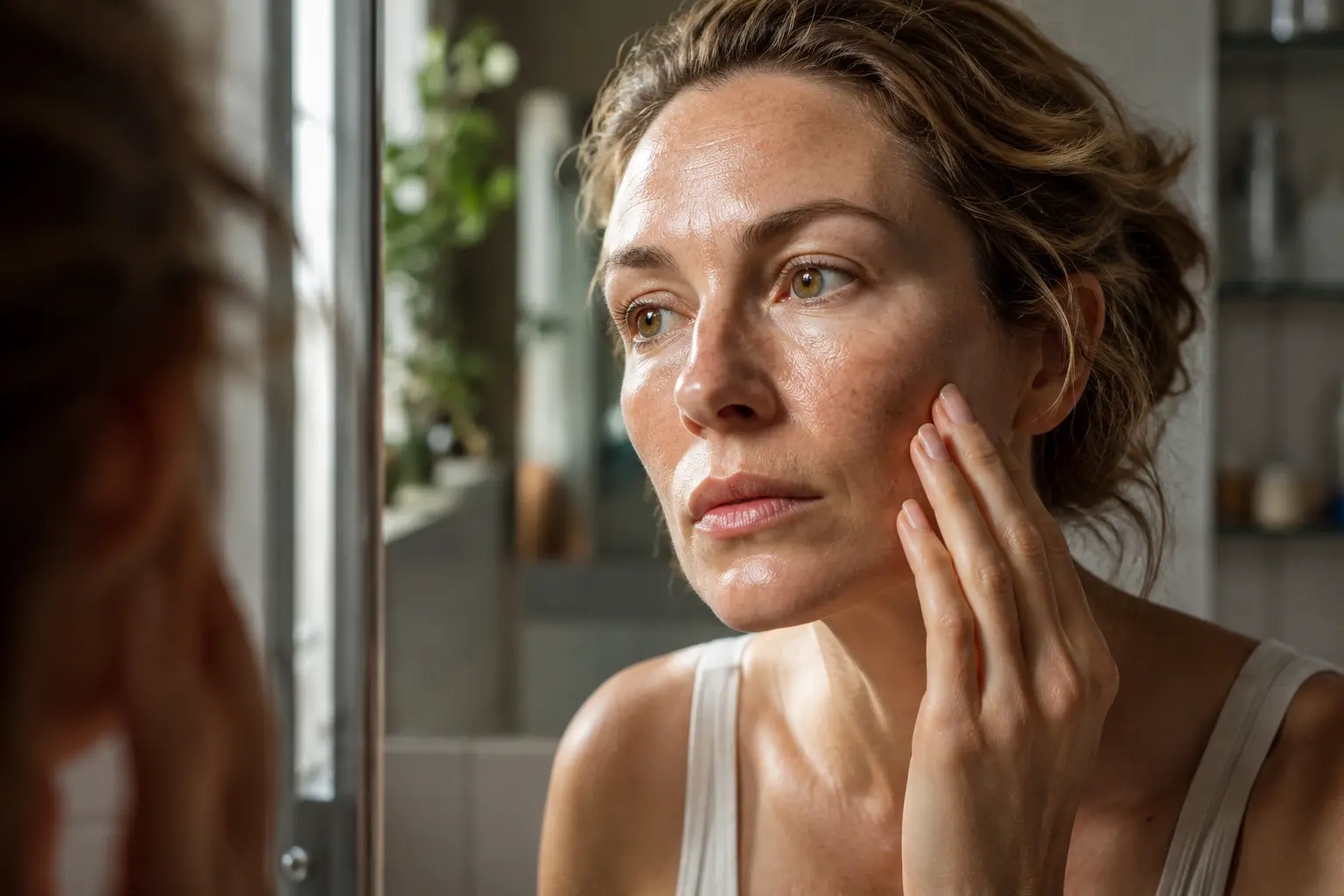
Your skin feels rough, those brown spots won’t fade, and fine lines seem to multiply every summer – sun damage repair routine is no longer optional, it’s survival.
Understanding sun damage
Sun damage occurs when ultraviolet (UV) rays penetrate the skin, causing mutations in the DNA of skin cells. This damage leads to visible signs such as wrinkles, age spots, and a leathery texture. Think of UV rays as tiny bullets hitting your skin cells millions of times daily. When you spend a day at the beach without protection, you’re exposing your skin to concentrated UV radiation that damages the cellular structure beneath the surface. Women often notice this damage appearing around age 40 to 50, though it can start accumulating in your 20s and 30s without protection. The damage isn’t just cosmetic – it affects the skin’s ability to retain moisture and maintain its firmness. For example, a woman who spent her teenage years tanning might see significant age spots and leathery texture by her 50s, while her protected counterpart shows minimal signs. The process is cumulative, meaning each unprotected sun exposure adds to the damage already present in your skin.
Skin repair mechanisms
The skin has natural repair mechanisms like DNA repair enzymes and antioxidant defense systems to counteract the effects of sun damage. However, excessive UV exposure can overwhelm these mechanisms. Your body naturally produces enzymes called nucleotide excision repair (NER) that work to fix UV-damaged DNA in skin cells. Think of these as your skin’s internal repair crew, working 24/7 to patch up damage. Additionally, your skin produces antioxidants like glutathione and superoxide dismutase that neutralize free radicals created by UV exposure. When you’re young, these systems work efficiently, which is why teenagers can tan without immediate visible consequences. But as you age, these repair mechanisms slow down significantly. By age 50, your skin’s repair capacity is roughly 50% less efficient than it was at 25. This is why a 55-year-old woman might develop age spots from sun exposure that a 25-year-old wouldn’t. Environmental stressors like pollution, stress, and poor sleep further deplete these natural defenses, making sun protection increasingly important as you get older.
Research-backed strategies
Daily sunscreen use is the foundation of any sun damage repair routine, but it works best when combined with antioxidant skincare and proper hydration. Broad-spectrum sunscreen with SPF 30 or higher blocks both UVA and UVB rays, preventing new damage while your skin repairs existing damage. Vitamin C serums work by neutralizing free radicals and stimulating collagen production, helping your skin rebuild itself from within. A typical routine might look like this: after cleansing, apply vitamin C serum while skin is still slightly damp to enhance absorption, wait two minutes, then apply a lightweight moisturizer. In the morning, finish with sunscreen. Many women see visible improvements in skin texture and brightness within 4 to 6 weeks of consistent use. Vitamin E and niacinamide are equally powerful antioxidants that strengthen your skin barrier and reduce inflammation. Hydration is critical because damaged skin loses moisture rapidly, making it appear more wrinkled and aged. A woman in her 60s who starts this routine consistently often reports that fine lines appear softer and age spots fade gradually over several months.
- Apply a broad-spectrum sunscreen with SPF 30 or higher every morning, waiting 15 minutes after application before sun exposure to allow it to set properly on your skin.
- Use a vitamin C serum in the morning after cleansing to neutralize free radicals and boost collagen production, applying it to damp skin for better absorption.
- Moisturize your skin regularly with a hydrating cream or serum to improve hydration levels and strengthen your skin barrier against further environmental damage.
🔬 Science-backed benefits in 2 minuteschoose where to begin:
Advanced treatments
Advanced treatments like chemical peels, microdermabrasion, and laser therapy can help repair sun damage by promoting skin cell turnover and collagen production. Chemical peels use acids to remove the damaged outer layer of skin, revealing fresher skin beneath. A glycolic acid peel might be gentle enough for monthly use, while a TCA peel is stronger and typically done once or twice yearly under professional supervision. Microdermabrasion physically exfoliates the skin using tiny crystals or a diamond-tipped wand, stimulating the skin’s natural healing response. Laser treatments like fractional CO2 lasers are particularly effective for deep wrinkles and age spots, working by creating controlled micro-injuries that trigger collagen remodeling. A woman with significant sun damage might see dramatic improvements after a series of laser treatments, though results take 3 to 6 months to fully develop as collagen rebuilds. These treatments work best when combined with a strong sun protection routine afterward, as newly treated skin is extremely vulnerable to further UV damage. Many dermatologists recommend starting with gentler options and progressing to stronger treatments based on individual results and skin tolerance.
Lifestyle changes
Adopting a healthy lifestyle with a balanced diet, regular exercise, and avoiding excessive sun exposure can aid in sun damage repair and prevent further skin damage. Antioxidant-rich foods like berries, leafy greens, and fatty fish provide internal support for your skin’s repair mechanisms. Omega-3 fatty acids found in salmon and walnuts help maintain skin barrier function and reduce inflammation. Regular exercise increases blood flow to the skin, delivering oxygen and nutrients that support collagen production and cellular repair. Even 30 minutes of moderate activity most days can improve skin health noticeably. Sleep is equally important – during deep sleep, your body increases blood flow to the skin and rebuilds collagen. A woman who prioritizes 7 to 8 hours of quality sleep often sees improvements in skin texture and a reduction in fine lines within weeks. Limiting alcohol and avoiding smoking are crucial, as both deplete antioxidants and accelerate skin aging. Sun avoidance during peak hours (10 AM to 4 PM) and wearing protective clothing like wide-brimmed hats and UV-blocking clothing provides physical barriers that no skincare product can match. These lifestyle factors work synergistically with topical treatments to maximize repair.
Consulting a dermatologist
For severe sun damage, consulting a dermatologist for personalized treatment options like prescription-strength retinoids or laser resurfacing can effectively repair sun-damaged skin. A dermatologist can assess the depth and extent of your damage and recommend a tailored treatment plan. Prescription retinoids like tretinoin are significantly more potent than over-the-counter retinol, accelerating cell turnover and collagen production. A woman starting tretinoin might experience initial redness and peeling for 2 to 4 weeks as her skin adjusts, but results become visible after 8 to 12 weeks of consistent use. Laser resurfacing removes layers of damaged skin and stimulates deep collagen remodeling, making it ideal for extensive wrinkles and age spots. Professional treatments also include options like intense pulsed light (IPL) therapy for age spots and radiofrequency treatments for skin tightening. A dermatologist can also identify precancerous lesions like actinic keratosis that require treatment. During your consultation, discuss your sun damage history, current skincare routine, and realistic expectations. Professional guidance ensures you receive evidence-based treatments suited to your specific skin type and damage severity, maximizing results while minimizing risks.
Understanding the mechanisms of sun damage and implementing research-backed strategies like sunscreen use, antioxidants, and moisturization can help repair and rejuvenate sun-damaged skin effectively.
Can sun damage be reversed?
While it’s not possible to completely reverse sun damage, incorporating skincare products with antioxidants and sunscreen can help repair and minimize its effects.
How often should I apply sunscreen to repair sun damage?
Apply sunscreen with at least SPF 30 every morning and reapply every 2 hours if you’re outdoors to protect your skin from further sun damage.
Others also read:
Disclaimer: This article is for informational purposes only and is not a substitute for professional medical advice. Always consult a healthcare professional for personal guidance.
This article has been prepared and reviewed by the GlobalHealthBeacon editorial team and is based on current medical research and published scientific literature available in 2026. It provides structured, evidence-based information to support informed health decisions.
