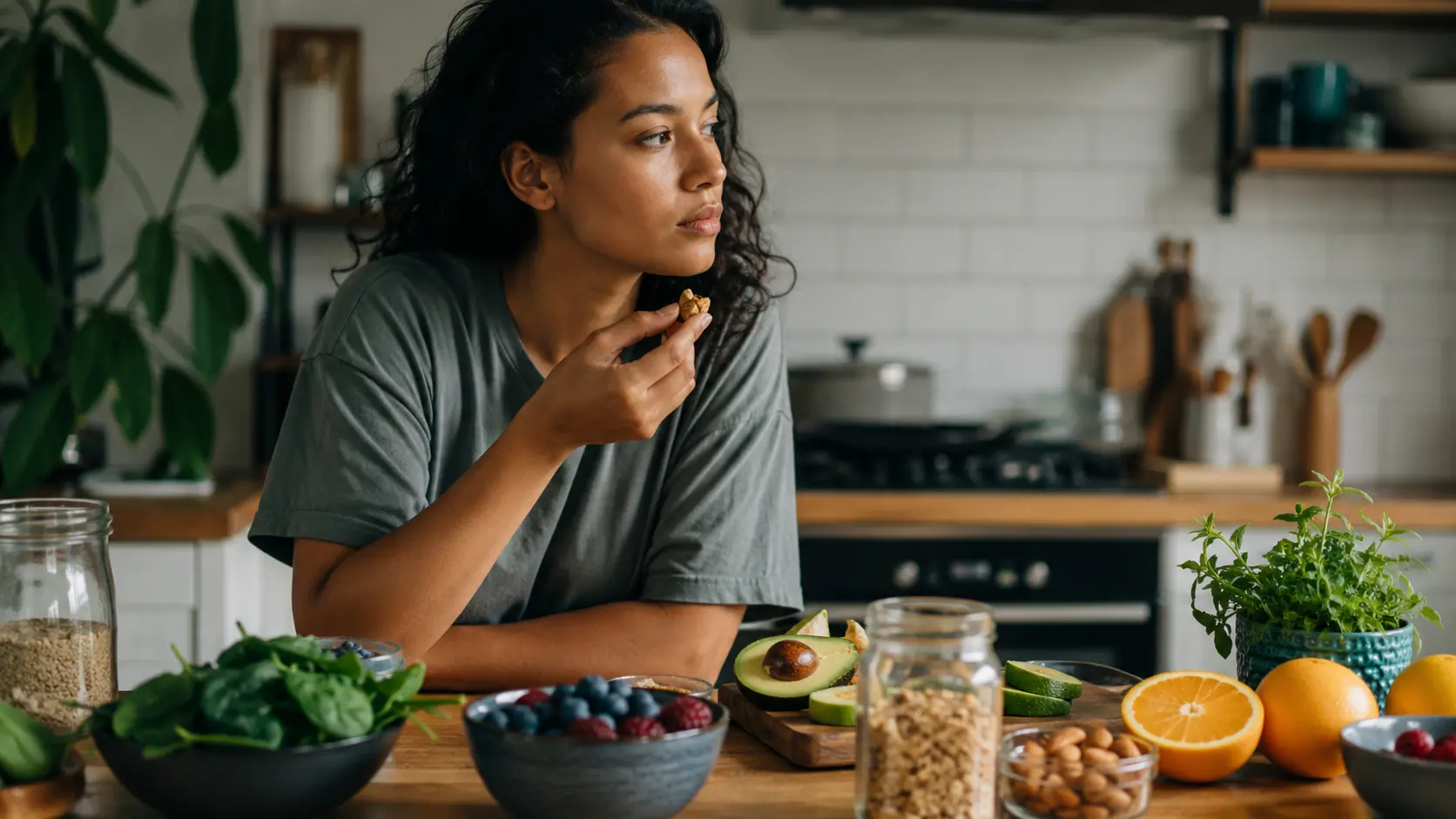
You wake up exhausted, your energy drained before noon, and you’re starting to wonder if there’s actually something that could genuinely help you feel more like yourself again—and that’s exactly where superfoods for daily health come in, promising to be the missing piece you’ve been searching for.
The superfood buzz: separating fact from fiction
Walk into any grocery store these days and you’ll find an entire aisle dedicated to foods claiming to be nutritional miracles. Acai bowls, kale chips, goji berries, chia seeds—each one arrives with its own glossy packaging and bold promises. When you’re in your sixties or seventies, you’ve likely seen dozens of health trends come and go, so it’s natural to feel skeptical. The truth is, not every superfood lives up to its reputation. Some genuinely do pack impressive nutrient density, while others are simply riding a wave of marketing genius. Take kale, for instance—it really is rich in vitamins and minerals, but so is regular spinach or collard greens, which cost half the price. The real story isn’t about finding one magical food that transforms your health overnight. It’s about understanding which foods actually deliver meaningful nutrition for your body, and which ones are just expensive placeholders in your shopping cart.
- Not all superfoods are created equal – some may offer more benefits than others.
- Incorporating a variety of superfoods into your diet can provide a holistic approach to better health.
- It’s essential to balance superfoods with a well-rounded diet for optimal results.
Practical tips for superfood integration
Here’s the thing about adding superfoods to your routine: complexity is your enemy. You don’t need an elaborate meal plan or special equipment. Start small and build from there. That handful of blueberries you toss into your morning oatmeal? That counts. The frozen spinach you blend into your smoothie so you barely taste it? Perfect. A friend of mine, Margaret, was convinced she needed to overhaul her entire diet. She bought expensive powders, exotic seeds, and specialty grains. Within two weeks, most of it sat unused in her pantry. Then she switched tactics: she simply added one extra vegetable to her dinner plate each night and kept a bowl of walnuts on her kitchen counter for snacking. Within a month, she noticed her afternoon slump wasn’t as severe. Small, consistent changes work better than dramatic overhauls, especially when you’re trying to build habits that actually stick around.
💬 Ready to feel better in 2 minutes?choose where to begin:
Navigating the marketing maze: choosing the right superfoods
Marketing departments spend millions convincing you that obscure berries from distant mountains hold the secret to eternal youth. Don’t fall for it. The most powerful superfoods are often the ones sitting in your local grocery store for a few dollars. Look for whole foods that are minimally processed—the closer to their natural state, the better. When you see a product with a long list of ingredients you can’t pronounce, that’s usually a red flag. Real superfoods don’t need a complicated ingredient list. Consult with a nutritionist or your healthcare provider about what actually makes sense for your specific situation. Your body isn’t the same as your neighbor’s, and what works brilliantly for someone else might not be the best choice for you. They can help you identify which superfoods align with your health goals, any dietary restrictions you have, and your budget.
Sustainable superfood practices for long-term health
Here’s what separates people who see real health improvements from those who abandon their efforts after a few weeks: sustainability. You could eat the world’s most nutrient-dense foods for a month and then quit, or you could find superfoods you actually enjoy eating and make them part of your regular rotation. Think about what you genuinely like. If you hate blueberries, don’t force them down just because they’re trendy. Try raspberries or blackberries instead. If kale makes you gag, sweet potato or broccoli might be your answer. The goal isn’t perfection; it’s consistency. One apple every single day beats a week of superfood obsession followed by months of nothing. Focus on building a sustainable approach that feels natural within your life, not like an exhausting chore. Small changes made consistently—a habit you can maintain for years—will deliver far more benefit than any short-term superfood sprint ever could.
Superfoods for daily health offer real potential to enhance your well-being, but the key is cutting through the marketing noise and focusing on what actually works for your body and lifestyle. By thoughtfully integrating a variety of nutrient-dense foods into your diet in a way that feels manageable and sustainable, you can experience genuine improvements in your energy, vitality, and overall health without chasing every new trend that comes along.
Are superfoods a quick fix for health issues?
Superfoods are not a quick fix and should be viewed as part of a balanced, holistic approach to health and wellness. Incorporating them into your diet, along with other healthy habits, can contribute to improved overall well-being.
How can I distinguish real superfoods from marketing gimmicks?
Real superfoods are whole, minimally processed foods that offer nutrient-dense benefits. Be cautious of exaggerated health claims and opt for natural options backed by scientific research and expert recommendations.
Others also read:
Disclaimer: This article is for informational purposes only and is not a substitute for professional medical advice. Always consult a healthcare professional for personal guidance.
This article presents an experience-based perspective and has been reviewed by the GlobalHealthBeacon editorial team in 2026. It provides structured, evidence-based information to support informed health decisions.
