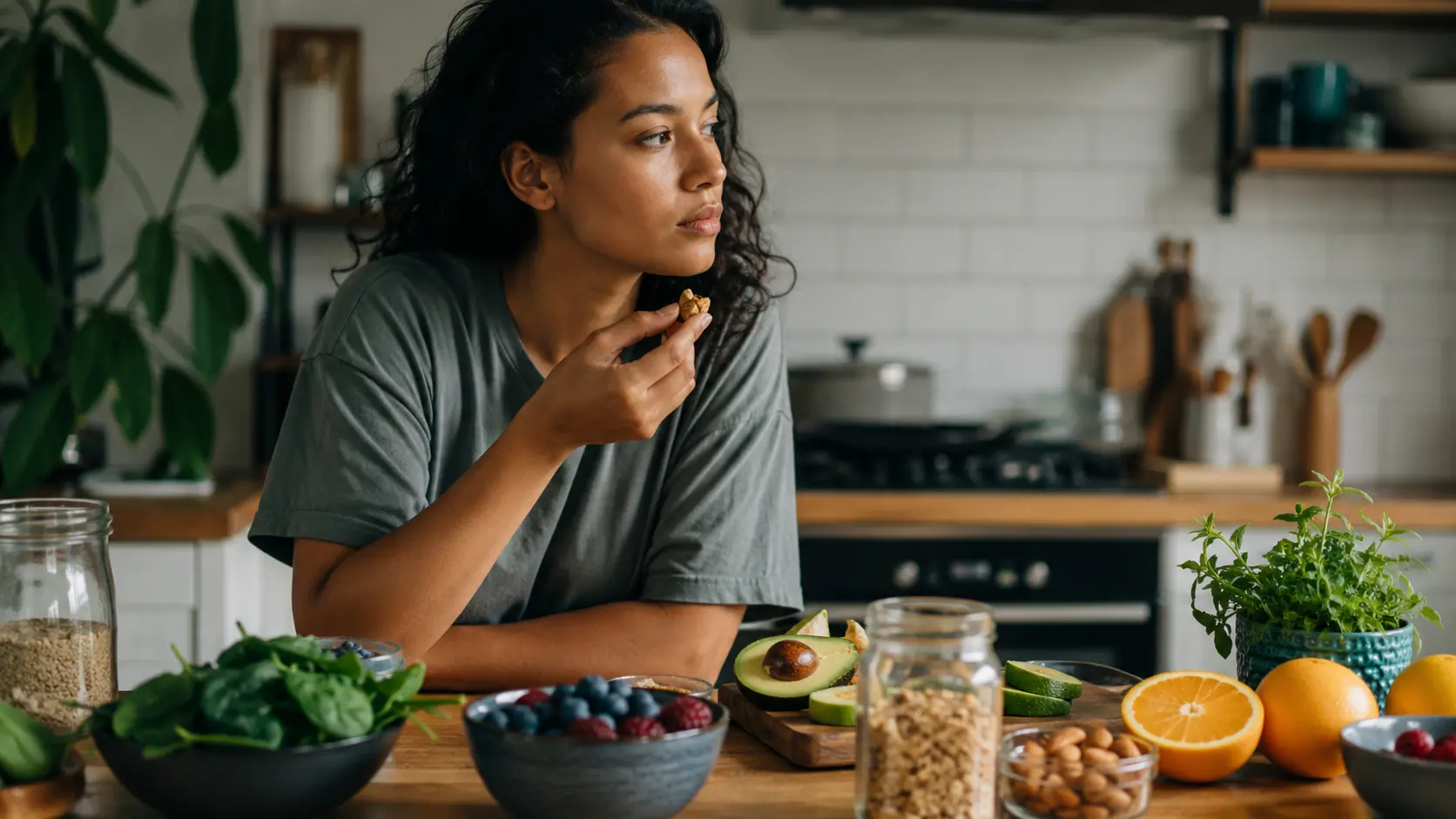
Tired of feeling sluggish and watching your energy drain before lunch, wishing there was actually something you could eat that would make a real difference in how you feel every single day? Superfoods for daily health aren’t just hype, they’re the practical, delicious solution seniors are using right now to reclaim their vitality.
Acai berries: The antioxidant powerhouse
Rich in antioxidants, acai berries have become a go-to choice for seniors looking to strengthen their immune defenses naturally. These small dark berries pack more antioxidant punch per serving than most other fruits, helping your body fight off the cellular damage that accumulates over time. Imagine starting your morning with an acai smoothie, blending the berries with Greek yogurt and a handful of granola. Within weeks, many seniors report feeling more energized and noticing their skin has a healthier appearance. The key is consistency, not perfection. You don’t need exotic acai bowls from trendy cafes, just frozen acai packets from your grocery store blended into whatever you’re already eating. Some seniors add acai to their oatmeal, others mix it into cottage cheese for an afternoon snack. The mistake many make is buying acai and then letting it sit in the freezer unused. Start small, use it regularly, and you’ll feel the difference.
- Supports immune function
- Combat inflammation
- Promotes heart health
Kale: The nutrient-rich green
Packed with vitamins A, C, and K, along with fiber and calcium, kale is a superfood that directly supports digestion and bone strength, two things that matter deeply as you age. Think of kale as nutritional insurance for your skeleton and your gut. A 72-year-old woman we know started adding just a small handful of chopped kale to her evening salad three times a week. Within two months, her digestion improved noticeably and her energy levels stabilized. The common mistake is buying a whole bunch of kale and watching it wilt in the crisper drawer. Instead, buy smaller amounts more frequently, or try pre-washed kale salad mixes to reduce prep friction. Massage the leaves gently with a bit of olive oil and lemon juice to soften them if you find raw kale too tough. You can also sauté kale with garlic for a warm side dish that pairs with any protein. The point is finding your way to eat it consistently, not forcing yourself to choke down something you dislike.
📘 Fix your day in under 2 minuteschoose where to begin:
Salmon: The omega-3 source
High in omega-3 fatty acids, salmon is excellent for brain health and reducing the risk of heart disease, two priorities that become increasingly important with age. Picture yourself enjoying a grilled salmon fillet with roasted vegetables twice a week. That simple habit delivers the omega-3s your brain needs to stay sharp and your heart needs to keep beating strong. A 68-year-old retired teacher started eating salmon every Friday night and noticed within a month that his memory felt sharper during his volunteer tutoring sessions. The practical approach is to buy salmon on sale, portion it into individual servings, and freeze what you won’t use immediately. This removes the excuse of it being too expensive or inconvenient. Baked salmon takes just 15 minutes in a 400-degree oven with lemon and herbs. Canned salmon works too if fresh feels overwhelming, and it’s often cheaper. The mistake seniors often make is thinking they need to eat salmon every day, when twice weekly is genuinely enough to see real benefits.
Blueberries: The brain boosters
Blueberries are loaded with antioxidants and have been linked to improved memory and cognitive function, making them a natural choice for anyone concerned about keeping their mind sharp. These small berries contain compounds that specifically protect brain cells from aging and decline. A 70-year-old grandmother started adding a handful of fresh blueberries to her morning oatmeal and noticed within six weeks that she was remembering names and details more easily. The beauty of blueberries is their flexibility and year-round availability. Fresh blueberries in summer, frozen in winter, they work equally well. Keep a bag of frozen blueberries in your freezer and toss them into smoothies, yogurt, or oatmeal without any prep work. The common mistake is assuming you need to eat them plain or in expensive smoothie bowls. Just add them to what you’re already eating. Some seniors even enjoy them straight from the freezer as a refreshing snack on warm afternoons. The key is making them so convenient that eating them becomes automatic, not something you have to remember or plan for.
Greek yogurt: The probiotic partner
Greek yogurt is a probiotic-rich superfood that supports gut health and aids in digestion, two foundational elements of overall wellness that many seniors overlook. Your digestive system and gut bacteria influence everything from your immune response to your mood, making this food genuinely important. A 75-year-old man who struggled with occasional digestive discomfort started eating a small bowl of plain Greek yogurt with berries after lunch each day. Within three weeks, his digestion felt noticeably smoother and more predictable. The practical reality is that not all Greek yogurt is created equal. Choose plain, unsweetened varieties and add your own honey or fruit rather than buying flavored versions loaded with added sugar. A single serving of plain Greek yogurt with a spoonful of honey and some blueberries gives you probiotics, protein, and natural sweetness without the processed ingredients. The mistake many make is buying Greek yogurt and then not eating it because it tastes too tart. Start with a little honey or jam mixed in, then gradually reduce the sweetness as your palate adjusts. Make it a daily habit at the same time each day, and it becomes as automatic as brushing your teeth.
Exploring the top superfoods for daily health, seniors can benefit from incorporating acai berries for antioxidants, kale for nutrients, salmon for omega-3s, blueberries for brain health, and Greek yogurt for probiotics. The real power comes not from perfection but from consistency, choosing foods you actually enjoy eating, and building them into your existing routines rather than creating entirely new habits.
Are superfoods suitable for daily consumption for seniors?
Yes, superfoods like acai berries, kale, salmon, blueberries, and Greek yogurt are safe and beneficial for seniors to include in their daily diet, promoting overall health and well-being. Most seniors can eat these foods daily without concern, though those on blood thinners should discuss kale intake with their doctor due to vitamin K content.
How can seniors incorporate superfoods into their meals easily?
Seniors can easily incorporate superfoods into their daily meals by adding them to smoothies, salads, oatmeal, or enjoying them as snacks throughout the day, making healthy eating effortless and enjoyable. The key is removing friction, buying pre-prepped versions when needed, and attaching these foods to existing meal routines rather than creating separate new habits.
Others also read:
Disclaimer: This article is for informational purposes only and is not a substitute for professional medical advice. Always consult a healthcare professional for personal guidance.
This guide has been prepared and reviewed by the GlobalHealthBeacon editorial team and reflects current medical research as of 2026. It provides structured, evidence-based information to support informed health decisions.
