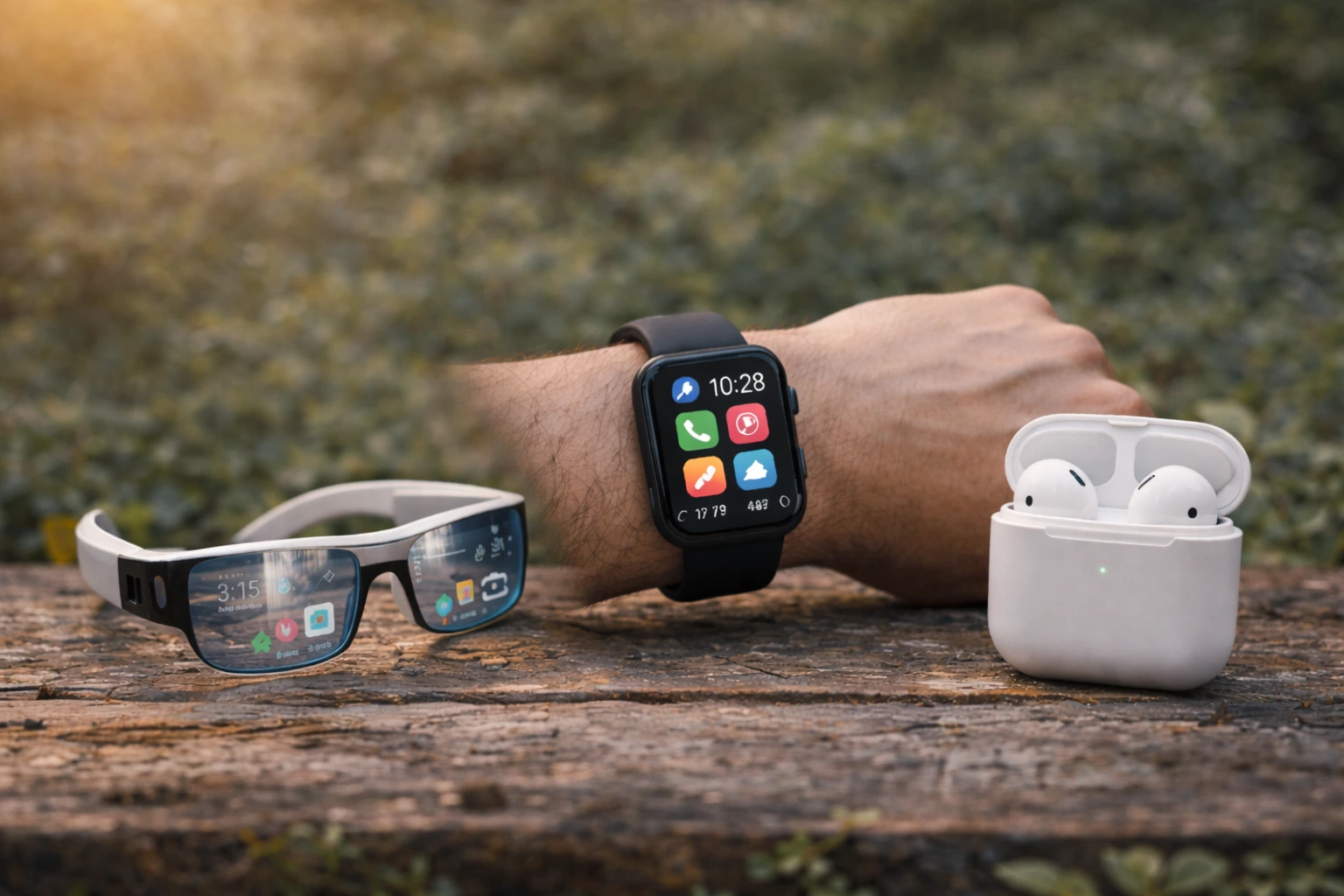
Your phone just got smarter, your watch tracks your heartbeat, and now your home talks back to you, but nobody explained how any of it actually works or why you need it, and that feeling of being left behind is completely normal and fixable.
Understanding next-gen mobile tech
Technology moves fast, and what you knew about phones five years ago might feel outdated now. Next-gen mobile tech refers to the newer devices and systems that go beyond simple calling and texting. Think of it this way: your old flip phone was designed to do one job well. Today’s devices are designed to be your health monitor, your entertainment hub, your connection to family, and your personal assistant all rolled into one. For example, a modern smartphone can detect if you fall, alert your doctor to irregular heart rhythms, remind you to take medications, and let you video call your grandchildren across the world simultaneously. The shift happened gradually, but the capabilities expanded dramatically. Understanding what these devices do and why they matter helps you decide which ones fit your lifestyle. You don’t need every gadget available, but knowing what’s possible helps you make choices that actually improve your daily life rather than complicate it.
- Explore the latest trends in mobile technology
- Understand the benefits of upgrading to next-gen devices
- Discover the functionalities that make these gadgets stand out
Navigating the world of smartphones and smartwatches
Smartphones have evolved into devices that do far more than make calls. A modern smartphone can manage your health data, keep you connected to loved ones through video calls and messaging, handle your banking, and even serve as your emergency alert system. Consider Margaret, a 72-year-old who uses her smartphone to check her blood pressure daily through a connected app, shares photos with her grandchildren instantly, and has her phone set to alert her daughter if she falls. Smartwatches take this further by sitting on your wrist, monitoring your heart rate continuously, tracking your daily steps, and sending you gentle reminders to move around. The key is learning which features matter most to you. If you live alone, fall detection might be critical. If you travel to see family, video calling becomes essential. If you manage multiple medications, reminder notifications save you from missed doses. Start by identifying what would genuinely improve your day, then explore devices built for that purpose. Most modern devices have accessibility settings designed specifically for older adults, including larger text, voice control, and simplified interfaces.
📘 Fix your day in under 2 minuteschoose where to begin:
Embracing virtual assistants and home automation
Virtual assistants like Amazon Alexa and Google Assistant are voice-controlled computers that live in your home and respond to spoken commands. Instead of fumbling with buttons or screens, you simply say what you need. Imagine standing in your kitchen with wet hands and asking Alexa to call your doctor’s office, set a timer for your medication, or turn on the bedroom light. For someone with arthritis or limited mobility, this voice control becomes genuinely life-changing. Home automation devices work alongside these assistants, allowing you to control lights, thermostats, door locks, and security cameras from your phone or by voice command. A practical example: Robert, 78, uses voice commands to adjust his home temperature without bending to reach the thermostat, lock his front door from bed at night, and turn on hallway lights when he gets up at 2 a.m. The common mistake people make is buying too many devices at once and feeling overwhelmed. Start with one assistant device and one or two automation tools, learn them thoroughly, then expand if you find them genuinely helpful. Many devices are designed with seniors in mind, featuring large buttons, clear displays, and straightforward setup processes.
Diving into wearable health tech and fitness trackers
Wearable health devices are small gadgets you wear on your wrist or body that continuously monitor your physical activity, heart rate, sleep quality, and sometimes blood oxygen levels. Unlike visiting a doctor once yearly, these devices give you daily insights into your health patterns. Consider Thomas, 75, who discovered through his fitness tracker that his heart rate was irregularly elevated during certain times of day, prompting him to contact his doctor and receive treatment for a condition he didn’t know he had. Fitness trackers aren’t about competing in marathons; they’re about understanding your baseline and noticing changes. They remind you to stand up after sitting too long, celebrate when you hit your daily step goal, and provide data you can share with your healthcare provider. The mistake many seniors make is setting unrealistic goals or ignoring the data. Instead, use these devices to understand your natural patterns, set modest targets that feel achievable, and focus on consistency rather than perfection. Modern wearables are designed to be simple, with large displays, one-touch operation, and automatic syncing to your phone. They can also send alerts if they detect concerning patterns, giving you peace of mind and potentially early warning of health changes.
Exploring augmented reality and virtual reality experiences
Augmented reality (AR) and virtual reality (VR) sound futuristic and complicated, but they’re becoming practical tools for seniors. AR overlays digital information onto the real world you see through your phone or special glasses. For instance, pointing your phone at a restaurant menu can instantly enlarge the text and show nutritional information. VR creates immersive experiences where you can explore places, practice activities, or learn new skills in a safe environment. Imagine Eleanor, 80, using VR to revisit the Louvre Museum in Paris from her living room, or practicing physical therapy exercises in an engaging virtual environment that makes rehabilitation feel less like work and more like a game. These technologies are increasingly used in healthcare for pain management, cognitive training, and physical rehabilitation. The practical benefit for seniors is that they make learning, entertainment, and therapy more engaging and accessible. You don’t need expensive equipment; many experiences work with a smartphone and an inexpensive headset. The key is starting small with applications designed for your interests, whether that’s exploring travel destinations, learning new hobbies, or participating in guided wellness programs. As these technologies become more mainstream, they’re being specifically designed with older adults in mind, featuring larger text, clearer instructions, and content that resonates with your generation.
This guide walks you through the major categories of next-gen mobile technology designed to enhance your daily life and health. From smartphones that monitor your wellbeing to virtual assistants that respond to your voice, from wearable devices that track your activity to immersive experiences that expand your world, each technology serves a specific purpose. The goal isn’t to adopt everything at once but to understand what’s available and choose tools that genuinely improve your independence, safety, and connection to others. Start with one device, learn it thoroughly, and expand only when you feel confident. Modern technology is increasingly designed with accessibility and simplicity in mind, recognizing that older adults deserve tools that work for them, not against them.
Are next-gen mobile devices user-friendly for seniors?
Yes, many manufacturers now prioritize simplicity and accessibility in their designs, making next-gen mobile devices intuitive for seniors to use. Look for devices with large displays, voice control options, simplified menus, and accessibility features like text enlargement and high contrast modes.
How can I ensure the security of my data on these advanced gadgets?
By setting up secure passwords, enabling two-factor authentication, and regularly updating your devices, you can enhance the security of your data on next-gen mobile tech. Additionally, be cautious about which apps you download, review privacy settings regularly, and never share personal information through unsecured connections.
Others also read:
Disclaimer: This article is for informational purposes only and is not a substitute for professional medical advice. Always consult a healthcare professional for personal guidance.
This guide has been prepared and reviewed by the GlobalHealthBeacon editorial team and reflects current medical research as of 2026. It provides structured, evidence-based information to support informed health decisions.
