Your phone buzzes every 47 seconds, your notifications are out of control, and you cannot remember the last time you had a conversation without checking your screen, so you are desperately searching for technologies replacing mobile phones that actually work.
Digital detox devices
Digital detox devices like the Light Phone represent a deliberate step backward that feels surprisingly forward. Imagine carrying a device that only calls, texts, and tells time. No apps, no infinite scroll, no algorithmic rabbit holes at 2 AM. Young adults using these devices report a genuine shift in how they experience their day. One user described it as finally being able to sit in a coffee shop without the phantom vibration anxiety. The catch is real though. You lose navigation, mobile banking, and social media access. This works brilliantly if you have a backup smartphone for work or emergencies, but it requires intentional lifestyle design. Many young adults find success by using a detox device on weekends or during travel, creating boundaries without total disconnection. The learning curve is minimal since the interface is so stripped down that there is nothing to learn. What matters most is whether you can genuinely commit to missing out on group chats and Instagram stories.
- Promotes mindfulness and reduced screen addiction
- Limited features encourage a break from constant notifications
- Designed for simplicity and ease of use
Wearable technology
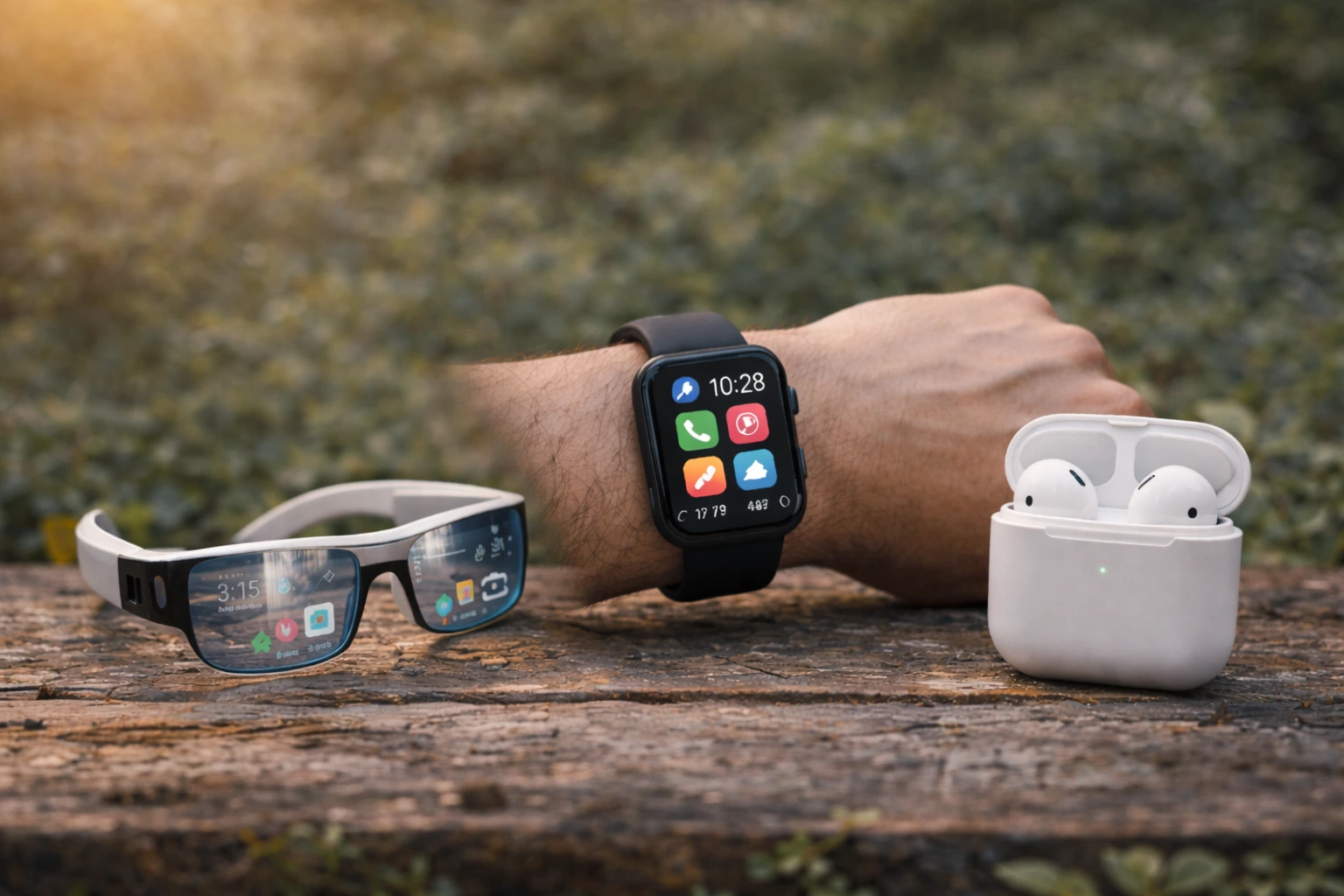
Smartwatches and fitness trackers offer a middle ground that many young adults find more realistic than full detox. Your wrist becomes the interface instead of your pocket. You get notifications, answer calls, and track workouts without the dopamine hit of a full smartphone screen. A typical scenario: you are in a meeting and your watch vibrates with a message. You glance at your wrist, decide if it matters, and move on. Compare that to pulling out your phone and suddenly being three tabs deep into news articles. The technology works best when paired with intentional phone use rather than as a complete replacement. Wearables excel at fitness tracking, quick communication, and time management. The limitation is that you still need a smartphone nearby for most wearables to function properly. Young adults who succeed with this approach treat their watch as a filter, not a substitute. They disable non-essential notifications and use the device to stay connected without staying glued. The real benefit emerges over weeks as you notice your phone stays in your bag longer.
📘 Fix your day in under 2 minuteschoose where to begin:
Multipurpose tablets
Tablets with calling capabilities appeal to young adults who want larger screens for work and creativity but still need communication tools. The strategy here is replacing your pocket device with something that stays on your desk or in a bag. A designer might use an iPad for client work, a student might use it for note-taking and video calls, and a freelancer might appreciate the productivity boost. The challenge is that tablets are not truly portable in the way phones are. You cannot check a message while walking or take a call while commuting without looking awkward. Some young adults solve this by pairing a tablet with a basic phone for calls only. Others use tablets as their primary device at home and a detox phone elsewhere. The real value emerges when you match the device to your actual lifestyle. If you work from home or spend most time at a desk, a tablet replacement makes sense. If you are constantly on the move, it becomes a burden. The screen size genuinely improves focus for creative work, and the separation between work device and communication device can reduce context switching.
Foldable phones
Foldable phones like the Samsung Galaxy Z Fold represent the opposite philosophy from detox devices. Instead of removing features, they expand them. When folded, you have a compact phone. When unfolded, you have a tablet-sized screen. Young adults drawn to this technology typically fall into two camps: those who want the best of both worlds and those who simply love cutting-edge gadgets. The practical benefit is real for specific use cases. Video calls look better on a larger screen. Multitasking becomes genuinely easier. Reading documents feels less cramped. The drawbacks include cost, durability concerns, and the fact that you still have a full smartphone with all its distracting potential. Foldables work best for young adults who have strong self-discipline around notifications and app usage. The larger screen does not magically reduce screen time if you are prone to endless scrolling. What it does offer is flexibility. You can use the compact form for quick tasks and the expanded form for focused work. Many early adopters report that the novelty wears off after a few months, and they fall back into old phone habits. Success depends less on the device and more on your commitment to intentional use.
Future trends in tech
Emerging technologies hint at a future where the smartphone as we know it might disappear entirely. Augmented reality glasses could overlay information directly onto your vision. Brain-computer interfaces might let you access data without any physical device. Implantable technology could handle communication at a biological level. For young adults, these possibilities feel both exciting and unsettling. The reality is that these technologies are still years away from mainstream adoption and carry significant privacy and safety questions. What matters now is recognizing that the smartphone era will eventually end. This perspective shift changes how you think about current alternatives. Digital detox devices are not throwbacks but previews of a less device-dependent future. Wearables represent the direction technology is moving: distributed, less intrusive, more integrated into daily life. The key insight for young adults is that you do not need to wait for perfect future technology to change your relationship with devices today. The tools available right now, from detox phones to wearables to intentional smartphone use, all move you toward the healthier tech relationship that future innovations will eventually enable.
From digital detox devices to wearable technology and foldable phones, innovative alternatives to mobile phones cater to the diverse needs of young adults seeking a balanced relationship with technology. Stay informed about the latest trends shaping the future of communication.
Are digital detox devices effective in reducing screen time?
Digital detox devices can be effective in reducing screen time by limiting functionality and promoting mindfulness. However, individual results may vary based on usage habits and personal preferences.
How do wearable technologies enhance connectivity for young adults?
Wearable technologies offer quick access to notifications and essential functions without the need for a smartphone. They provide convenience and connectivity on the go, catering to the fast-paced lifestyle of young adults.
Others also read:
Disclaimer: This article is for informational purposes only and is not a substitute for professional medical advice. Always consult a healthcare professional for personal guidance.
This guide has been prepared and reviewed by the GlobalHealthBeacon editorial team and reflects current medical research as of 2026. It provides structured, evidence-based information to support informed health decisions.
