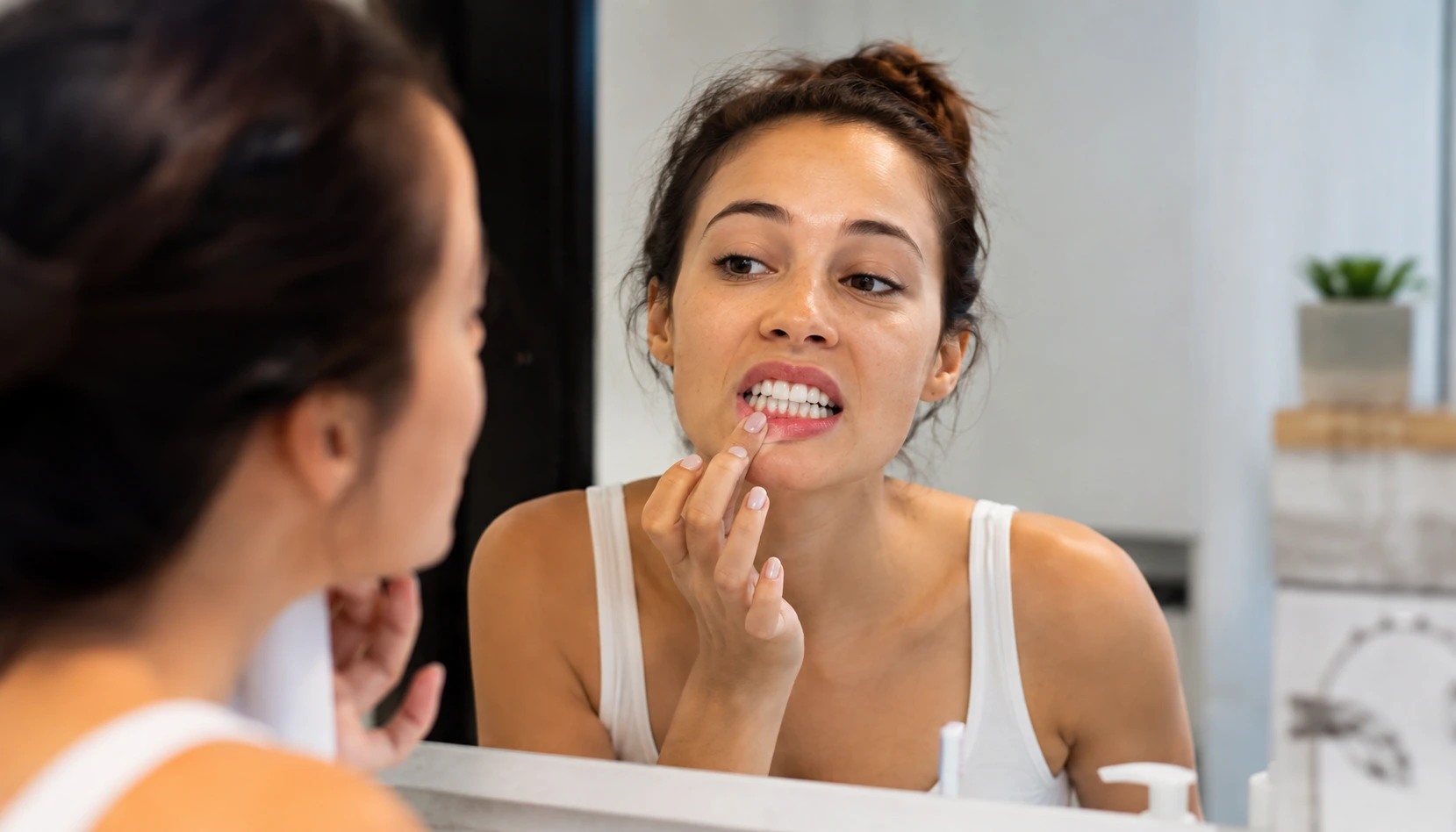
You catch your reflection mid-laugh and immediately feel that familiar sting of disappointment as your eyes land on teeth that aren’t as bright as you’d hoped, triggering another scroll through whitening product reviews at midnight because teeth whitening safety matters when you’re considering putting chemicals in your mouth.
Understanding the risks of teeth whitening
I remember Sarah, a woman in her mid-thirties, who decided to try an aggressive at-home whitening kit without consulting anyone. Within days, her teeth felt like they were screaming whenever she sipped her morning coffee. She’d read countless testimonials online about dramatic transformations, but nobody had really talked about the sensitivity that could follow. The truth is, teeth whitening involves bleaching agents that can irritate your gum tissue and temporarily make your teeth more porous, leading to that sharp, shooting pain when exposed to temperature changes. Some women experience uneven whitening or even temporary discoloration if the product isn’t applied correctly. Before starting any whitening journey, understanding what could go wrong helps you make informed choices that protect your smile long-term.
- Consult a dentist to assess your oral health before whitening.
- Avoid over-the-counter products with high levels of hydrogen peroxide.
- Follow the instructions carefully to prevent adverse effects.
Safely brightening your smile
Professional whitening treatments supervised by dental professionals offer a completely different experience compared to DIY approaches. When you sit in a dentist’s chair, they’ve already evaluated your enamel thickness, existing restorations, and gum health before applying anything. They use controlled concentrations of whitening agents, often with protective barriers around your gums, ensuring results without the guesswork. Think of it like the difference between a home haircut and a professional one. Yes, professional treatments cost more upfront, but they deliver predictable results and minimize complications. Many women find that starting with a professional treatment, then maintaining with gentler at-home products, gives them the best of both worlds. Your dentist can also recommend products specifically formulated for sensitive teeth if you’re prone to discomfort.
💬 Ready to feel better in 2 minutes?choose where to begin:
Dealing with post-whitening sensitivity
After whitening, your teeth might feel temporarily more sensitive, and that’s actually quite common. Emma discovered this the hard way when she couldn’t enjoy her favorite iced tea for a week after her treatment. The sensitivity happens because whitening can temporarily open microscopic tubules in your teeth, exposing the softer dentin underneath. The good news is this usually resolves within days or weeks. Desensitizing toothpaste containing potassium nitrate can help block sensations from reaching the nerve. Avoiding extremely hot or cold foods and drinks during the recovery period makes a real difference. Some women swear by using a soft-bristled toothbrush and being gentler with their oral hygiene routine immediately after whitening. If sensitivity lingers beyond two weeks or becomes unbearable, that’s your signal to reach out to your dentist for professional advice.
Embracing your natural beauty
Here’s something nobody talks about enough: the pressure to have blindingly white teeth is actually a relatively modern invention. Your worth as a person has absolutely nothing to do with whether your teeth are shade B1 or C2 on the dental color chart. Many women find that once they start whitening, they become caught in a cycle of chasing that perfect shade, always feeling like they’re one more treatment away from confidence. The reality is that genuine confidence comes from accepting yourself as you are right now, while still having the freedom to make changes if they make you feel good. A warm, authentic smile that reaches your eyes will always be more attractive than perfectly white teeth attached to a forced expression. If whitening makes you feel more like yourself, that’s wonderful. But if you’re doing it because you feel you have to, it might be worth pausing and reflecting on what you actually want.
Exploring the risks, benefits, and emotional aspects of teeth whitening, this article sheds light on the importance of safety and self-acceptance in the pursuit of a brighter smile.
Are over-the-counter whitening products safe to use?
Over-the-counter whitening products can be safe if used as directed. However, it’s recommended to consult a dentist before starting any whitening regimen to ensure it’s suitable for your oral health.
How can I manage tooth sensitivity after whitening?
To manage post-whitening sensitivity, consider using desensitizing toothpaste, avoiding extreme temperatures, and maintaining good oral hygiene practices. If sensitivity persists, seek advice from your dentist.
Others also read:
Disclaimer: This article is for informational purposes only and is not a substitute for professional medical advice. Always consult a healthcare professional for personal guidance.
This article presents an experience-based perspective and has been reviewed by the GlobalHealthBeacon editorial team in 2026. It provides structured, evidence-based information to support informed health decisions.
