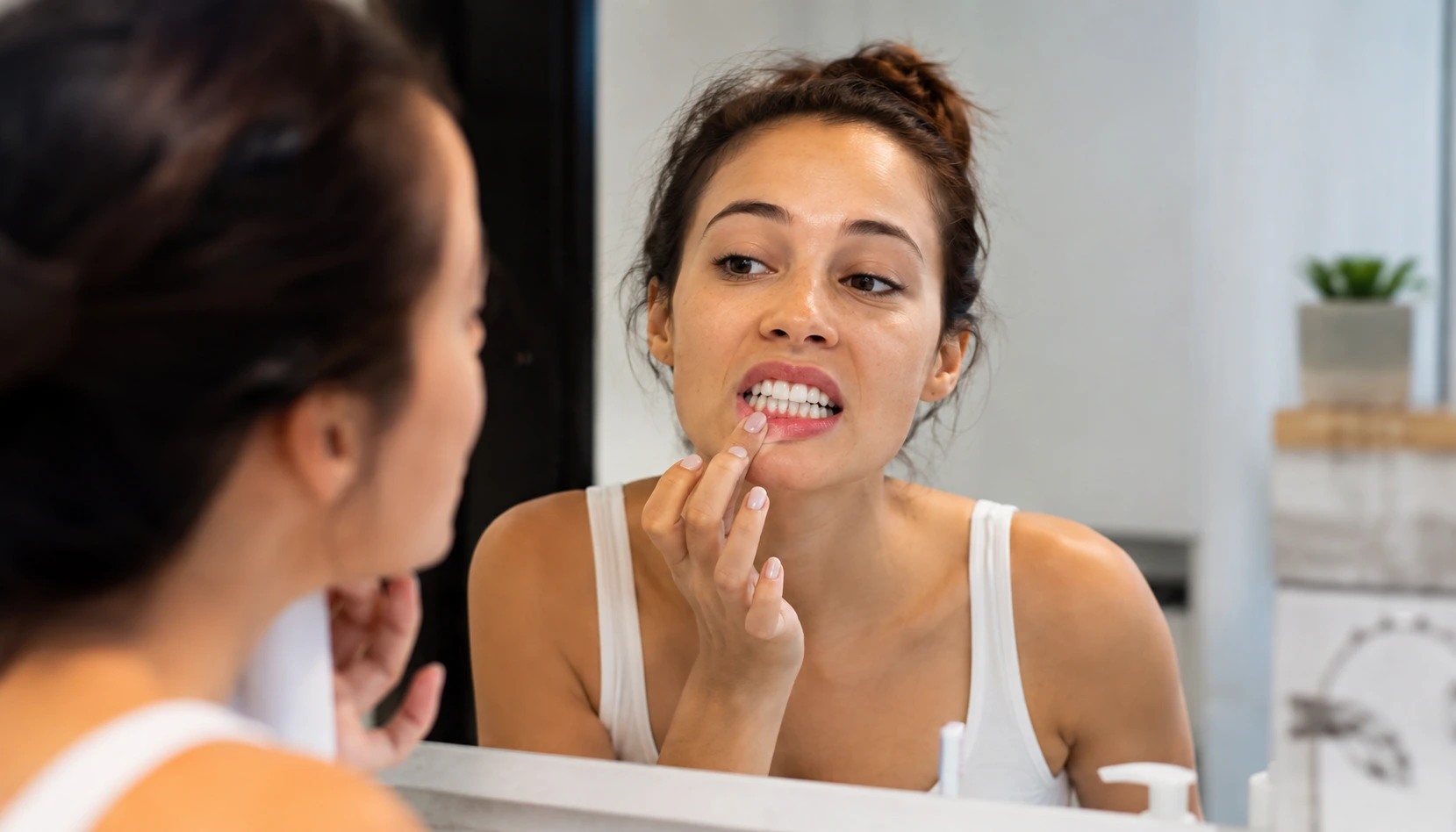
You want a brighter smile, but every whitening product you see comes with warnings that make you nervous, and honestly, you’re right to be cautious because teeth whitening safety for seniors isn’t just marketing hype, it’s about protecting the enamel you’ve spent decades building.
Enamel erosion: the risks involved
Your tooth enamel is like the protective shell of an egg, and once it cracks or wears away, it doesn’t grow back. Enamel erosion happens gradually when acidic substances or overly aggressive whitening products wear down this precious layer. Think about someone who’s been drinking citrus juices or using harsh whitening strips for years, only to notice their teeth becoming translucent at the edges or developing tiny pits. For seniors, this risk is amplified because enamel naturally thins with age and years of chewing, grinding, and exposure to acidic foods. A 65-year-old’s enamel is typically thinner than a 35-year-old’s, which means the margin for error shrinks considerably. When whitening products containing peroxide sit on already-compromised enamel, they can penetrate deeper into the dentin layer beneath, causing irreversible damage. The irony is that many seniors pursue whitening precisely because they want to feel younger, but aggressive treatments can actually age your teeth faster by exposing the yellowish dentin underneath.
Sensitivity and vulnerabilities
Tooth sensitivity in seniors isn’t just an inconvenience, it’s a signal that your teeth are becoming more vulnerable. As enamel thins and recedes, the microscopic tubes inside your teeth become exposed, allowing temperature, pressure, and chemicals to reach the nerve. Imagine biting into ice cream and feeling a sharp jolt, or sipping hot coffee and wincing. Whitening procedures can dramatically worsen this because peroxide-based products irritate these exposed tubes and can cause inflammation in the pulp chamber. A senior with existing sensitivity might experience days or even weeks of discomfort after a whitening treatment. Some people describe it as a constant dull ache or sudden shooting pain when eating. The vulnerability increases if you have gum recession, which is common in older adults, because it exposes the root surface which has no protective enamel at all. Before considering any whitening, it’s worth having an honest conversation with your dentist about your current sensitivity levels and whether your teeth can handle the additional stress.
Protecting enamel during whitening
If you decide to pursue whitening despite the risks, there are concrete steps to minimize damage. First, choose products specifically formulated as enamel-safe, which typically means lower peroxide concentrations and added protective ingredients like calcium or fluoride. Second, follow application guidelines precisely, not because manufacturers are being overly cautious, but because overuse is where most damage occurs. Someone might think that leaving a whitening strip on for 45 minutes instead of 30 will give faster results, but it actually increases the risk of enamel damage and sensitivity spikes. Third, professional supervision matters because a dentist can assess your individual risk factors, monitor your enamel thickness, and use custom trays that fit your teeth perfectly rather than generic strips that leave gaps. They can also apply protective barriers to sensitive areas and use professional-grade products that are more carefully controlled than over-the-counter options. Consider spacing out treatments with longer intervals between sessions to give your enamel time to remineralize. Some dentists recommend using fluoride treatments between whitening sessions to strengthen enamel.
- Select enamel-safe whitening products with lower peroxide concentrations.
- Adhere to prescribed application guidelines and never extend treatment duration.
- Consult a dentist for professional supervision and custom protective measures.
🔬 Science-backed benefits in 2 minuteschoose where to begin:
Long-term oral health implications
The choices you make about whitening today will echo through your oral health for years to come. Excessive whitening can compromise your ability to chew properly, increase your risk of cavities, and accelerate bone loss in your jaw. Consider someone who aggressively whitened their teeth at 60 and then spent the next decade dealing with sensitivity so severe they avoided certain foods, leading to nutritional gaps and further dental complications. Damaged enamel also becomes more porous, meaning it stains faster, creating a frustrating cycle where you need more frequent whitening to maintain results, which causes more damage. Beyond the physical consequences, there’s the financial reality: repairing enamel damage through bonding, veneers, or crowns costs thousands of dollars, far more than any whitening treatment. Your teeth also become more susceptible to decay because bacteria can penetrate the microscopic cracks in compromised enamel. The long-term perspective matters here, because at 70 or 80, you’ll care far more about having functional, pain-free teeth than about their exact shade. Prioritizing enamel preservation over cosmetic brightness is an investment in your quality of life as you age.
Alternative whitening options for seniors
If traditional whitening feels too risky, gentler alternatives exist that can still improve your smile’s appearance. Whitening toothpaste works by using mild abrasives and low-concentration bleaching agents to gradually lighten surface stains without penetrating deep into enamel. Results take longer, typically weeks or months, but the risk profile is much lower. Some seniors find that simply improving their daily cleaning routine makes a noticeable difference, especially if they’ve been using a manual toothbrush instead of an electric one. Natural remedies like diluted baking soda and hydrogen peroxide solutions have been used for decades, though it’s worth noting that even these can cause sensitivity if overused. Oil pulling, an ancient practice involving swishing coconut or sesame oil, has anecdotal support but limited scientific evidence. Professional cleaning by a dental hygienist can remove years of buildup and staining, often revealing a naturally brighter tooth shade underneath. Some dentists offer custom whitening trays with lower-concentration gel that you use at home over several weeks, providing a middle ground between aggressive professional treatments and over-the-counter products. The key is finding an approach that aligns with your risk tolerance and realistic expectations about what’s achievable without damaging your teeth.
Understanding the balance: enamel preservation and whitening
The real wisdom isn’t choosing between enamel health and a bright smile, it’s recognizing that these aren’t actually in conflict if you approach whitening thoughtfully. A healthy, slightly off-white tooth is infinitely preferable to a bright white tooth that’s sensitive, damaged, and deteriorating. Think of it like maintaining a vintage car: you can polish the exterior, but not at the expense of the engine. Regular dental check-ups become your baseline for understanding your personal risk factors. Your dentist can measure enamel thickness with specialized tools, assess your gum health, evaluate existing damage, and recommend a whitening strategy tailored specifically to your situation rather than following generic advice. Some seniors discover that their teeth naturally whiten slightly when they address underlying issues like dry mouth or improve their diet. Others find that accepting their natural tooth color and focusing on having a healthy, functional smile brings more genuine confidence than chasing a Hollywood-white appearance. The balance also involves timing, because attempting whitening when you have active decay, gum disease, or significant sensitivity is like trying to paint a house with a leaky roof. Getting these foundational issues addressed first makes any whitening safer and more effective. This balanced approach respects both your desire to feel good about your appearance and your need to maintain the teeth you’ll rely on for the rest of your life.
Navigating teeth whitening as a senior means understanding that your enamel is more vulnerable than it was decades ago, and that aggressive whitening can cause lasting damage that no cosmetic benefit justifies. The safest path forward involves consulting your dentist before any treatment, choosing gentler products or alternative methods, following guidelines precisely, and remembering that a healthy smile matters far more than a perfectly white one. By prioritizing enamel preservation and taking a measured approach to whitening, you protect your ability to eat, speak, and smile comfortably for years to come.
Are whitening treatments safe for seniors with sensitive teeth?
Whitening treatments carry higher risks for seniors with existing sensitivity because they can irritate exposed dentin tubes and worsen discomfort. If you have sensitive teeth, consult your dentist before any whitening to discuss your specific situation, explore gentler alternatives, and potentially use protective measures like fluoride treatments or custom trays with lower-concentration gel.
Can natural remedies effectively whiten teeth without harming enamel?
Natural remedies like diluted baking soda and hydrogen peroxide solutions are gentler than traditional whitening products and can gradually lighten surface stains, though results take longer to appear. Even natural options can cause sensitivity if overused, so moderation and professional guidance remain important for protecting your enamel.
Others also read:
Disclaimer: This article is for informational purposes only and is not a substitute for professional medical advice. Always consult a healthcare professional for personal guidance.
This article has been prepared and reviewed by the GlobalHealthBeacon editorial team and is based on current medical research and published scientific literature available in 2026. It provides structured, evidence-based information to support informed health decisions.
