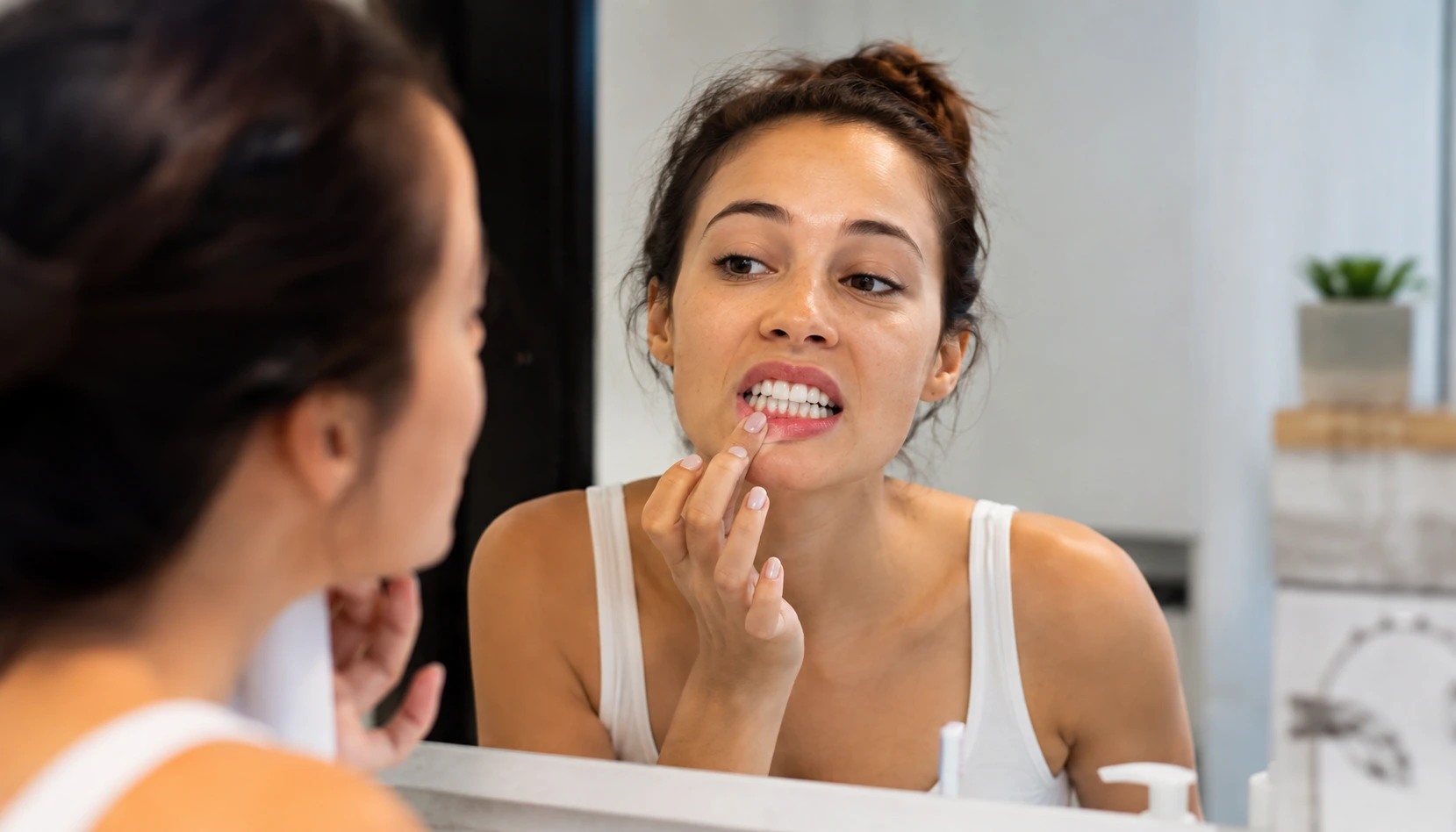
You look in the mirror and see yellowed teeth staring back at you, wondering if teeth whitening safety is even a real concern or just marketing hype, and whether you should risk it.
Enamel and stains: the science behind teeth discoloration
Your tooth structure is like a layered cake, with enamel as the protective outer shell. This enamel is porous at the microscopic level, meaning it has tiny channels and spaces that can trap pigment molecules over time. When you drink coffee, red wine, or tea regularly, these pigments seep into those microscopic pores and bond to the enamel and the layer beneath it called dentin. Smoking accelerates this process dramatically because tobacco compounds are particularly sticky and staining. Even certain medications like tetracycline antibiotics can cause intrinsic stains that develop from within the tooth structure itself. A woman in her 50s might notice her teeth have gradually shifted from a bright white to a dull yellow or gray over decades of morning coffee and occasional red wine at dinner. Understanding this process helps you recognize that discoloration isn’t a sign of poor hygiene but rather a natural consequence of how tooth structure works and what we expose it to daily.
Mechanisms of teeth whitening: peroxide-based products
The science behind whitening relies on chemical oxidation, a process where peroxide compounds break down into oxygen radicals that penetrate enamel and dentin. Hydrogen peroxide and carbamide peroxide are the two main active ingredients used in whitening products, with carbamide peroxide being slower-acting but longer-lasting because it releases hydrogen peroxide gradually over several hours. When these oxygen radicals encounter stain molecules, they essentially break the chemical bonds holding the pigment in place, transforming dark compounds into colorless ones. Professional-grade products used by dentists typically contain 25 to 40 percent hydrogen peroxide, while over-the-counter products range from 3 to 10 percent. This concentration difference explains why professional treatments show faster results but require careful application to protect gum tissue. The whitening process doesn’t change your tooth structure or remove the enamel; it simply alters the color of existing stains through a reversible chemical reaction that can fade over time as new stains accumulate.
Dental consultation and treatment options
Before starting any whitening journey, a dental visit serves as your foundation for safe and effective results. Your dentist will examine your teeth for cavities, cracks, or exposed root surfaces that could cause problems during whitening, and assess whether your discoloration is extrinsic (surface-level) or intrinsic (deep within the tooth). Some women discover they have gum recession or enamel erosion that makes them poor candidates for certain whitening methods. Professional in-office treatments typically take 30 to 60 minutes and deliver immediate visible results because dentists use higher concentrations of peroxide under controlled conditions. At-home kits prescribed by your dentist use custom-fitted trays and lower-concentration gel, requiring nightly application for one to two weeks but offering convenience and gradual results. Over-the-counter strips and whitening toothpastes provide the gentlest option but show the slowest results. Your dentist can also identify whether lifestyle changes like reducing staining beverages or quitting smoking might achieve your goals without chemical treatment.
- Schedule a dental exam and professional cleaning to remove surface buildup.
- Discuss your whitening goals and timeline with your dentist to choose the right method.
- Follow the recommended whitening procedure consistently and exactly as instructed.
🔬 Science-backed benefits in 2 minuteschoose where to begin:
Side effects and safety precautions
Tooth sensitivity during or after whitening is the most common side effect, occurring when peroxide penetrates to the inner chamber of the tooth where the nerve sits. This sensitivity typically feels like a sharp twinge when exposed to cold temperatures and usually subsides within a few days to a week after treatment ends. Gum irritation can happen if whitening gel contacts soft tissue, which is why professional trays are custom-fitted and why at-home users should apply gel carefully and wipe away excess immediately. Some women experience temporary white spots or chalky patches on their teeth if dehydration occurs during treatment, though these typically resolve as the tooth rehydrates. Overuse of whitening products is a genuine risk; using them more frequently than recommended can lead to enamel erosion and permanent sensitivity. Using only reputable products from established brands or your dentist reduces the risk of contaminated or improperly formulated products. If you have sensitive teeth before whitening, ask your dentist about desensitizing treatments or lower-concentration products that minimize discomfort.
Results and maintenance: longevity of whitening effects
The brightness you achieve from whitening typically lasts between six months and two years depending on your habits, diet, and the method used. Professional treatments generally last longer than at-home kits because they use stronger concentrations and controlled application. Your lifestyle choices dramatically impact how long results persist; a woman who continues drinking dark beverages daily will see fading much faster than someone who switches to clear drinks or uses a straw. Maintaining good oral hygiene through twice-daily brushing and daily flossing helps preserve results by preventing new stain accumulation. Some dentists recommend periodic touch-up treatments every six to twelve months to maintain brightness without undergoing full whitening again. Avoiding smoking, red wine, coffee, tea, and dark sauces extends the longevity of your results significantly. Using a whitening toothpaste between professional treatments can help maintain brightness, though these products work more gently than professional-grade options. Understanding that whitening is not permanent helps set realistic expectations and allows you to plan for maintenance rather than being surprised when gradual fading occurs.
Conclusion: informed choices for healthy teeth
Understanding how teeth whitening actually works transforms you from a passive consumer of beauty trends into someone making deliberate choices about your oral health and appearance. The science is straightforward: peroxide breaks down stains through oxidation, results vary based on your starting point and habits, and safety depends on proper application and professional guidance. Women who take time to consult with a dentist, understand their options, and commit to realistic expectations tend to feel most satisfied with their whitening experience. Your teeth are unique, with their own natural shade and stain patterns, so what works brilliantly for your friend might produce different results for you. By combining professional guidance with good oral care practices and honest assessment of your lifestyle habits, you can achieve a brighter smile while protecting your tooth structure and overall dental health. The goal isn’t perfection but rather feeling confident and informed about the choices you make for yourself.
Teeth whitening uses peroxide-based products to chemically break down stains in enamel and dentin through oxidation. Professional dental consultation ensures safety, appropriate method selection, and realistic expectations. Results typically last six months to two years and can be maintained through lifestyle adjustments and periodic touch-up treatments.
Are home teeth whitening kits safe for women?
Home whitening kits can be safe when used exactly as directed and sourced from reputable manufacturers or prescribed by your dentist. However, consulting with a dentist before starting any at-home whitening is strongly recommended to rule out contraindications like cavities, enamel erosion, or gum recession that could cause complications.
How long do teeth whitening results last?
Teeth whitening results typically last between six months and two years, with professional treatments generally lasting longer than over-the-counter options. Longevity depends heavily on individual habits including diet, beverage choices, smoking status, and oral hygiene practices. Periodic touch-up treatments can extend and maintain brightness over time.
Others also read:
Disclaimer: This article is for informational purposes only and is not a substitute for professional medical advice. Always consult a healthcare professional for personal guidance.
This article has been prepared and reviewed by the GlobalHealthBeacon editorial team and is based on current medical research and published scientific literature available in 2026. It provides structured, evidence-based information to support informed health decisions.
