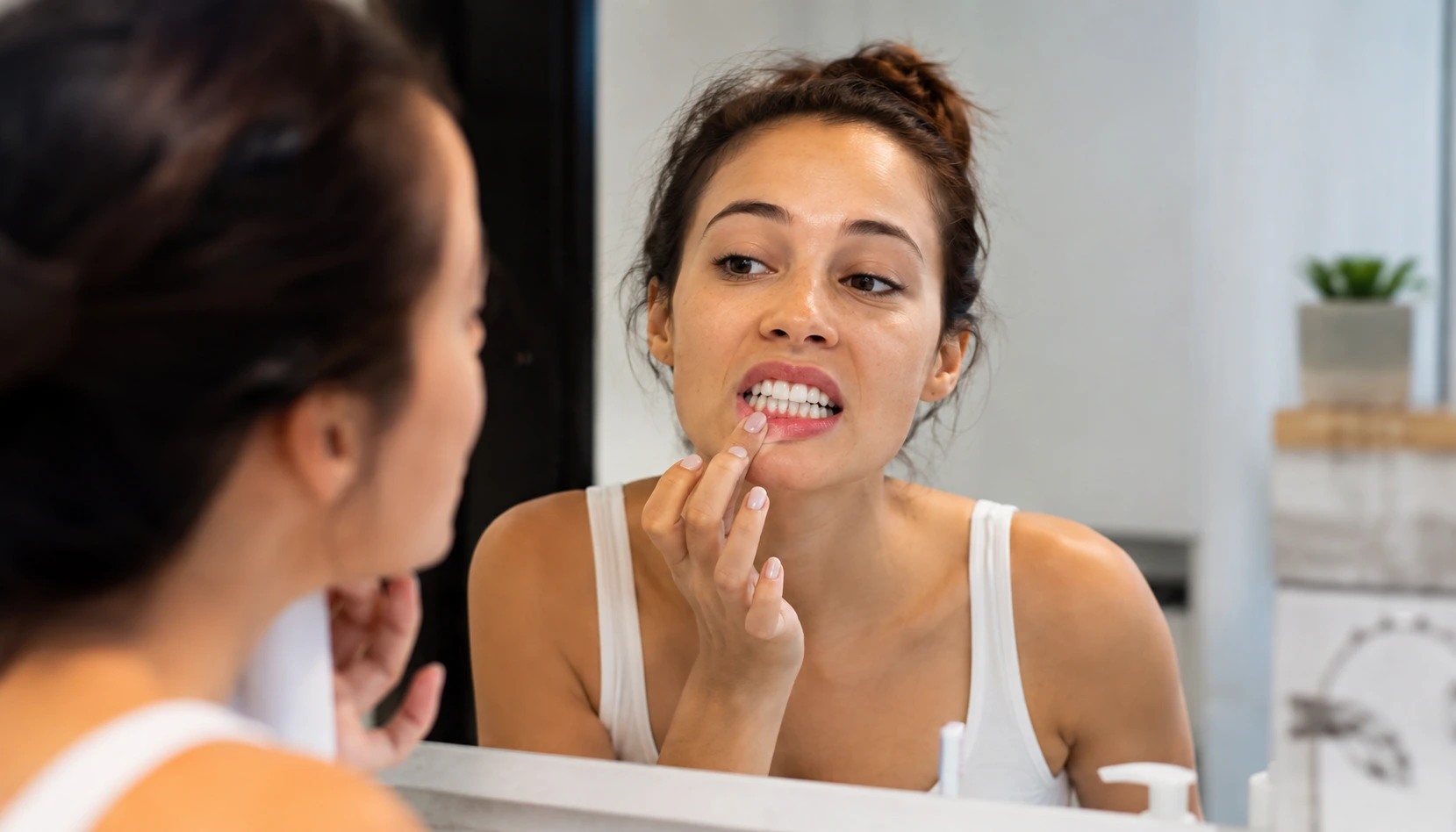
You catch your reflection mid-smile and immediately pull your lips back in because those yellowed teeth feel like they’re screaming for help, so let’s cut through the confusion around teeth whitening safety and figure out which option actually works without wrecking your mouth.
The risks of professional whitening
I remember Sarah’s experience at a high-end dental clinic. She paid $600 for professional whitening and walked out with results that looked amazing for exactly three days. Then came the sensitivity. Every sip of coffee felt like tiny needles stabbing her teeth, and her gums were so irritated she could barely eat solid food for a week. Professional whitening uses concentrated bleach agents that can be incredibly harsh on your enamel and gum tissue. The dentist applies a protective barrier, but that doesn’t guarantee you won’t experience discomfort afterward. Many women report sensitivity lasting weeks, and some deal with recurring issues every time they get touched up. The cost is another reality check, often ranging from $500 to $1,200 per session, and results aren’t permanent. You’re essentially paying premium prices for temporary results with potential side effects that can linger long after you leave the chair.
- Quick results but potential risks like sensitivity and gum irritation
- Tooth sensitivity can last weeks or become recurring with touch-ups
- High cost of $500 to $1,200 without guaranteed long-term outcomes
The appeal of DIY whitening kits
Then there’s the DIY route, which honestly appeals to most women I talk to. You can whiten your teeth at 10 PM while binge-watching your favorite show, or squeeze in a treatment before work without booking an appointment three months in advance. The cost is refreshingly reasonable, usually between $20 and $100 for a decent kit. But here’s where it gets tricky: results depend heavily on your commitment and the quality of the product. Some women see noticeable brightening within two weeks, while others barely notice a difference after a month. The biggest pitfall is overuse. When you’re not seeing fast results, the temptation to use the kit more frequently than recommended is real, and that’s when tooth sensitivity creeps in. You’re also working without professional guidance, so uneven whitening is common, especially if you have existing dental work like crowns or fillings that won’t whiten alongside your natural teeth.
💬 Ready to feel better in 2 minutes?choose where to begin:
Women’s experience with professional whitening
Jessica chose professional whitening before her wedding and couldn’t stop smiling in those photos, but she also couldn’t eat anything warm for two weeks. That’s the trade-off many women face. Professional treatments deliver dramatic, visible results fast, which matters when you have a deadline or special event coming up. The appeal is undeniable: you’re in capable hands, using pharmaceutical-grade products, and walking out with noticeably whiter teeth the same day. But the aftermath tells a different story for many. Sensitivity to hot and cold foods becomes a real problem. Some women experience sharp pain when drinking water, others develop a dull ache that makes chewing uncomfortable. Gum irritation is another common complaint, especially if the protective barrier shifts during treatment. A few women report that the sensitivity never fully goes away, becoming a chronic issue that affects their quality of life. The convenience factor is real, but it comes with a physical price that extends far beyond the appointment itself.
Women’s testimonials on DIY kits
Maria loved the control that DIY kits gave her. She could start and stop whenever she wanted, skip days if her teeth felt sensitive, and adjust her approach based on how her mouth was responding. That flexibility is huge for women juggling busy schedules and unpredictable routines. The autonomy matters too, especially for those who feel anxious in dental chairs or prefer taking health decisions into their own hands. But consistency is everything with DIY kits, and that’s where many women struggle. You need to use the kit regularly, follow instructions precisely, and be patient with gradual results. Uneven whitening is a real frustration, particularly if you have crowns, veneers, or fillings that don’t respond to the bleaching agent. Some women end up with a patchwork smile where their natural teeth are noticeably whiter than their dental work. The learning curve is steep, and mistakes are costly in terms of both money wasted on ineffective products and the time spent waiting for results that might never come.
Professional whitening treatments offer dramatic, fast results but come with real risks like tooth sensitivity, gum irritation, and a price tag that can reach $1,200 per session. DIY kits give you control, affordability, and scheduling flexibility, but they demand consistency, patience, and realistic expectations about results. Women’s experiences with both options show that there’s no one-size-fits-all answer. Your choice depends on your timeline, budget, sensitivity levels, and how much control you want over the process. Before committing to either route, think honestly about what matters most to you: speed or comfort, cost or convenience, professional results or personal autonomy.
Are professional whitening treatments safe for women?
Professional whitening treatments are generally considered safe when performed by licensed dentists, but safety doesn’t mean risk-free. Many women experience tooth sensitivity and gum irritation during and after treatment. These side effects are temporary for most people but can last weeks or become recurring with repeated treatments. It’s essential to consult with your dentist about your specific oral health, existing sensitivity, and any dental work you have before undergoing professional whitening to ensure the treatment aligns with your individual needs.
Can DIY whitening kits deliver long-lasting results for women?
DIY whitening kits can deliver noticeable results, but longevity varies significantly depending on the product quality, how consistently you use it, and your personal habits like smoking or drinking staining beverages. Results typically last between three to six months, sometimes longer with maintenance. Consistency in following instructions and maintaining good oral hygiene are absolutely key to keeping your smile brighter over time. Managing expectations is important, as DIY results are usually less dramatic than professional treatments but can be meaningful when you’re patient and committed.
Others also read:
Disclaimer: This article is for informational purposes only and is not a substitute for professional medical advice. Always consult a healthcare professional for personal guidance.
This article presents an experience-based perspective and has been reviewed by the GlobalHealthBeacon editorial team in 2026. It provides structured, evidence-based information to support informed health decisions.
