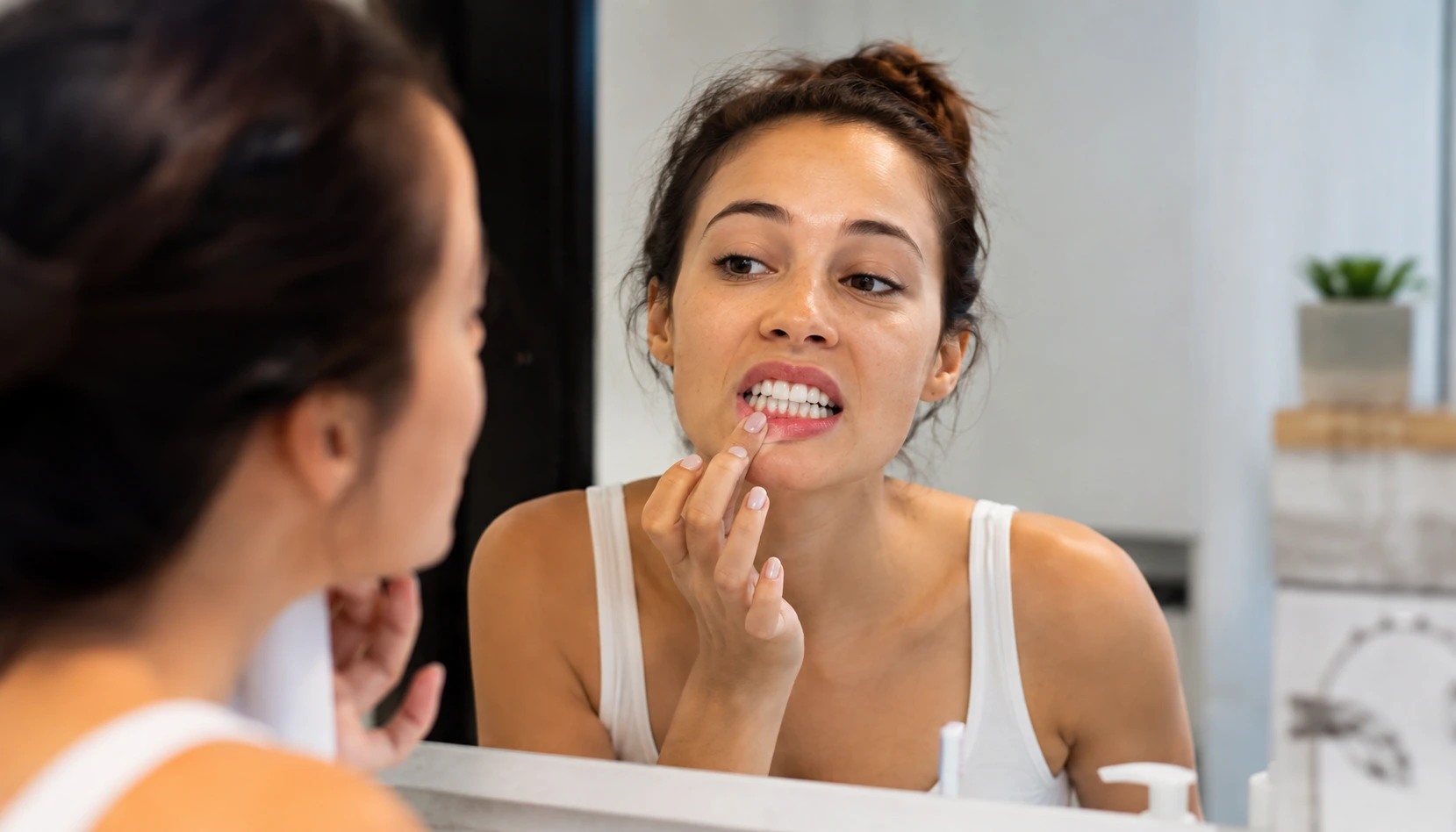
Your teeth have yellowed over decades, and you’re tired of hiding your smile in photos, but you’re nervous about whether whitening products are actually safe for your aging teeth and sensitive gums.
Understanding teeth whitening for seniors
As we age, our teeth naturally lose their brightness through a combination of factors that go beyond simple surface staining. The outer layer of enamel gradually thins over time, revealing the naturally yellower dentin underneath. Additionally, years of drinking coffee, tea, red wine, and exposure to certain medications can leave deep stains that regular brushing cannot remove. Teeth whitening products designed specifically for seniors take these age-related changes into account. They work by using bleaching agents that penetrate the tooth structure to break up stain molecules, but senior formulations typically use lower concentrations of these agents to protect increasingly delicate enamel. For example, a 65-year-old who has enjoyed morning coffee for 40 years might see significant yellowing that makes them feel self-conscious, but a gentler whitening approach can restore brightness without causing the sensitivity that aggressive treatments might trigger.
- Teeth whitening products for seniors are formulated to be gentler on aging teeth and sensitive gums.
- Consult with your dentist before starting any teeth whitening treatment to ensure it is safe for your dental health.
- Consider the potential risks and benefits of teeth whitening, especially when taking into account any existing dental conditions.
Different types of teeth whitening products
The whitening market offers several distinct options, each with different strengths and application methods. Whitening toothpastes contain mild abrasives and chemical agents that work gradually over weeks of daily use, making them the gentlest entry point for seniors hesitant about stronger treatments. Whitening strips are thin, flexible plastic coated with peroxide gel that you apply directly to your teeth for 30 minutes daily, typically showing results within one to two weeks. Whitening gels and trays, whether over-the-counter or custom-fitted by a dentist, allow the bleaching agent to sit against your teeth for longer periods, delivering faster results. Professional in-office whitening treatments administered by your dentist use the highest concentration of bleaching agents and specialized light technology, often producing dramatic results in a single appointment. Consider a scenario where a 70-year-old grandmother wants to look her best for her granddaughter’s wedding in three months. She might start with whitening strips for gradual improvement, then follow up with a professional treatment two weeks before the event for maximum brightness and confidence.
📘 Fix your day in under 2 minuteschoose where to begin:
Pros and cons of teeth whitening products
Teeth whitening delivers real cosmetic benefits that many seniors find emotionally rewarding. A brighter smile can boost confidence, make you appear more youthful, and improve how you feel in social situations. Results are often visible within days to weeks, and the investment is relatively affordable compared to other cosmetic procedures. However, drawbacks exist and deserve honest consideration. Tooth sensitivity is the most common side effect, causing sharp pain when consuming hot or cold foods and beverages, particularly in seniors whose enamel is already thinner. Some people experience gum irritation or bleaching of existing dental work like crowns and fillings, which cannot be whitened and may look mismatched against newly whitened natural teeth. Results are also temporary, typically lasting six months to two years depending on your diet and habits, meaning you may need repeated treatments. A 68-year-old with existing sensitivity might find that whitening strips cause discomfort that outweighs the cosmetic benefit, while someone with excellent enamel thickness might experience minimal side effects and enjoy lasting results.
Safety guidelines for seniors using teeth whitening products
Following specific safety protocols protects your teeth and maximizes results without unnecessary risk. First, always schedule a dental checkup before beginning any whitening regimen to identify existing problems like cavities, cracks, or gum disease that could be worsened by bleaching agents. If your dentist clears you, start with the lowest concentration product available and use it for the shortest recommended duration, then gradually increase if you tolerate it well. Apply whitening products exactly as directed, never leaving them on longer than instructed in hopes of faster results, as this increases sensitivity and damage risk. If you experience persistent sensitivity, gum pain, or irritation, stop immediately and contact your dentist rather than pushing through discomfort. Use a desensitizing toothpaste designed for sensitive teeth for two weeks before and during whitening to reduce pain. Avoid staining foods and beverages like red wine, berries, and dark sauces for at least 48 hours after treatment when your teeth are most porous. A practical example: a 72-year-old starting whitening strips should apply them for the recommended 30 minutes, not 45, and should wait three days between applications rather than using them daily, even if instructions allow daily use.
Tips for maintaining a bright smile
Whitening results fade without consistent maintenance and smart daily choices. The foundation is excellent oral hygiene: brush twice daily with a soft-bristled toothbrush using gentle circular motions to avoid damaging aging gums, and floss daily to remove plaque and stains between teeth where brushing cannot reach. Schedule professional dental cleanings every six months rather than annually, as this removes surface stains before they set deeply into enamel. Be strategic about what you consume, limiting dark-colored beverages like coffee, tea, and cola, or drinking them through a straw to minimize tooth contact. Rinse your mouth with water immediately after consuming staining foods or drinks. Avoid tobacco products entirely, as smoking and chewing tobacco cause rapid yellowing that whitening products struggle to reverse. Consider touch-up treatments every six months to one year to maintain brightness without the expense of full whitening cycles. A 75-year-old who loves her morning coffee ritual might switch to a lighter roast, add cream to reduce darkness, or drink it through a straw, then rinse with water afterward, preserving her whitening results for years rather than months.
Teeth whitening products for seniors offer a viable solution to combat age-related discoloration, but careful consideration of their benefits and risks is crucial. By following safety guidelines and maintaining oral hygiene, seniors can achieve a brighter smile with confidence.
Are teeth whitening products safe for seniors with sensitive teeth?
Teeth whitening products formulated for seniors often take into account sensitive teeth and gums, but it’s recommended to consult with a dentist before starting any treatment to ensure safety.
How long does it take to see results from teeth whitening products?
The time to achieve noticeable results with teeth whitening products can vary depending on the type of product used. Generally, results may be visible within a few days to a few weeks of regular use.
Others also read:
Disclaimer: This article is for informational purposes only and is not a substitute for professional medical advice. Always consult a healthcare professional for personal guidance.
This guide has been prepared and reviewed by the GlobalHealthBeacon editorial team and reflects current medical research as of 2026. It provides structured, evidence-based information to support informed health decisions.
