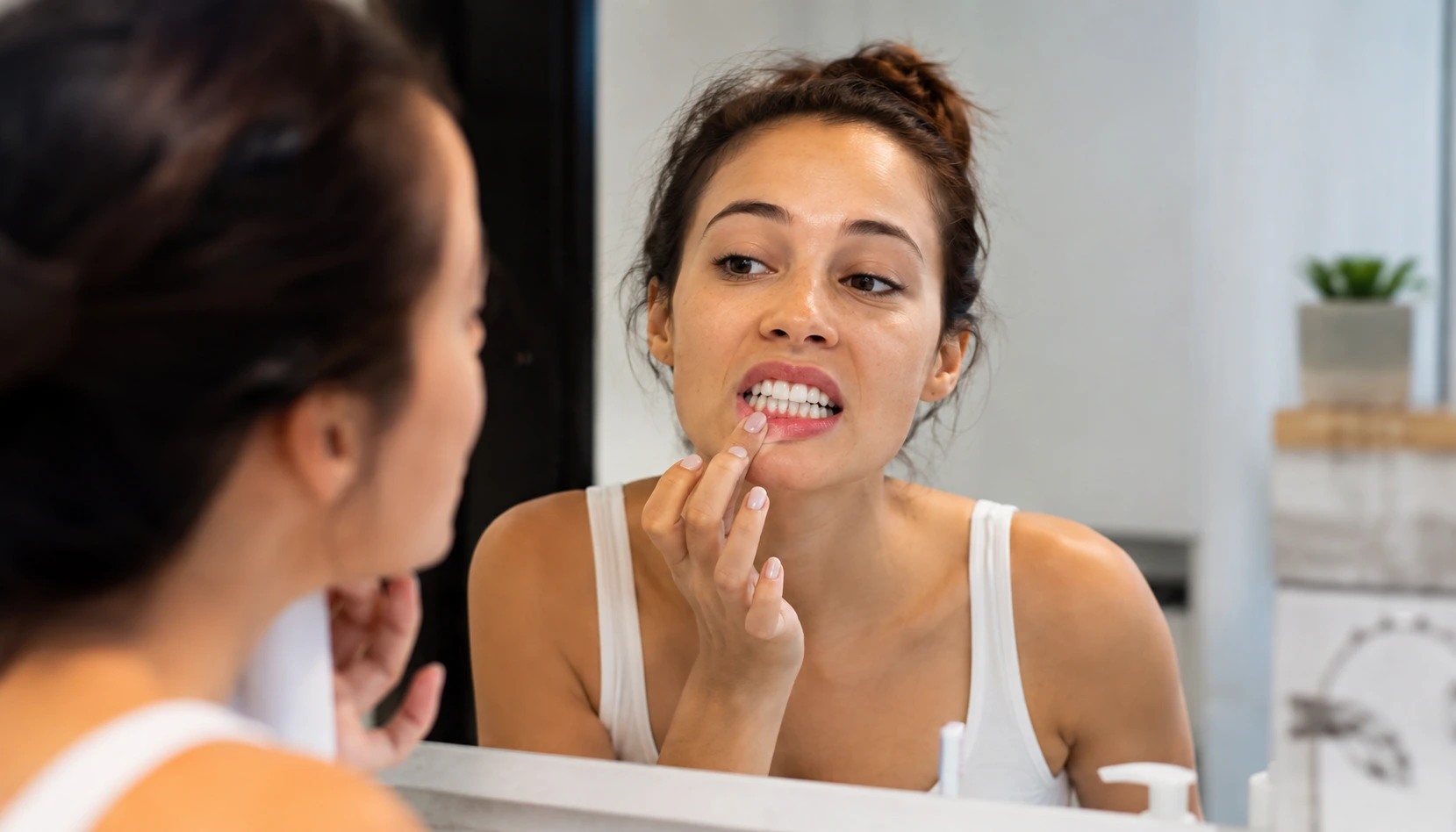
Your teeth are yellowing despite brushing twice a day, and you’re scrolling through whitening products at 11pm wondering if any of them actually work without destroying your enamel – here’s what you need to know about teeth whitening safety before you spend money on something that might backfire.
Understanding teeth whitening safety
Teeth whitening has exploded in popularity among young adults, but jumping into treatments without understanding the safety landscape is like buying a car without checking the brakes. The reality is that whitening works by using peroxide-based compounds to penetrate tooth enamel and break down stains, but this process carries real risks if done incorrectly. Sensitivity, enamel erosion, and gum irritation are genuine concerns that happen to people every day. Before you start any whitening regimen, you need to know what you’re actually putting on your teeth. Some over-the-counter products contain aggressive concentrations of bleaching agents that can damage enamel permanently, while others are so weak they’re basically useless. The safest path forward starts with a conversation with your dentist, who can assess your specific tooth structure, existing sensitivity levels, and whether whitening is even appropriate for you right now.
- Consult with a dentist before starting any teeth whitening regimen to assess your enamel thickness and sensitivity baseline.
- Choose reputable products with ADA approval to ensure safety and efficacy, and verify the peroxide concentration matches your tolerance level.
- Follow the instructions on whitening products diligently to prevent adverse effects, and never exceed recommended treatment duration or frequency.
Key factors to consider
Choosing the right whitening method isn’t one-size-fits-all, and understanding your personal situation matters more than chasing the fastest results. Tooth sensitivity is a major factor that most young adults underestimate. If you already experience sensitivity when eating ice cream or drinking hot coffee, aggressive whitening can amplify that discomfort significantly. Budget also plays a real role here. Professional in-office treatments run $300 to $1000 per session, while strips and trays cost $20 to $100. Time commitment varies too: some methods require 30 minutes daily for two weeks, while others need professional appointments spaced weeks apart. Consider your lifestyle honestly. Are you someone who can commit to consistent daily treatment, or do you need something faster? Do you have sensitive teeth that need gentler formulations? Are you willing to invest more for professional results, or do you need an affordable option? Your answers to these questions directly determine which method will actually work for you and keep your teeth healthy in the process.
📘 Fix your day in under 2 minuteschoose where to begin:
Popular teeth whitening methods
The whitening market offers several distinct approaches, each with legitimate strengths and real drawbacks worth understanding. Over-the-counter whitening strips are affordable and convenient, typically costing $20 to $50 for a two-week supply, but they deliver inconsistent results because they don’t conform perfectly to every tooth surface. Whitening trays from your dentist cost more upfront ($150 to $300) but use custom-fitted molds and professional-grade peroxide, delivering more uniform results over three to four weeks. At-home gel kits sit somewhere in the middle, offering decent results at moderate prices if you follow instructions carefully. Professional in-office treatments like zoom whitening or laser whitening happen in one to two hours and produce the most dramatic results, but they’re expensive and can cause temporary sensitivity. Natural methods like activated charcoal or oil pulling are popular on social media but lack scientific backing and can actually damage enamel with abrasive particles. The key is matching the method to your sensitivity level, budget, and realistic expectations about how white your teeth can actually become.
Maintaining whitened teeth safely
Getting your teeth whitened is just the beginning. The real work happens in the weeks and months after treatment when you’re trying to keep those results from fading. Whitening effects typically last three to six months depending on your habits and the method used, but some people see fading within weeks if they don’t adjust their lifestyle. Immediately after whitening, your teeth are more porous and vulnerable to staining, so avoiding dark beverages like coffee, red wine, and cola for at least 48 hours is crucial. Smoking will undo whitening faster than almost anything else, so if you’re serious about maintaining results, this is a good moment to reconsider that habit. Your daily oral hygiene routine matters more now: brush twice daily with a whitening toothpaste designed for sensitive teeth, floss daily to prevent stains between teeth, and rinse with water after meals. Schedule dental cleanings every six months instead of annually to remove surface stains before they set in. Some people benefit from touch-up treatments every three to six months, which cost less than the initial treatment and keep results consistent.
Considering long-term oral health
Here’s the uncomfortable truth: a bright white smile means nothing if your teeth are damaged or diseased underneath. Young adults sometimes get so focused on aesthetics that they neglect the foundation of actual oral health. Whitening should never come at the expense of your enamel, gum health, or tooth structure. Before pursuing any whitening, make sure your baseline oral health is solid. That means no untreated cavities, no gum disease, and no existing enamel erosion. If you have these issues, fix them first. Once you’re whitening, continue with proper brushing using a soft-bristled toothbrush, daily flossing, and regular dental visits every six months. If you experience persistent sensitivity or gum irritation after whitening, stop treatment and see your dentist. Some people are simply not good candidates for whitening due to thin enamel, existing damage, or certain dental work like crowns and veneers that don’t whiten. Accepting this reality and focusing instead on maintaining healthy teeth that look their best naturally is sometimes the smarter choice than pursuing aggressive whitening.
Teeth whitening can genuinely improve your smile, but only if you approach it with safety as your priority. Start by consulting your dentist to understand your specific needs and limitations. Choose a method that matches your sensitivity level, budget, and lifestyle rather than chasing the fastest or cheapest option. Follow instructions carefully, maintain good oral hygiene afterward, and remember that long-term tooth health always trumps short-term cosmetic gains. Young adults who take this measured approach achieve better results and avoid the regret that comes from damaged enamel or chronic sensitivity.
Are over-the-counter whitening products safe for young adults?
Over-the-counter whitening products are generally safe when used exactly as directed, but they vary widely in quality and strength. The safest approach is consulting your dentist first to confirm you don’t have enamel erosion, cavities, or gum disease that could be worsened by whitening. Choose products with ADA approval and realistic peroxide concentrations. Never exceed the recommended treatment duration or frequency, even if results seem slow. If you experience persistent sensitivity or gum irritation, stop immediately and see your dentist.
How long do the effects of teeth whitening typically last?
Whitening results typically last three to six months, though some people see fading within weeks depending on their habits and the method used. Professional in-office treatments often last longer than at-home methods. Longevity depends heavily on your lifestyle: avoiding dark beverages, not smoking, and maintaining excellent oral hygiene can extend results significantly. Touch-up treatments every three to six months help maintain brightness without requiring full retreatment.
Others also read:
Disclaimer: This article is for informational purposes only and is not a substitute for professional medical advice. Always consult a healthcare professional for personal guidance.
This guide has been prepared and reviewed by the GlobalHealthBeacon editorial team and reflects current medical research as of 2026. It provides structured, evidence-based information to support informed health decisions.
