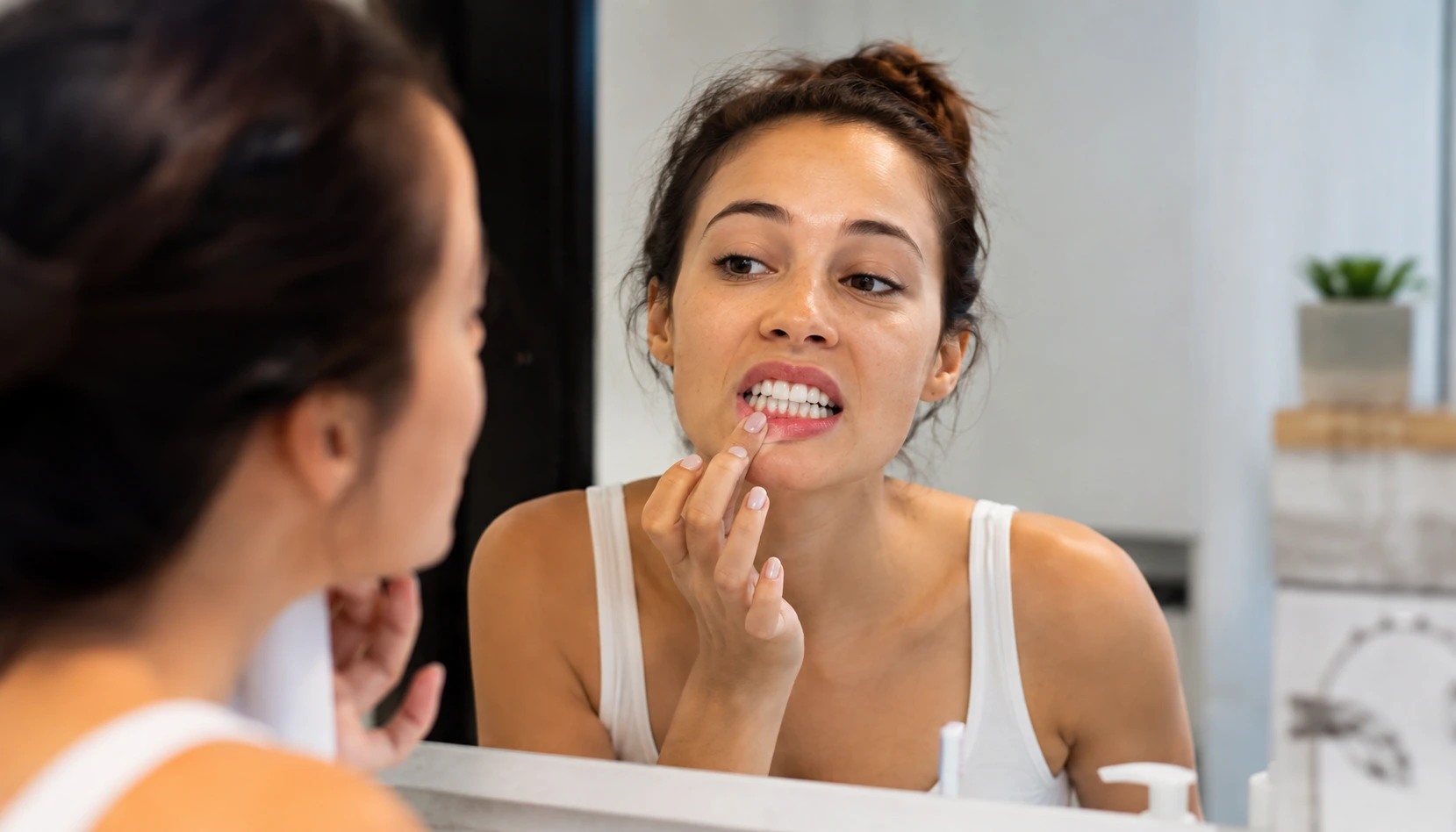
You’re scrolling through Instagram, seeing everyone’s blindingly white smiles, and you’re thinking about jumping on the whitening trend, but then that nagging voice kicks in: what if I’m literally dissolving my teeth? Here’s what teeth whitening safety actually looks like when you cut through the fear.
Understanding enamel
Before we dive into whether whitening products are friend or foe, let’s talk about what we’re actually protecting. Enamel is the translucent, crystalline outer layer of your teeth, and it’s legitimately the hardest substance your body produces. Think of it as your teeth’s bodyguard, a mineral-based shield made primarily of hydroxyapatite crystals that sits on top of the dentin layer beneath. Unlike bone, enamel doesn’t regenerate or heal itself once it’s damaged, which is why understanding how it works matters so much. Your enamel is porous at a microscopic level, which means stains and discoloration can seep into those tiny spaces over time. This porosity is actually what makes whitening possible, but it’s also why the process requires careful handling. Young adults often don’t realize that their enamel is already under siege from acidic drinks, sugary snacks, and aggressive brushing habits before whitening even enters the picture.
How teeth whitening works
Most teeth whitening products contain either hydrogen peroxide or carbamide peroxide as their active bleaching agents. These molecules are small enough to penetrate through the enamel’s porous structure and reach the stain molecules embedded deeper in the tooth. Once there, they break apart the chemical bonds that create discoloration, essentially shattering the pigments that make your teeth look yellow or dingy. Professional treatments typically use higher concentrations of these agents, sometimes up to 35 percent hydrogen peroxide, while over-the-counter strips and trays usually contain 3 to 10 percent. The whitening process itself doesn’t remove enamel, but rather chemically alters the appearance of what’s already there. However, here’s where it gets tricky: if you’re using whitening products incorrectly, leaving them on too long, or using them too frequently, you can create an environment where enamel becomes weakened and more susceptible to erosion from other sources like acidic foods and drinks.
Does teeth whitening damage enamel?
This is where the science gets reassuring for most people. Research published in dental journals consistently shows that professional teeth whitening treatments, when applied according to manufacturer guidelines and under dental supervision, do not cause significant enamel damage. The key phrase here is when done correctly. Studies tracking enamel thickness before and after whitening treatments show minimal to no measurable loss. However, the catch is real: overuse is where problems start. Imagine someone who decides that if one whitening session is good, five sessions in a month must be better. That person is essentially bathing their enamel in bleaching agents repeatedly, which can lead to demineralization, where the enamel loses its protective mineral content. Additionally, using whitening products on already compromised enamel, such as teeth with existing micro-cracks or erosion from acidic habits, can accelerate damage. Young adults who combine whitening with other risky behaviors, like frequent energy drink consumption or aggressive brushing, are essentially stacking risk factors.
- Consult with a dental professional before starting any teeth whitening treatment to assess your enamel thickness and current tooth health.
- Follow the instructions provided with the whitening product carefully, including duration and frequency recommendations, without extending treatment times.
- Avoid excessive whitening sessions beyond recommended guidelines, spacing treatments at least several weeks apart to allow enamel to stabilize.
🔬 Science-backed benefits in 2 minuteschoose where to begin:
Enamel erosion vs. whitening
Here’s something important: not all enamel damage comes from whitening. Enamel erosion is a broader problem that can result from acidic foods, aggressive brushing, grinding your teeth, or even certain medications. When whitening does contribute to enamel issues, the signs are pretty specific. You might notice your teeth becoming more sensitive to hot and cold temperatures, which happens because the protective enamel layer thins and exposes the dentin beneath. Your teeth might feel rough or grainy to your tongue, or you might see a translucent or slightly bluish tint appearing at the edges of your teeth, which indicates the dentin is becoming more visible. Some people also experience a chalky appearance. The tricky part is distinguishing between damage caused by whitening versus damage from your overall lifestyle. A 22-year-old who whitens their teeth once every six months but drinks three energy drinks daily might blame the whitening for sensitivity that’s actually coming from the acid exposure. Understanding this difference helps you identify the real culprit and adjust accordingly.
Preventing enamel damage
If you’re committed to whitening, the smartest move is going professional. Dentist-supervised whitening treatments use custom-fitted trays that ensure even application and minimize contact with your gums, plus your dentist can monitor your enamel health throughout the process. They can also identify whether your teeth are actually good candidates for whitening before you start. Beyond the whitening itself, protecting your enamel means being intentional about your daily habits. Rinse your mouth with water after consuming acidic beverages like soda, coffee, or wine, rather than brushing immediately, which can damage softened enamel. Use a soft-bristled toothbrush and avoid scrubbing aggressively. If you grind your teeth at night, talk to your dentist about a night guard, since grinding accelerates enamel wear. Consider using a fluoride mouthwash or toothpaste to strengthen enamel. Spacing out whitening treatments to no more than once every three to six months gives your enamel time to remineralize and recover between sessions.
Long-term enamel care
Think of enamel care as a long-term investment in your smile, not just a one-time whitening decision. While occasional professional whitening treatments are generally safe, the real foundation of enamel health comes from consistent daily practices. Regular dental check-ups, ideally twice yearly, allow your dentist to catch early signs of erosion or damage before they become serious problems. Nutrition matters more than many young adults realize: calcium and phosphorus are essential for maintaining enamel strength, so including dairy products, leafy greens, and nuts in your diet supports your teeth from the inside. Minimize your exposure to acidic foods and drinks, or at least consume them strategically rather than sipping throughout the day. If you do whiten your teeth, view it as one component of a broader oral health strategy rather than the centerpiece. Some people find that maintaining their whitening results through better dietary choices and improved habits actually works better than repeated whitening treatments. The goal is to keep your enamel intact and healthy for decades to come, which means thinking beyond just aesthetics.
Teeth whitening, when used correctly and under professional guidance, does not typically cause significant enamel damage according to current scientific evidence. However, overuse, improper application, or combining whitening with other enamel-damaging habits can lead to erosion and sensitivity. The key is following professional recommendations, spacing treatments appropriately, and maintaining strong daily oral hygiene practices. Understanding the difference between whitening-related damage and erosion from other sources helps you make informed decisions about your dental care.
Can teeth whitening harm enamel permanently?
Teeth whitening can potentially contribute to permanent enamel damage if misused or overused repeatedly. Since enamel does not regenerate, any significant erosion from whitening is irreversible. However, following manufacturer guidelines, spacing treatments several weeks apart, and using professional treatments rather than excessive over-the-counter products minimizes this risk substantially. If you experience persistent sensitivity or visible enamel damage, consult your dentist immediately.
How can I know if my enamel is being damaged by teeth whitening?
Signs of potential enamel damage from teeth whitening include increased tooth sensitivity to hot and cold temperatures, a rough or grainy texture on your tooth surface, transparent or bluish edges on your teeth, or a chalky appearance. You might also notice your teeth feeling weaker or more fragile. If you experience any of these symptoms after whitening, stop treatment immediately and schedule an appointment with your dental professional for evaluation and guidance.
Others also read:
Disclaimer: This article is for informational purposes only and is not a substitute for professional medical advice. Always consult a healthcare professional for personal guidance.
This article has been prepared and reviewed by the GlobalHealthBeacon editorial team and is based on current medical research and published scientific literature available in 2026. It provides structured, evidence-based information to support informed health decisions.
