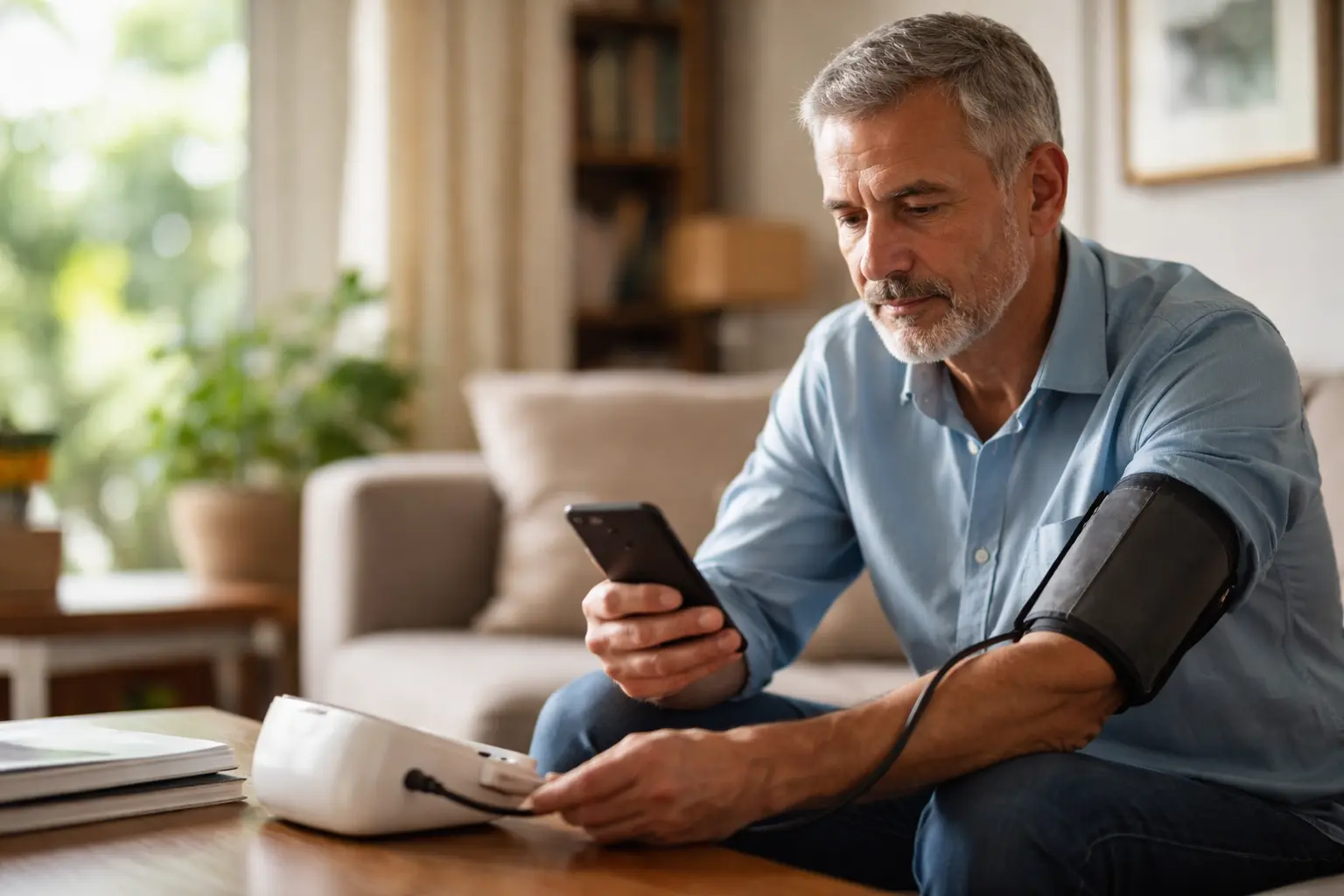
You’re tired of guessing whether your blood pressure is actually fine or if something’s creeping up on you, so you finally decide to track it, but the whole setup feels overwhelming and you’re not even sure which device won’t collect dust in your drawer within a week, which is exactly why understanding telemonitoring blood pressure effectiveness can transform how you take control of your health without the stress.
Choosing the right device
Finding the right blood pressure monitor is more nuanced than just grabbing the cheapest option at the pharmacy. Start by thinking about your lifestyle. Are you someone who travels frequently? Then a compact, portable device with a smaller cuff might work better. Do you prefer simplicity, or are you comfortable with apps and data syncing? Look for brands like Omron, Withings, or Qardio that have solid reputations among young adults. Check the cuff size carefully, because an ill-fitting cuff is one of the biggest culprits behind inaccurate readings. Your arm circumference matters, so measure it before buying. Validate that the device is clinically validated, meaning medical professionals have tested it and confirmed its accuracy. Battery life also matters more than you might think. If you need to charge your device every two days, you’ll eventually skip readings. Consider whether you want a fully automatic device that does the work for you, or if you prefer a manual option. Most young adults benefit from automatic devices since they’re more forgiving and consistent.
- Check for compatibility with your smartphone or tablet for easy data tracking.
- Ensure the device is validated for accuracy by medical professionals.
- Consider the battery life and ease of use when making your selection.
Setting up your device
Once you’ve chosen your device, setup is straightforward but requires attention to detail. Download the manufacturer’s app first, before you even unbox the monitor. This prevents frustration later when you realize the app requires an account or specific phone permissions. Follow the pairing instructions carefully, which usually involves turning on Bluetooth on your phone and holding the monitor close to your device. Some apps ask for health data like your age, weight, and medical history, so have that information ready. Position the cuff correctly on your arm, about an inch above your wrist, with your arm at heart level. This is crucial. Many young adults make the mistake of taking readings while sitting at their desk with their arm resting on the desk, which skews results. Instead, sit with your back supported, feet flat on the floor, and your arm resting on a table at heart height. Take a few practice readings to get comfortable with the process. Don’t be alarmed if your first reading seems high, nervous energy can temporarily raise blood pressure.
📘 Fix your day in under 2 minuteschoose where to begin:
Recording and analyzing data
Consistency transforms raw data into meaningful insights. Choose a specific time each day for your reading, ideally in the morning before caffeine or stress kicks in, or in the evening when you’re calm. Many young adults find morning readings most reliable because blood pressure naturally fluctuates throughout the day based on activity, stress, and food intake. Record your readings at the same time for at least two weeks to establish a baseline. Most apps automatically log your data, but manually noting the date and time helps you spot patterns. After two to three weeks, look at your app’s graph feature. You’ll start seeing trends. Maybe your readings spike on days after late nights, or after stressful work meetings. These patterns are gold because they show you what actually affects your blood pressure. Don’t obsess over single readings. One high reading doesn’t mean something is wrong. Instead, look at the overall trend. If you notice a consistent upward trend over weeks, that’s when you contact your doctor. The app’s analytics features often highlight weekly or monthly averages, which are far more meaningful than daily fluctuations.
Understanding your readings
Blood pressure readings come as two numbers: systolic (top) and diastolic (bottom). Normal for young adults is generally below 120/80 mmHg. Elevated is 120-129 and less than 80. High blood pressure stage 1 starts at 130/80. Understanding where you fall helps you know whether to take action. But here’s what many young adults miss: your reading is just one data point. Context matters enormously. Were you stressed when you took it? Had you just had coffee? Were you sitting properly? These factors genuinely affect results. Keep a simple log noting what you were doing before each reading. Over time, you’ll see if your elevated readings correlate with specific behaviors or situations. Some young adults discover their readings spike only after intense workouts or during stressful periods, which is actually normal. Others find that readings stay consistently high regardless of circumstances, which warrants a conversation with a healthcare provider. Don’t self-diagnose or panic based on one reading. Instead, use your data as a conversation starter with your doctor.
Establishing a routine
The real power of telemonitoring comes from consistency, not from occasional checks. Build blood pressure monitoring into an existing daily habit. Many young adults attach it to their morning routine, right after brushing their teeth or while their coffee brews. Set a phone reminder for the same time each day, at least for the first month until it becomes automatic. Beyond just taking readings, use this as a moment to reflect on your overall health. Are you sleeping enough? How’s your stress level? Have you moved your body today? Blood pressure responds to all of these factors. Make lifestyle adjustments alongside monitoring. Regular exercise, even 30 minutes of walking most days, genuinely lowers blood pressure. Reduce sodium intake by cooking at home more often and checking labels on packaged foods. Manage stress through whatever works for you, whether that’s meditation, journaling, or talking to friends. Limit alcohol and avoid smoking. These aren’t just generic health tips, they’re the actual levers that control your blood pressure. As you establish your routine, you’ll notice that monitoring becomes less about anxiety and more about empowerment. You’re actively managing your health instead of wondering if something is wrong.
Setting up a telemonitoring system for blood pressure is a practical step toward taking control of your cardiovascular health. Start by choosing a validated device that fits your lifestyle and is compatible with your phone. Take time to set it up correctly, paying special attention to proper positioning and consistent timing. Record your readings daily at the same time to build meaningful data, then use your app’s analytics to spot trends rather than obsessing over individual numbers. Learn what your readings mean and how lifestyle factors influence them, but remember to consult your doctor if you notice persistent patterns of concern. Finally, weave monitoring into your daily routine and pair it with real lifestyle changes like exercise, better nutrition, and stress management. These steps transform telemonitoring from a chore into a sustainable habit that genuinely supports your long-term health.
How often should I monitor my blood pressure with a telemonitoring device?
For accurate results, aim to monitor your blood pressure at least once a day at the same time. This consistency helps in tracking any fluctuations over time. Some people benefit from two readings per day, especially morning and evening, to capture a fuller picture. Avoid taking multiple readings in quick succession, as this can artificially elevate your pressure. If your doctor has recommended more frequent monitoring due to specific health concerns, follow their guidance.
Can I rely solely on a telemonitoring device for managing my blood pressure?
While telemonitoring devices are valuable tools, it’s essential to consult with a healthcare professional for a comprehensive understanding of your blood pressure readings and any necessary treatment plans. Your doctor can interpret your data in context of your overall health, family history, and lifestyle. They can also rule out underlying conditions and recommend medication if needed. Think of your telemonitoring device as a conversation starter with your doctor, not a replacement for professional medical advice.
Others also read:
Disclaimer: This article is for informational purposes only and is not a substitute for professional medical advice. Always consult a healthcare professional for personal guidance.
This guide has been prepared and reviewed by the GlobalHealthBeacon editorial team and reflects current medical research as of 2026. It provides structured, evidence-based information to support informed health decisions.
← Go to the telemonitoring blood pressure effectiveness main guide
