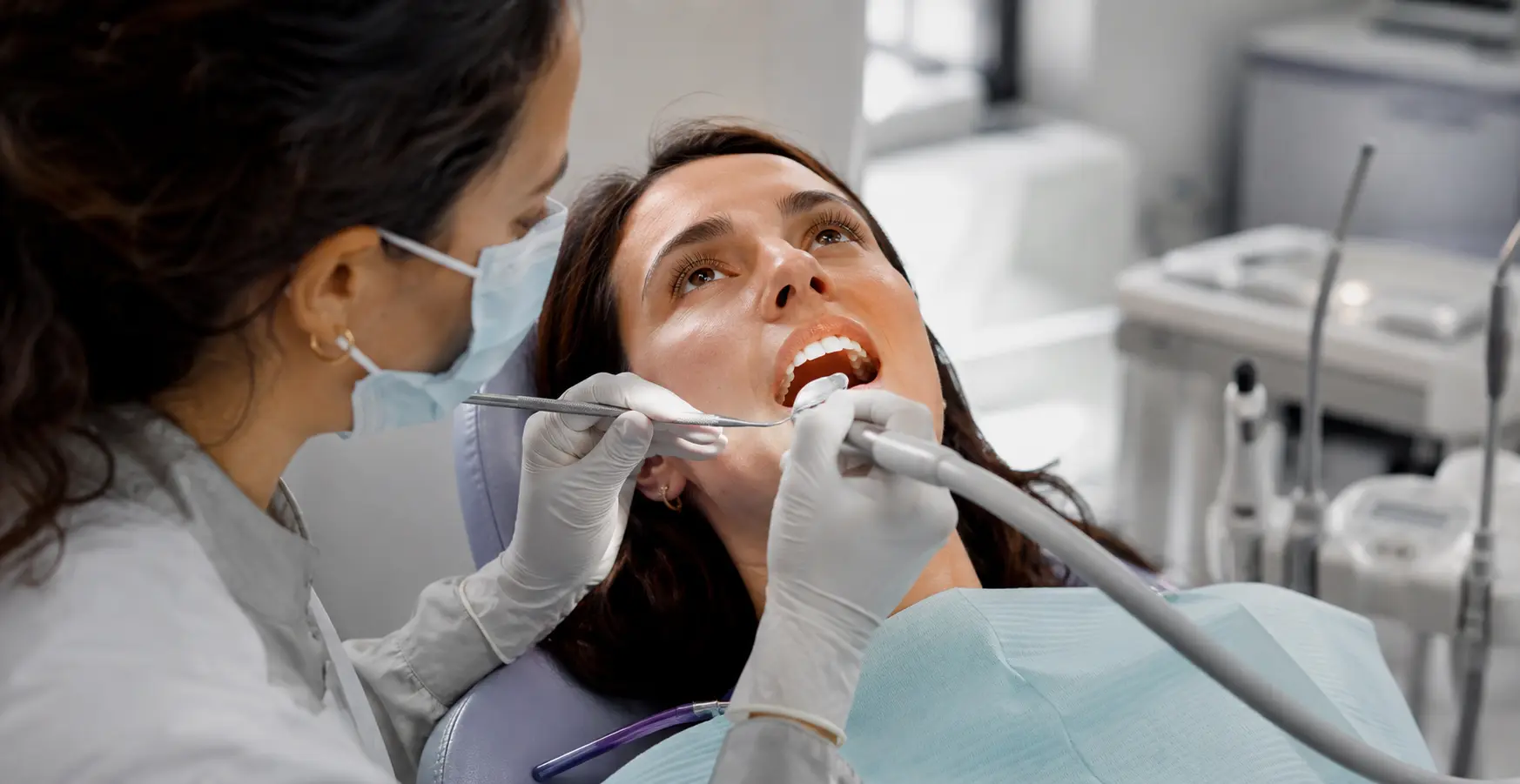
You look in the mirror and see teeth that don’t match the confident woman staring back at you, so you start researching veneers pros and cons at midnight, wondering if this is finally the answer to the smile you’ve always wanted.
Understanding veneers: what are they?
Veneers are thin, custom-made shells typically crafted from porcelain or composite resin that bond directly to the front surface of your teeth. Think of them like a tailored jacket for your smile. They’re designed to address a range of concerns that many women face: discoloration from years of coffee or wine, chips from accidents, worn edges from grinding, or simply teeth that never aligned the way you hoped. A porcelain veneer is typically about 0.5 millimeters thick, yet it can completely transform how your teeth look and feel. Composite veneers are slightly thicker but offer a faster application process. The beauty of veneers is their versatility. Whether you want to brighten yellowed teeth, close small gaps, adjust the shape of naturally pointed canines, or extend teeth that appear too short, veneers can be customized to your exact specifications. Your dentist will work with you to match the shade, shape, and size to either your natural teeth or your desired aesthetic. For many women, veneers represent a turning point, a moment when they finally feel like their outside matches their inside.
- Veneers can improve the color, shape, size, and length of teeth.
- They are a popular option for those looking to enhance their smile.
- Veneers are a long-lasting solution with proper care and maintenance.
Pros of veneers
The advantages of veneers extend far beyond simple aesthetics. First, they deliver immediate results. Unlike orthodontics, which can take years, veneers typically require just two to three appointments to complete. You walk out with a transformed smile in weeks, not years. Second, porcelain veneers are remarkably stain-resistant compared to natural teeth, which means your investment stays bright even if you continue enjoying your morning coffee or red wine. Third, they require minimal tooth preparation compared to crowns, which means your dentist removes only a thin layer of enamel, preserving more of your natural tooth structure. Many women appreciate that veneers feel natural in the mouth and don’t require the extensive grinding down that crowns demand. Fourth, veneers are highly customizable. Your dentist can adjust the exact shade to match your skin tone, the shape to complement your face, and even the slight translucency to mimic how light passes through real teeth. Fifth, they’re durable. With proper care, porcelain veneers can last 10 to 15 years or longer, making them a solid long-term investment. Finally, veneers can boost confidence dramatically. Many women report feeling more willing to smile in photos, speak up in meetings, and engage socially after getting veneers.
📘 Fix your day in under 2 minuteschoose where to begin:
Cons of veneers
Before committing to veneers, it’s crucial to understand the trade-offs involved. First, the process is irreversible. Once your dentist removes that layer of enamel, it’s gone permanently. Your teeth will always need some form of covering, whether that’s veneers or another restoration. This is a significant decision that requires confidence in your choice. Second, tooth sensitivity is common immediately after placement. Some women experience discomfort when eating hot or cold foods for a few weeks or even months as the tooth adjusts. This usually subsides, but it’s worth knowing upfront. Third, veneers can chip or crack under pressure. Biting down on hard candy, ice, or using your teeth to open packages can damage them. If you grind your teeth at night, you’ll need a protective night guard to prevent damage. Fourth, veneers require maintenance and eventual replacement. They don’t last forever. After 10 to 15 years, they may need replacing, which involves removing the old veneer and placing a new one. This means ongoing costs. Fifth, the initial investment is substantial. Porcelain veneers typically cost between 800 and 2,000 dollars per tooth, and most women get at least four to eight done for a full smile transformation. Finally, not all dentists are equally skilled at veneer placement. Poor placement can result in an unnatural appearance, gaps, or misalignment that requires correction.
Maintaining veneers
Once you’ve invested in veneers, protecting them becomes part of your daily routine. Start with oral hygiene basics: brush twice daily with a non-abrasive, low-fluoride toothpaste, and floss gently around the veneer edges where they meet your natural tooth. Use a soft-bristled toothbrush to avoid scratching the veneer surface. Avoid aggressive brushing, which can wear down the bonding material over time. Second, be mindful of your diet and habits. Skip hard foods like nuts, hard candy, and ice. If you chew gum, choose sugar-free varieties and avoid sticky brands that can pull at the veneers. Don’t use your teeth as tools to open packages, bottles, or bags. Third, if you grind your teeth at night, ask your dentist about a custom night guard. Grinding can crack veneers and damage the underlying tooth. Fourth, schedule dental check-ups every six months so your dentist can monitor the veneers and catch any issues early. Fifth, avoid staining habits where possible. While veneers resist stains better than natural teeth, the bonding material around the edges can discolor. Limit dark beverages like coffee, red wine, and cola, or use a straw when drinking them. Finally, protect your veneers during physical activities. If you play contact sports, wear a mouthguard to prevent chips or cracks from impact.
Consultation and decision
Before scheduling your veneer procedure, have a thorough consultation with your dentist. This conversation is your chance to discuss your specific goals and concerns. Bring photos of smiles you admire so your dentist understands your vision. Be honest about your budget, timeline, and expectations. A skilled dentist will explain the process step by step, show you before-and-after photos of their work, and discuss realistic outcomes for your unique situation. They’ll also assess whether veneers are truly the best option for you or if alternatives like bonding, whitening, or orthodontics might better serve your needs. Ask about their experience with veneer placement and request to see examples of their work. Consider the long-term commitment involved. Veneers aren’t a one-time fix; they require ongoing maintenance and eventual replacement. Think about whether you’re comfortable with this level of commitment and cost over the next 10 to 15 years. Also discuss what happens if you’re unhappy with the results. Some dentists offer adjustments or replacements within a certain timeframe. Finally, take time to sit with your decision. Don’t rush into veneers because of social pressure or a sale. This is your smile, and you deserve to feel completely confident in your choice before moving forward.
Veneers offer a transformative cosmetic solution for improving your smile, delivering natural-looking results and lasting durability when properly maintained. However, they come with important considerations: they’re irreversible, require ongoing care, and represent a significant financial investment. The decision to get veneers should be made thoughtfully after consulting with a skilled dentist who understands your goals and can honestly assess whether veneers align with your needs and expectations.
Are veneers a permanent solution?
Veneers are considered long-lasting but not permanent. Porcelain veneers typically last 10 to 15 years with proper care before needing replacement. The process of getting new veneers is similar to the original procedure, though your dentist may need to remove the old veneer first. Composite veneers have a shorter lifespan, usually 5 to 7 years, and may need more frequent touch-ups or replacements.
Can veneers be whitened?
Veneers themselves cannot be whitened because they’re made from porcelain or composite material that doesn’t respond to whitening treatments. However, the natural teeth around and behind your veneers can still discolor over time. If your surrounding teeth become darker, your dentist can recommend professional whitening treatments to maintain a consistent, bright appearance across your entire smile. This is why discussing your long-term whitening plans during your consultation is important.
Others also read:
Disclaimer: This article is for informational purposes only and is not a substitute for professional medical advice. Always consult a healthcare professional for personal guidance.
This guide has been prepared and reviewed by the GlobalHealthBeacon editorial team and reflects current medical research as of 2026. It provides structured, evidence-based information to support informed health decisions.
