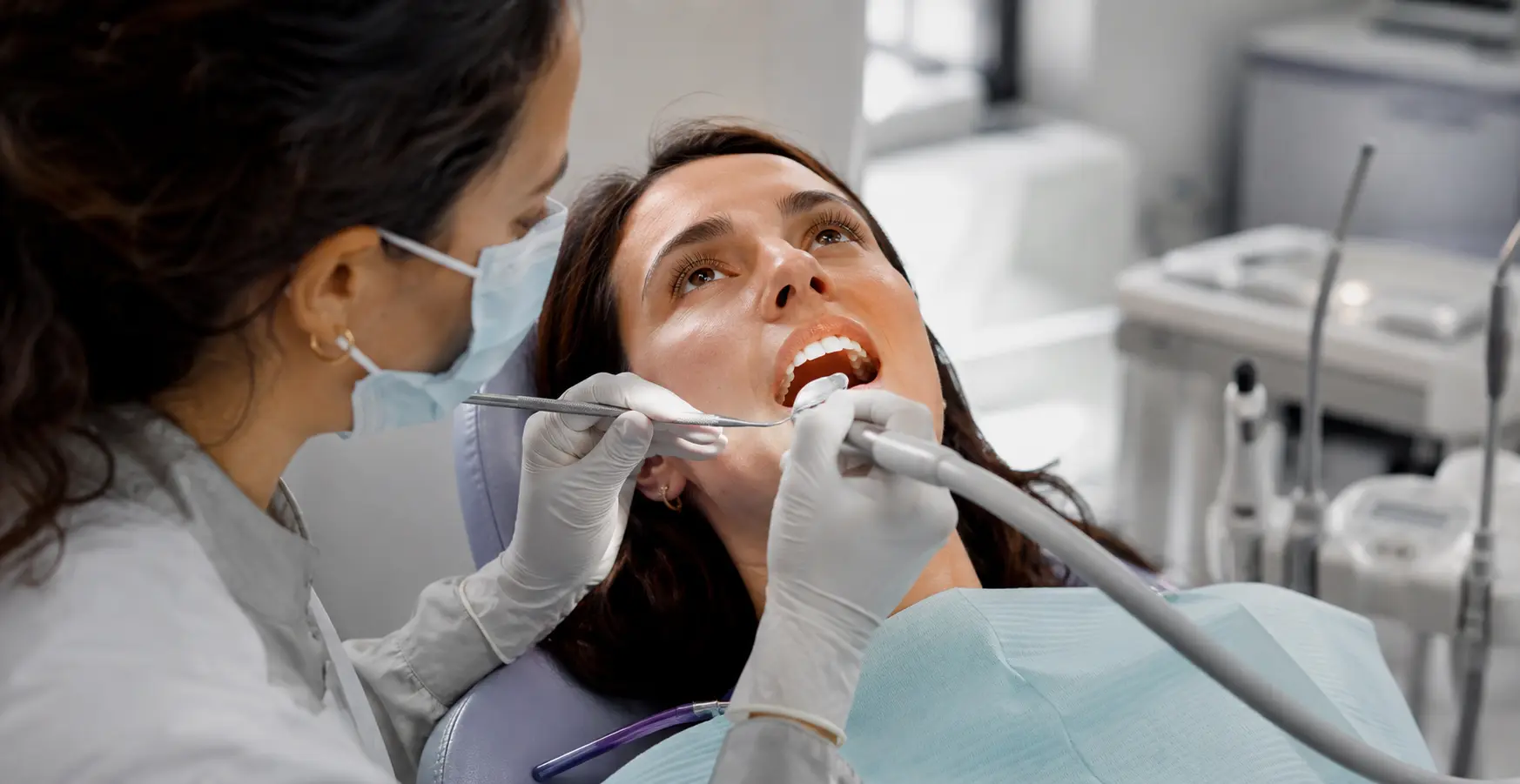
You catch your reflection and immediately think about your smile, noticing that chip, that stain, or that slight misalignment that’s been bothering you for years, and suddenly veneers seem like the answer to everything, but before you book that appointment, you need to understand the real veneers pros and cons so you can make a choice you won’t regret.
Understanding veneers: an overview
Veneers are thin, custom-made shells typically crafted from porcelain or composite resin that bond directly to the front surface of your teeth. Think of them like a protective layer that covers imperfections while maintaining the natural structure underneath. The science behind veneers involves precise dental preparation and adhesive technology that has evolved significantly over the past two decades. When you sit in the dentist’s chair for a veneer consultation, they’re essentially assessing whether your tooth structure can support this restoration. Porcelain veneers, for instance, require a specific thickness to function properly, usually between 0.5 to 0.7 millimeters. Composite veneers, made from tooth-colored resin, offer a different approach and can sometimes be applied with less tooth preparation. The bonding process itself uses dental cement and etching techniques that create a mechanical and chemical bond between the veneer and your natural tooth. This is why the preparation phase is so critical, as it determines how long your veneers will actually last and how natural they’ll appear.
Pros of veneers
The advantages of veneers extend beyond simple cosmetic improvement. Porcelain veneers resist staining far better than natural tooth enamel, meaning your smile stays bright even if you’re a coffee drinker or enjoy red wine regularly. The aesthetic results are remarkably natural when done by an experienced cosmetic dentist, as modern porcelain mimics the light-reflecting properties of real teeth. Many young adults choose veneers because they can address multiple concerns simultaneously, from discoloration to minor spacing issues to chips from sports injuries or accidents. The durability factor is significant too, with quality porcelain veneers lasting 10 to 15 years or longer with proper care. Unlike some cosmetic procedures that require frequent touch-ups, veneers offer a relatively stable solution. The procedure is also minimally invasive compared to other restorative options like crowns, which require more extensive tooth reduction. For someone who’s self-conscious about their smile, the confidence boost can be genuinely transformative, affecting everything from social interactions to professional presentations.
Cons of veneers
Here’s where the reality check comes in. Veneers are essentially irreversible because the process involves removing a thin layer of enamel from your tooth surface. Once that enamel is gone, it doesn’t grow back, which means you’re committed to having some form of restoration on that tooth for life. The financial investment is substantial, typically ranging from 800 to 2,500 dollars per tooth depending on the material and your location. There’s also the risk of chipping or cracking, especially if you have habits like nail-biting, chewing ice, or using your teeth as tools. Some people experience sensitivity after placement, though this usually subsides within a few weeks. If you have significant dental issues like severe decay, gum disease, or misalignment, veneers might not be the right solution and could actually mask problems that need proper treatment first. Additionally, veneers may need replacement eventually, which means additional costs down the road. The process also requires multiple dental visits and can take several weeks from consultation to final placement.
- Schedule a consultation with a qualified cosmetic dentist who can evaluate your specific dental situation and discuss whether veneers align with your goals and budget.
- Have an honest conversation about your expectations, concerns, and any habits that might affect veneer longevity, such as teeth grinding or contact sports.
- Undergo a comprehensive oral health examination to ensure you don’t have underlying issues like decay or gum disease that need treatment before veneer placement.
🔬 Science-backed benefits in 2 minuteschoose where to begin:
Maintaining veneers
Once you have veneers, maintenance becomes part of your routine. Regular brushing with a non-abrasive toothpaste and flossing daily helps protect both the veneer and the underlying tooth structure. Dental check-ups every six months allow your dentist to monitor the integrity of your veneers and catch any early signs of damage. Avoiding certain habits is crucial, like biting down on hard objects, chewing ice, or using your teeth to open packages. If you grind your teeth at night, a custom nightguard can prevent significant damage to your veneers. Be mindful of extreme temperature changes too, as moving quickly from hot coffee to cold water can sometimes cause stress on the bonding material. Some dentists recommend avoiding very hard or sticky foods that could potentially dislodge or crack a veneer. The good news is that with these precautions, many people enjoy their veneers for well over a decade without major issues. Think of it like caring for any investment in your appearance, it requires attention but isn’t overly complicated.
Considering alternatives
Before committing to veneers, explore what else is available. Professional teeth whitening can dramatically improve the appearance of stained teeth at a fraction of the cost and without any permanent alteration. Dental bonding uses composite resin to address chips and minor imperfections, and while it’s less durable than veneers, it’s reversible and more affordable. Orthodontic treatment like braces or clear aligners can correct misalignment issues that might otherwise seem like veneer candidates. For minor gaps or spacing issues, bonding alone might be sufficient. Gum contouring can improve your smile’s proportions if the issue is more about gum display than tooth appearance. Some people benefit from a combination approach, using whitening first, then assessing whether veneers are still necessary. The key is having a thorough consultation where your dentist presents all options and their respective timelines, costs, and longevity. What works for your friend might not be ideal for your specific situation, so personalized evaluation matters tremendously.
Final thoughts
Veneers can genuinely transform your smile and boost your confidence, but they’re a significant decision that deserves careful consideration. The science is sound, the results can be beautiful, but the permanence and cost require honest reflection about whether this aligns with your priorities and lifestyle. Take time to research dentists, look at before-and-after photos, and read reviews from other young adults who’ve had the procedure. Don’t rush into it just because you’re feeling self-conscious about your smile on a particular day. Instead, sit with the decision for a few weeks, maybe discuss it with people you trust, and make sure you’re choosing veneers for the right reasons. A qualified cosmetic dentist should never pressure you and should always present the full picture, including realistic expectations and potential complications. Your smile is uniquely yours, and whatever you decide, make sure it’s a choice that feels right for your future.
Veneers offer a scientifically-backed cosmetic solution for various dental imperfections, but their permanent nature and financial investment require careful evaluation. Understanding both the advantages like durability and stain resistance alongside the drawbacks like irreversibility and cost helps you make an informed decision. Regular dental care and proper maintenance are essential for maximizing veneer longevity, and exploring alternative treatments ensures you’ve considered all options before committing to this procedure.
Are veneers a permanent solution?
Yes, veneers are considered a permanent dental treatment because the procedure involves removing a layer of tooth enamel before placement. Once placed, veneers typically last 10 to 15 years or longer with proper care, but they will eventually need replacement. The permanent aspect refers to the fact that you cannot simply remove them and return your tooth to its original state, as the enamel removal is irreversible.
Can veneers stain or discolor over time?
Porcelain veneers are highly resistant to stains compared to natural teeth because porcelain doesn’t absorb pigments the way tooth enamel does. However, the edges where the veneer meets your natural tooth can potentially stain if proper oral hygiene isn’t maintained. Composite resin veneers are more susceptible to staining than porcelain. Consuming staining foods and drinks like coffee, red wine, or berries, along with smoking, can gradually affect the appearance of veneers over many years.
Others also read:
Disclaimer: This article is for informational purposes only and is not a substitute for professional medical advice. Always consult a healthcare professional for personal guidance.
This article has been prepared and reviewed by the GlobalHealthBeacon editorial team and is based on current medical research and published scientific literature available in 2026. It provides structured, evidence-based information to support informed health decisions.
