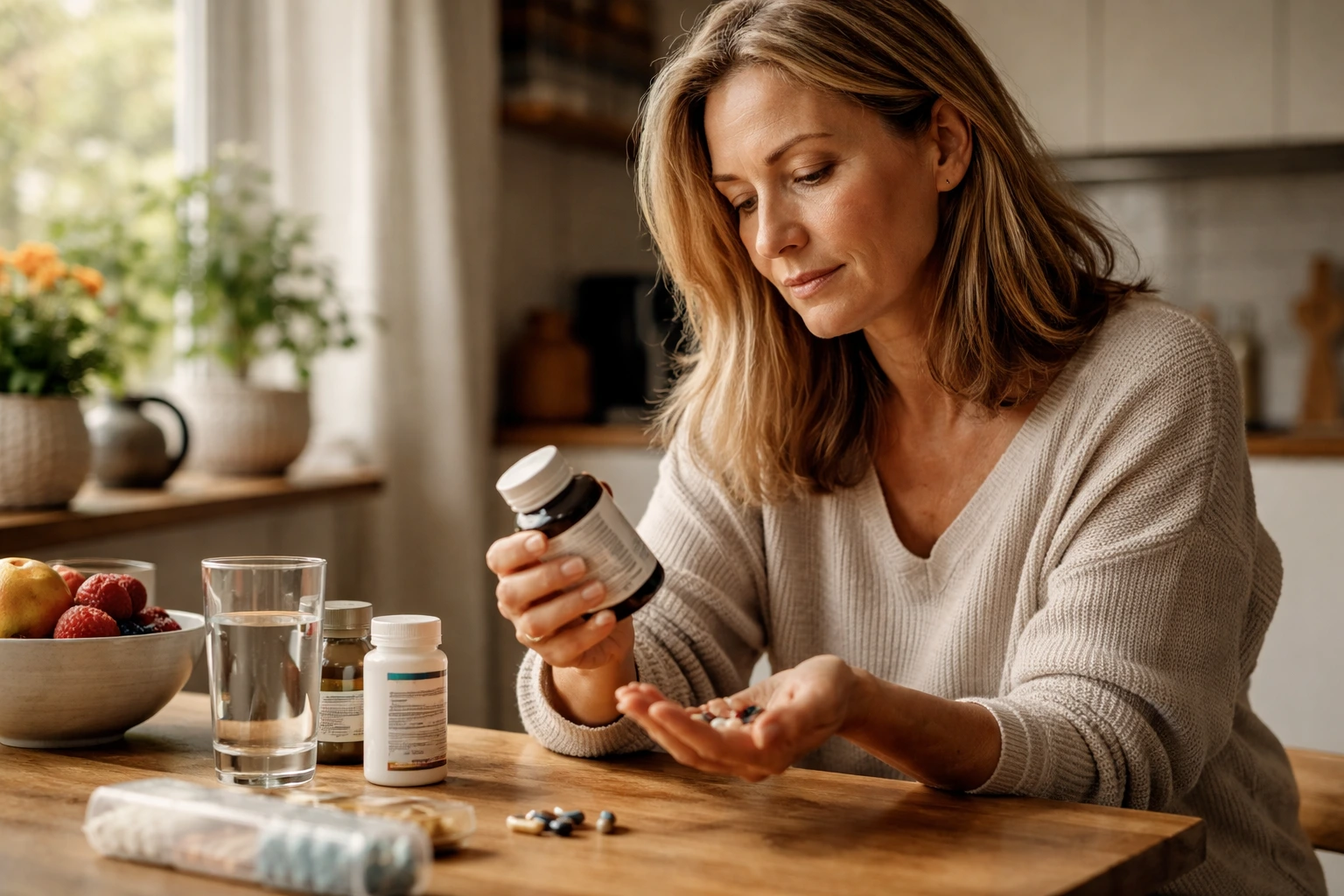
Night sweats drenching your sheets, mood swings that catch you off guard, and that bone-deep fatigue that won’t quit – perimenopause can feel like your body has turned against you, but understanding vitamins for perimenopause is the first step toward reclaiming control of this natural transition.
Vitamin D and hormonal balance
Vitamin D functions as far more than just a bone-health nutrient. During perimenopause, your body experiences significant fluctuations in estrogen and progesterone, and vitamin D plays a regulatory role in this delicate hormonal dance. Research has shown that women with insufficient vitamin D levels often report more severe hot flashes, night sweats, and mood disturbances. Consider Sarah, a 52-year-old who struggled with intense hot flashes for months. After her doctor discovered her vitamin D level was critically low at 18 ng/mL, she began supplementing and spending more time outdoors. Within eight weeks, the frequency and intensity of her episodes noticeably decreased. Vitamin D receptors are found throughout the brain and reproductive tissues, which explains why deficiency can amplify perimenopausal symptoms. The recommended level for most adults is 30 ng/mL or higher, though some experts suggest 40-60 ng/mL for optimal hormonal support during this phase.
Vitamin E: antioxidant powerhouse
Your cells are under constant attack from free radicals, unstable molecules that damage cellular structures and accelerate aging. Vitamin E is a fat-soluble antioxidant that neutralizes these free radicals before they cause harm. During perimenopause, hormonal shifts increase oxidative stress throughout your body, making antioxidant protection especially important. Think of vitamin E as a shield protecting your cells from invisible damage. Women who maintain adequate vitamin E intake often report less joint inflammation, better skin quality, and reduced hot flash severity. One practical approach is incorporating vitamin E-rich foods like almonds, sunflower seeds, and spinach into daily meals. A handful of almonds as a snack provides about 7 mg of vitamin E. Some women find that combining vitamin E with vitamin C creates a synergistic effect, as these antioxidants work together to regenerate each other and provide more comprehensive cellular protection throughout this transitional phase.
The importance of vitamin B complex
The B vitamins are your nervous system’s best friends during perimenopause. B6, B12, and folate work together to regulate neurotransmitters like serotonin and dopamine, the chemicals that control mood and stress response. When these are depleted, mood swings intensify and fatigue becomes overwhelming. Imagine feeling emotionally stable one moment and tearful the next, or waking up exhausted despite eight hours of sleep. This is what many women experience when B vitamin levels drop. B6 specifically helps your body produce serotonin and manage stress hormones like cortisol. B12 supports energy production at the cellular level and maintains nerve function. Many women over 50 have reduced ability to absorb B12 from food alone, making supplementation or fortified foods increasingly important. A simple strategy is starting your day with a B-complex supplement alongside breakfast, or choosing fortified cereals and plant-based milks. Tracking your energy and mood for two weeks before and after adding B vitamins often reveals noticeable improvements in both areas.
- Include foods rich in vitamin B complex in your diet such as eggs, chickpeas, mushrooms, and whole grains.
- Consider taking a high-quality vitamin B complex supplement that includes B6, B12, and folate in bioavailable forms.
- Consult with a healthcare provider to determine the appropriate dosage based on your individual absorption capacity and symptoms.
🔬 Science-backed benefits in 2 minuteschoose where to begin:
Vitamin C for collagen production
Collagen is the protein that holds your skin, bones, and connective tissues together. As estrogen declines during perimenopause, collagen production naturally slows, leading to thinner skin, weaker bones, and joint stiffness. Vitamin C is essential for collagen synthesis because it stabilizes and cross-links collagen molecules, making them stronger and more resilient. Without adequate vitamin C, your body cannot effectively build new collagen even if you have all the amino acids available. Picture the difference between a well-maintained bridge and one with crumbling support beams. That’s what happens to your skin and bones without sufficient collagen. Citrus fruits, berries, bell peppers, and broccoli are excellent sources. A single orange provides about 70 mg of vitamin C, while one red bell pepper contains over 150 mg. Many women find that combining adequate vitamin C intake with consistent sun protection and hydration creates visible improvements in skin texture and firmness within 8-12 weeks. Some also notice reduced joint pain and improved bone density markers when vitamin C is part of a comprehensive nutritional approach.
Omega-3 fatty acids for inflammation
Inflammation is the silent companion of perimenopause. As hormone levels shift, your immune system becomes more reactive, triggering inflammation throughout your body. This manifests as joint pain, muscle aches, and even contributes to mood changes and brain fog. Omega-3 fatty acids are powerful anti-inflammatory compounds that reduce the production of inflammatory molecules in your body. Fatty fish like salmon, mackerel, and sardines are rich sources, providing 2-3 grams of omega-3s per serving. A woman experiencing persistent knee pain and shoulder stiffness might notice significant relief within 4-6 weeks of consistently consuming omega-3s. Flaxseeds and chia seeds offer plant-based alternatives, though they require conversion in your body and are less efficient than fish sources. A practical approach is eating fatty fish twice weekly and adding ground flaxseeds to oatmeal or yogurt. Some women combine omega-3 supplementation with turmeric and ginger, creating a multi-layered anti-inflammatory strategy that addresses joint pain and systemic inflammation simultaneously.
Zinc: immune system support
Your immune system is intricately connected to your hormonal system. During perimenopause, as estrogen declines, immune function can become dysregulated, leaving you more vulnerable to infections and slower to recover from illness. Zinc is a critical mineral that supports immune cell development and function. It also plays a role in regulating inflammatory responses and supporting wound healing. Women with zinc deficiency often experience more frequent colds, slower recovery times, and increased susceptibility to infections. Oysters contain more zinc per serving than almost any other food, but if shellfish isn’t appealing, beef, pumpkin seeds, and chickpeas are reliable alternatives. A single ounce of pumpkin seeds provides about 9 mg of zinc. The recommended daily intake for women over 50 is 8 mg, though some women benefit from slightly higher amounts during perimenopause. Maintaining adequate zinc also supports skin healing and hair health, both of which can be affected by hormonal changes. Many women find that consistent zinc intake, combined with adequate sleep and stress management, creates noticeable improvements in how quickly they recover from illness.
Vitamins and minerals including D, E, B complex, C, omega-3 fatty acids, and zinc each play distinct roles in supporting your body through perimenopause. Vitamin D regulates hormones, vitamin E protects cells from damage, B vitamins stabilize mood and energy, vitamin C maintains collagen and bone strength, omega-3s reduce inflammation, and zinc supports immune function. Rather than viewing these as isolated supplements, think of them as an integrated support system addressing the multiple dimensions of this life transition. A comprehensive approach combining food sources with targeted supplementation, guided by your healthcare provider, offers the best foundation for managing symptoms and maintaining health during this natural phase.
Can vitamins alone alleviate all perimenopause symptoms?
While vitamins play a significant role in managing perimenopause symptoms, they work best as part of a comprehensive approach that includes adequate sleep, regular movement, stress management, and professional medical guidance. Some symptoms may require additional interventions beyond nutrition. Consulting with a healthcare provider helps identify which symptoms might benefit from vitamins versus those needing other support.
Are there specific foods that naturally provide these vitamins?
Yes, fatty fish like salmon and sardines provide both vitamin D and omega-3s. Leafy greens offer vitamin K and folate. Citrus fruits and bell peppers are vitamin C powerhouses. Nuts and seeds provide vitamin E and zinc. Eggs contain B vitamins and vitamin D. Building meals around these whole foods often provides adequate nutrition without supplements, though individual absorption and needs vary.
Disclaimer: This article is for informational purposes only and is not a substitute for professional medical advice. Always consult a healthcare professional for personal guidance.
This article has been prepared and reviewed by the GlobalHealthBeacon editorial team and is based on current medical research and published scientific literature available in 2026. It provides structured, evidence-based information to support informed health decisions.
