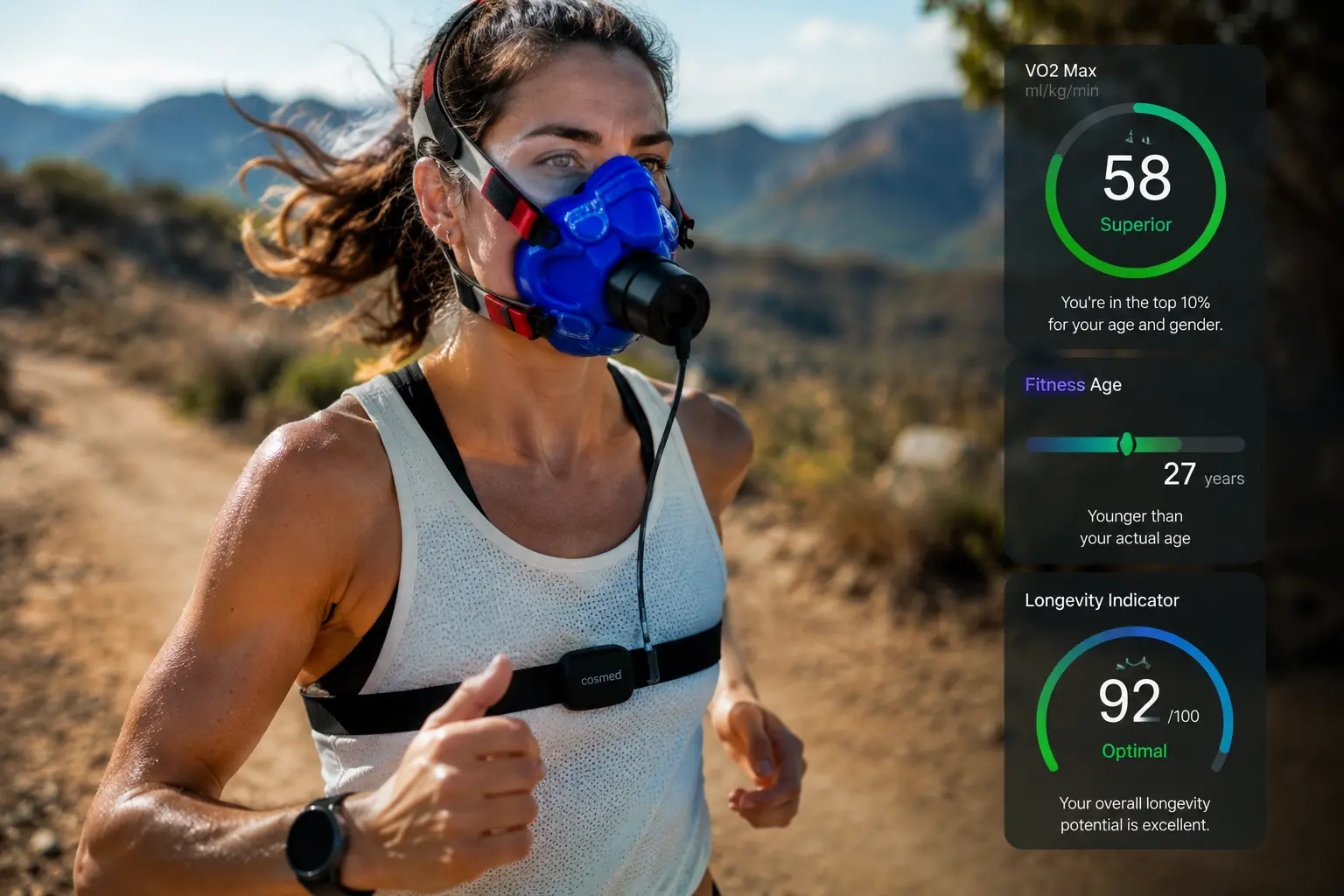
You’re winded after climbing one flight of stairs, your body feels heavier than it used to, and you wonder if this is just what getting older means, but what if the real culprit is your vo2 max longevity marker silently declining and stealing your vitality?
Understanding VO2 max and longevity
VO2 max is the maximum amount of oxygen your body can utilize during exercise, and honestly, it’s one of the most telling markers of how well your cardiovascular system is aging. Think of it this way: when you were younger, your body could grab oxygen from the air and use it efficiently to power your muscles. As we age, that ability naturally declines, which is why climbing stairs or walking briskly becomes harder. But here’s the thing that most seniors don’t realize: this decline isn’t inevitable. By understanding what VO2 max actually measures, you gain insight into your body’s efficiency. It’s not just about fitness; it’s about how well your heart, lungs, and muscles work together as a team. Research consistently shows that people with higher VO2 max levels live longer, healthier lives with fewer chronic diseases. When you understand this connection, you shift from feeling helpless about aging to feeling empowered to do something about it.
- VO2 max reflects your body’s ability to transport and use oxygen efficiently.
- Regular exercise can boost your VO2 max, slowing down the decline associated with aging.
- Higher VO2 max levels are linked to better cardiovascular health and longevity.
Boosting VO2 max through exercise
Here’s where the real transformation happens. Incorporating aerobic exercises like brisk walking, cycling, or swimming into your routine isn’t just about moving your body; it’s about training your cardiovascular system to work smarter. Imagine your heart as a muscle that gets stronger with the right kind of challenge. When you do moderate aerobic activity, you’re essentially telling your heart, lungs, and blood vessels: ‘Hey, we need to be more efficient.’ Start with what feels manageable, maybe a 20-minute walk three times a week, then gradually increase the intensity or duration. Many seniors find that mixing different activities keeps things interesting and works different muscle groups. Some people see noticeable improvements in their stamina within just four to six weeks of consistent effort. The key is consistency, not perfection. Even if you can only manage two days a week initially, that’s better than waiting for the perfect moment to start.
💬 Ready to feel better in 2 minutes?choose where to begin:
Maintaining a healthy lifestyle for longevity
Exercise is only part of the puzzle, and many seniors discover this the hard way. Your diet matters tremendously because your body needs the right fuel to build cardiovascular strength. Think about eating more colorful vegetables, lean proteins, and whole grains, not because some diet says you should, but because these foods give your heart and muscles what they actually need. Staying hydrated is surprisingly important too; dehydration makes your heart work harder. Then there’s sleep, which is where your body actually repairs and strengthens itself. If you’re not sleeping seven to eight hours, you’re missing a critical window for recovery. Stress management, whether through gentle yoga, meditation, or simply spending time with loved ones, directly impacts your heart health. Small changes compound over time. One senior we know started drinking more water, added a 15-minute evening walk, and improved her sleep by putting her phone away an hour before bed. Within three months, she noticed she wasn’t as winded during daily activities.
Tracking your progress and staying motivated
Motivation often fades when you can’t see progress, so tracking becomes your secret weapon. Keep a simple log of your exercise sessions, noting how you felt and how far you went. After a few weeks, you’ll notice patterns: maybe you walked a bit farther, or your breathing felt easier, or you recovered faster after exertion. These small wins are huge. Some seniors use fitness trackers or smartwatches, while others prefer a notebook. The tool doesn’t matter; what matters is having tangible evidence that your body is responding. Set realistic goals, like ‘I’ll walk 30 minutes three times this week’ rather than ‘I’ll transform my fitness in a month.’ Celebrate when you hit those goals, even if it seems small. Tell a friend, treat yourself to something you enjoy, or simply pause and acknowledge that you’re taking charge of your health. This positive reinforcement keeps you coming back, and over months and years, these consistent efforts compound into genuinely better cardiovascular fitness and quality of life.
Understanding the significance of VO2 max in healthy aging is key for seniors looking to maintain their vitality. By engaging in regular exercise, adopting a healthy lifestyle, and tracking their progress, seniors can enhance their cardiovascular fitness and overall well-being for a fulfilling and active aging journey.
Can VO2 max be improved in seniors?
Yes, seniors can improve their VO2 max through regular aerobic exercise that challenges the cardiovascular system. Consistent physical activity can help counteract the natural decline in VO2 max associated with aging.
How often should seniors exercise to boost their VO2 max?
Seniors should aim for at least 150 minutes of moderate aerobic exercise per week, as recommended by health guidelines. This frequency helps improve cardiovascular health and maintain or increase VO2 max levels in seniors.
Others also read:
Disclaimer: This article is for informational purposes only and is not a substitute for professional medical advice. Always consult a healthcare professional for personal guidance.
This article presents an experience-based perspective and has been reviewed by the GlobalHealthBeacon editorial team in 2026. It provides structured, evidence-based information to support informed health decisions.
