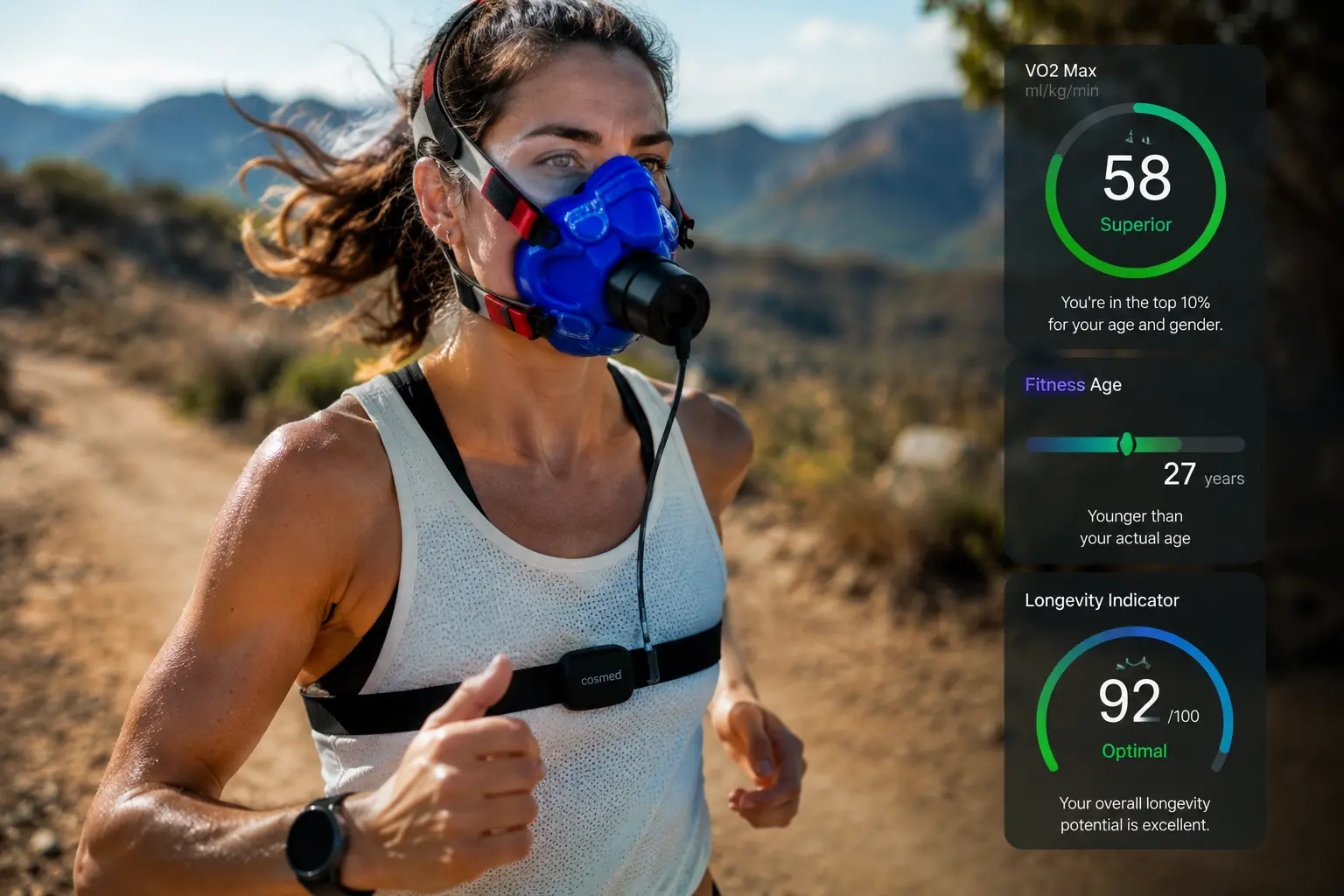
You’re climbing stairs and feeling winded faster than you used to, or maybe you notice your energy just isn’t what it was five years ago, and that’s where the vo2 max longevity marker comes in as the hidden metric that actually explains what’s happening with your cardiovascular fitness and why it matters more than you think.
Understanding VO2 max longevity
VO2 max longevity refers to the maximum amount of oxygen your body can utilize during intense physical activity, measured in milliliters of oxygen per kilogram of body weight per minute. Think of it as your cardiovascular engine’s horsepower. When you’re 65 and comparing yourself to your 45-year-old self, this number tells the real story. A senior with a VO2 max of 25 ml/kg/min might feel energized climbing two flights of stairs, while someone with 15 ml/kg/min struggles with one. The connection between this marker and longevity is direct: research consistently shows that people with higher VO2 max levels live longer, experience fewer heart attacks, and maintain independence longer into their later years. Your VO2 max isn’t fixed. Unlike your age, it responds to what you do. A 70-year-old who swims three times weekly can have a higher VO2 max than a sedentary 50-year-old. Understanding this marker shifts your perspective from accepting decline to recognizing opportunity.
- VO2 max longevity directly correlates with your cardiovascular health and predicts mortality risk better than many other fitness metrics.
- Regular physical activity can improve your VO2 max longevity by 15 to 25 percent within three to six months of consistent training.
- Higher levels of VO2 max longevity are associated with better endurance, reduced risk of chronic disease, and improved quality of life in your senior years.
How to measure VO2 max longevity
Measuring your VO2 max requires either a lab-based test or a field-based assessment, each with different levels of precision. The gold standard is a cardiopulmonary exercise test performed at a hospital or sports medicine clinic. You’ll walk or run on a treadmill with increasing intensity while wearing a mask that measures oxygen intake and carbon dioxide output. It takes 8 to 12 minutes and gives you an exact number. For seniors, this test is safe when supervised by trained professionals and provides a baseline you can track over time. If a lab test feels intimidating or isn’t accessible, your doctor can estimate VO2 max using a simple six-minute walk test, where you walk as far as possible in six minutes on a flat surface. Less precise but still valuable. Some fitness trackers and smartwatches estimate VO2 max using heart rate data, though these estimates vary in accuracy. The real value comes from getting tested once, then retesting every 6 to 12 months to see if your training is working. That progress is motivating.
📘 Fix your day in under 2 minuteschoose where to begin:
Improving VO2 max longevity through exercise
Aerobic exercise is the primary driver of VO2 max improvement, and seniors have many options beyond traditional running. Swimming is excellent because it’s low-impact on joints while demanding cardiovascular effort. Cycling, whether stationary or outdoor, builds aerobic capacity without the pounding of running. Brisk walking, when done consistently at a pace where conversation becomes difficult, trains your heart effectively. The key is intensity and consistency. A 70-year-old who walks casually for 30 minutes daily won’t see VO2 max gains. But that same person doing interval training twice weekly, where they alternate between moderate and harder efforts for 20 to 30 minutes, will see measurable improvement within weeks. For example, alternating three minutes of steady cycling with one minute of harder effort, repeated five times, challenges your aerobic system without requiring you to run a marathon. Start conservatively. If you haven’t exercised regularly, begin with three sessions weekly at moderate intensity, then gradually add one interval session. Most seniors see 10 to 20 percent improvement in VO2 max within three months of structured training.
Nutrition and VO2 max longevity
Your diet fuels your cardiovascular system and supports the adaptations that come from training. A heart-healthy diet rich in whole grains, lean proteins like fish and chicken, and abundant fruits and vegetables provides the nutrients your body needs to build stronger aerobic capacity. Omega-3 fatty acids from salmon or sardines reduce inflammation in blood vessels. Antioxidants from berries and leafy greens protect your cardiovascular system during the stress of exercise. Iron from lean red meat or legumes helps your blood carry oxygen efficiently, directly supporting VO2 max. Hydration matters more than many seniors realize. Dehydration reduces blood volume, making your heart work harder to deliver oxygen. Aim for eight to ten glasses of water daily, more on exercise days. Consider timing too. Eating a light meal two to three hours before exercise provides fuel without causing discomfort. A banana with almond butter 30 minutes before a workout gives quick energy. After exercise, a combination of protein and carbohydrates within 30 minutes helps your muscles recover and adapt. Small changes compound. One senior client replaced sugary drinks with water, added fish twice weekly, and increased vegetable portions. Within two months, combined with exercise, her VO2 max improved by 18 percent.
Lifestyle habits for longevity
VO2 max improvement doesn’t happen in isolation. Sleep quality directly affects your cardiovascular system’s ability to adapt to training. Aim for seven to nine hours nightly. Poor sleep increases inflammation and reduces your body’s ability to recover from exercise. Stress management through techniques like meditation, deep breathing, or tai chi lowers cortisol levels, which otherwise interfere with cardiovascular adaptation. Even ten minutes of daily breathing exercises can shift your nervous system toward recovery. Weight management matters because excess body weight reduces your VO2 max relative to your body size. You don’t need to be thin, but maintaining a healthy weight for your frame reduces strain on your heart. Social connection is underrated. Seniors who exercise with friends or join group classes show better adherence and faster improvements than those exercising alone. The accountability and enjoyment make consistency easier. Limiting alcohol and avoiding smoking are non-negotiable for VO2 max improvement. Smoking damages lung capacity directly. Even one drink daily can impair sleep quality and recovery. A 68-year-old who quit smoking, started sleeping eight hours nightly, joined a cycling group, and reduced stress through gardening saw his VO2 max jump from 18 to 26 ml/kg/min within six months. The lifestyle factors worked together.
Your VO2 max longevity marker is not your destiny, it’s your current address. Understanding this metric gives you a concrete target to improve your cardiovascular health, extend your independence, and live more fully as you age. By combining regular aerobic exercise, smart nutrition, quality sleep, stress management, and social engagement, seniors can meaningfully increase their VO2 max within months. Start with a baseline measurement, choose activities you’ll actually do, and retest in three months to see your progress. The combination of these elements creates momentum that extends far beyond fitness into how you feel daily.
How can seniors improve their VO2 max longevity?
Seniors improve VO2 max longevity through three primary strategies: aerobic exercise performed three to four times weekly at moderate to high intensity, including at least one interval training session; a diet rich in whole grains, lean proteins, fruits, and vegetables that supports cardiovascular health; and lifestyle habits including seven to nine hours of quality sleep, stress management techniques, maintaining a healthy weight, and limiting alcohol. Most seniors see measurable improvement within three to six months of consistent effort.
Why is VO2 max longevity important for seniors?
VO2 max longevity is crucial for seniors because it directly predicts cardiovascular health, life expectancy, and functional independence. A higher VO2 max means your heart pumps blood more efficiently, your muscles receive more oxygen, and your body can perform daily activities like climbing stairs or walking without excessive fatigue. Research shows that seniors with higher VO2 max levels experience fewer heart attacks, live longer, and maintain independence longer than those with lower levels. It’s one of the most reliable markers of overall health and longevity.
Others also read:
Disclaimer: This article is for informational purposes only and is not a substitute for professional medical advice. Always consult a healthcare professional for personal guidance.
This guide has been prepared and reviewed by the GlobalHealthBeacon editorial team and reflects current medical research as of 2026. It provides structured, evidence-based information to support informed health decisions.
