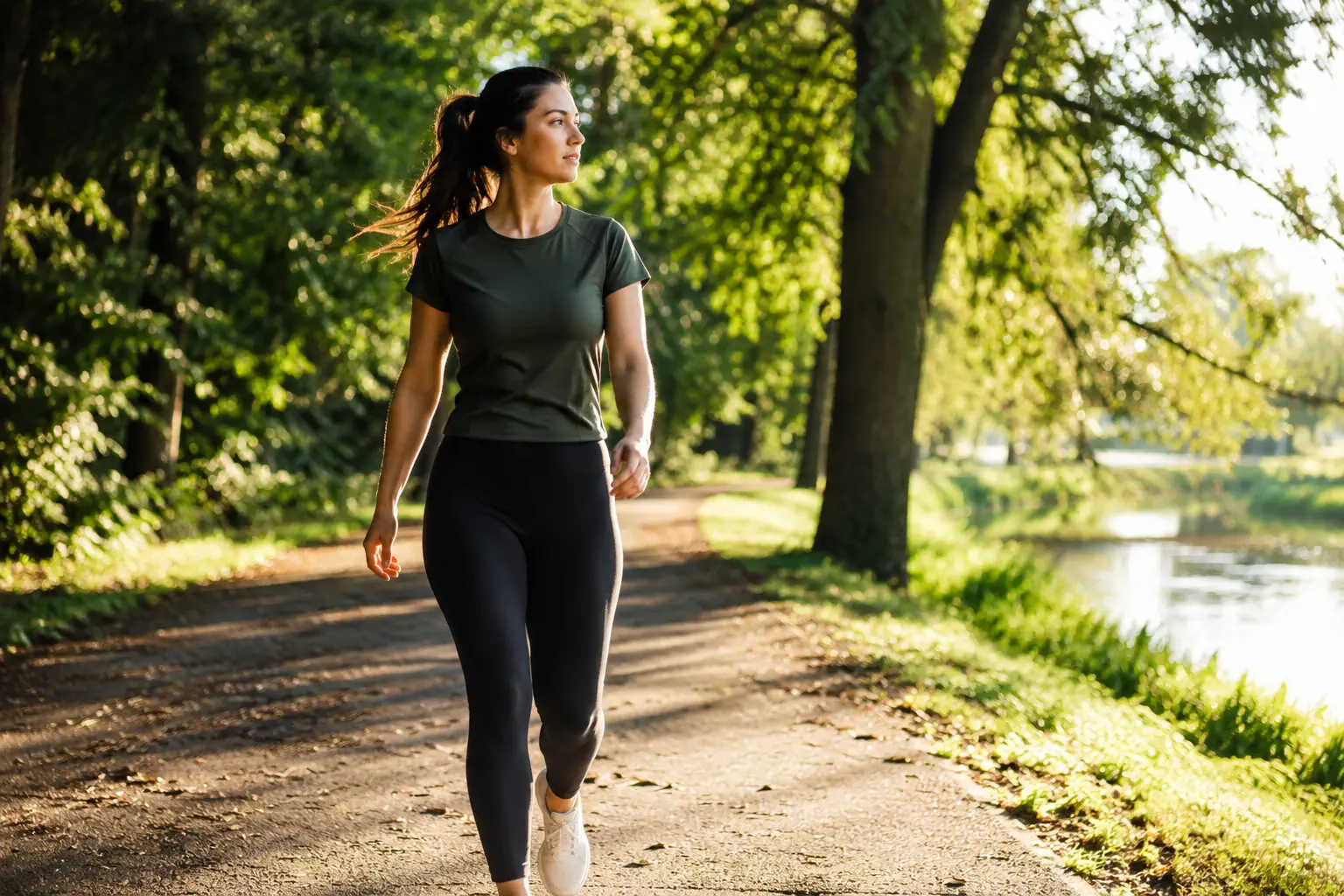
Your blood sugar spikes after eating and you feel that afternoon crash coming, but what if a simple 15-minute walk could change everything – walking after meals blood sugar control is the one habit that actually works, and it costs nothing.
Understanding blood sugar management
Managing blood sugar becomes increasingly important as you age, especially if you have noticed energy dips after meals or have a family history of diabetes. Your muscles act like glucose sponges, and when you walk, they pull sugar directly from your bloodstream without requiring extra insulin. Think of it this way: after you eat a sandwich, your body converts those carbohydrates into glucose. Without movement, that glucose sits in your blood, causing spikes and crashes. But when you stand up and walk within minutes of finishing your meal, your leg muscles start absorbing that glucose immediately, keeping your levels steady. This is not about intense exercise or gym memberships. A gentle, consistent walk after breakfast, lunch, and dinner can reduce your average blood sugar levels significantly over time. Many seniors find that this simple practice helps them feel more energized throughout the day, avoid that post-lunch fog, and reduce their dependence on medication when combined with their doctor’s guidance.
- Regular walking after meals promotes better digestion and nutrient absorption.
- It helps reduce the risk of developing type 2 diabetes by improving insulin sensitivity.
- This practice also aids in weight management and boosts metabolism.
Effective post-meal walking routine
Building a post-meal walking routine starts with understanding the timing and rhythm that works for your body. Aim to begin your walk within 15 to 30 minutes after finishing your meal, as this is when your body is processing carbohydrates most actively. A 15 to 30 minute walk is the sweet spot for most seniors, though even 10 minutes provides measurable benefits. Start at a comfortable pace where you can hold a conversation but feel slightly elevated in effort. Imagine walking with a friend through your neighborhood at a speed where you could chat but not sing. Consistency matters more than intensity here. Walking the same route at the same times each day helps your body anticipate the activity and respond more effectively. Some seniors find it helpful to set phone reminders after meals, while others pair their walks with a family member or neighbor for accountability and enjoyment. The key is making this feel like a natural part of your day, not a chore you dread.
📘 Fix your day in under 2 minuteschoose where to begin:
Tips for optimal blood sugar control
To get the most from your post-meal walks, try varying your pace slightly during the walk. Start at a moderate speed for five minutes, then increase to a brisk pace for five to ten minutes, then return to moderate. This interval approach signals your muscles to absorb glucose more efficiently. Hydration is equally important, so drink water before your walk to ensure your body functions optimally during the activity. Carry a small snack like a banana or a few almonds in your pocket, just in case you feel lightheaded, though this is rare for most people. Wear shoes with good cushioning and support to protect your joints, especially if you have arthritis or knee concerns. Dress in layers so you can adjust as your body warms up. Pay attention to how you feel during and after your walks. Some seniors notice they have more stable energy levels, clearer thinking, and better sleep quality within just a few weeks of starting this habit. These improvements often motivate continued consistency.
Monitoring your blood sugar levels
Tracking your blood sugar gives you concrete evidence that your walking routine is working, which builds confidence and motivation. If you have a home glucose monitor, test your blood sugar before a meal and then two hours after you finish eating and walking. Over several weeks, you will likely see patterns emerge, such as lower readings on days when you walked versus days when you did not. Keep a simple log in a notebook or on your phone noting the time of your walk, how long you walked, and your blood sugar readings. Share these records with your doctor at your next appointment. Your healthcare provider can help you determine if your walking routine is reducing the need for medication adjustments or if other changes are needed. Some seniors find that their doctor recommends checking blood sugar less frequently once their levels stabilize, which is a sign that the walking routine is genuinely helping. This feedback loop transforms walking from a vague health recommendation into a measurable, personalized strategy.
Incorporating walking into your daily routine
The real magic happens when post-meal walking stops feeling like exercise and becomes simply what you do after eating. Set a specific trigger, such as putting on your walking shoes immediately after clearing your plate from lunch. Walk the same route if possible, perhaps around your neighborhood, through a local park, or even around your home if weather is a concern. Invite a friend, family member, or neighbor to join you, turning the walk into social time rather than solo activity. Many seniors find that walking with a companion makes the time pass faster and provides motivation on days when energy is low. Start with just one meal per day if three feels overwhelming, then gradually add walks after your other meals as the habit solidifies. Celebrate small wins, like completing a week of consistent walks or noticing your clothes fit differently. Be patient with yourself on days when you miss a walk due to illness, weather, or unexpected events. What matters is returning to the routine the next meal without guilt or frustration. Over weeks and months, you will likely notice that walking after meals feels as natural as brushing your teeth.
Walking after meals is a simple yet effective strategy for seniors to manage blood sugar levels and enhance overall health. By incorporating post-meal walks into your daily routine and monitoring your blood sugar levels regularly, you can take proactive steps towards better glucose control and well-being.
How soon should I walk after a meal to impact my blood sugar?
Ideally, aim to start walking within 15 to 30 minutes after finishing a meal to optimize the impact on your blood sugar levels. This timing allows for better glucose absorption in the muscles and helps regulate your metabolism effectively.
Can post-meal walking replace medication for managing blood sugar?
While post-meal walking can be beneficial for blood sugar management, it should not replace prescribed medications without consulting your healthcare provider. It can complement your existing treatment plan and improve overall health when combined with medication as recommended.
Others also read:
Disclaimer: This article is for informational purposes only and is not a substitute for professional medical advice. Always consult a healthcare professional for personal guidance.
This guide has been prepared and reviewed by the GlobalHealthBeacon editorial team and reflects current medical research as of 2026. It provides structured, evidence-based information to support informed health decisions.
