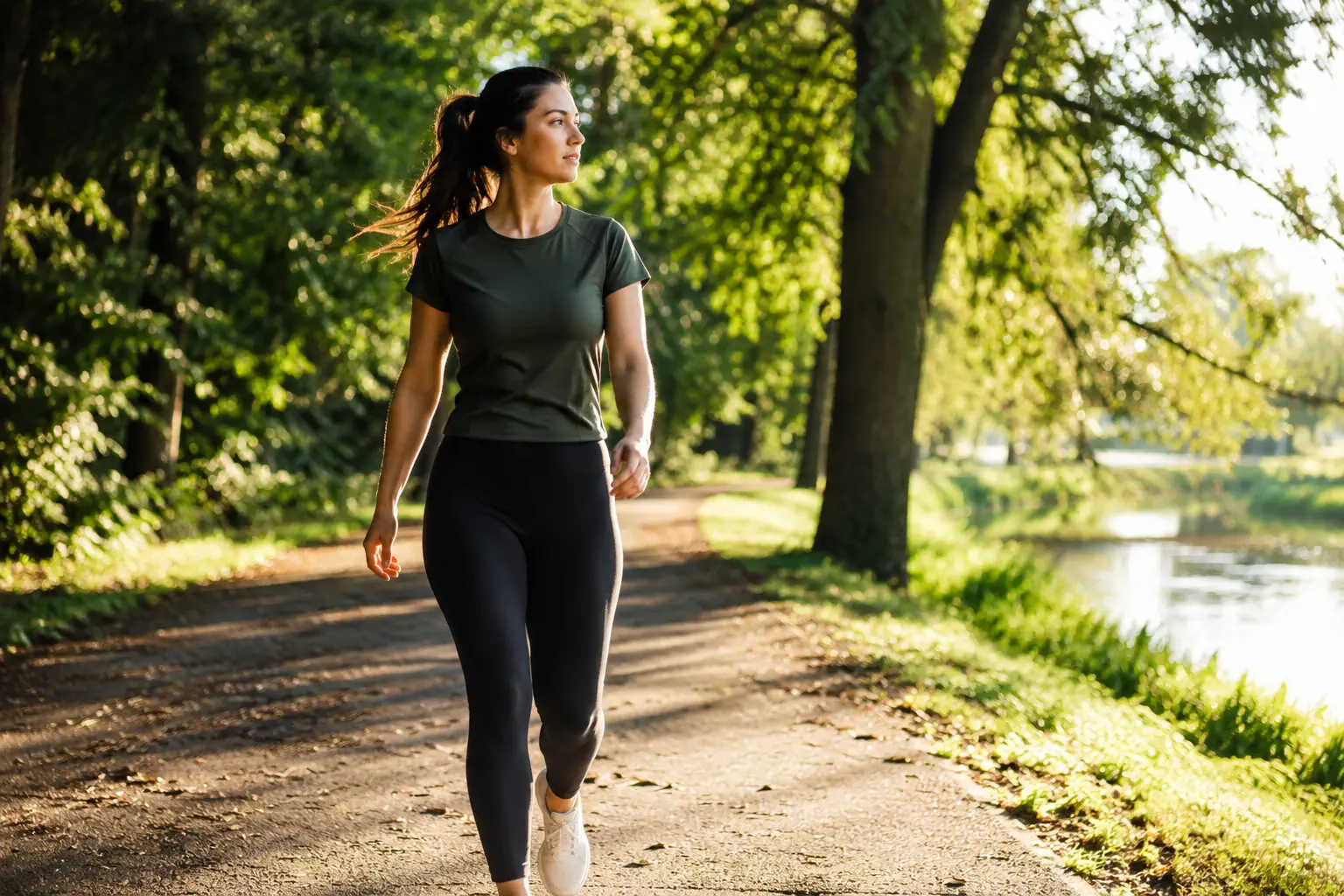
That heavy, sluggish feeling after lunch isn’t just in your head, and here’s the thing: walking after meals blood sugar management is actually one of the simplest ways to stop that crash before it starts.
The science behind walking after meals
When you eat, your body breaks down carbohydrates into glucose, which enters your bloodstream and triggers an insulin response. Your muscles are essentially glucose-hungry organs, and when you walk, they activate a process called glucose uptake that doesn’t require insulin to work efficiently. Think of it this way: imagine your muscles as open doors waiting for glucose to walk through. Movement opens those doors wider. Research shows that even a gentle stroll engages your leg muscles, which are among the largest in your body, creating immediate demand for fuel. This is particularly powerful after carbohydrate-rich meals like pasta, rice, or bread. The fascinating part is that this muscle contraction mechanism works independently of insulin, meaning your body can manage blood sugar more effectively without relying solely on your pancreas to do all the heavy lifting. For women specifically, this becomes increasingly relevant as hormonal fluctuations throughout the menstrual cycle can affect insulin sensitivity.
Walking vs. resting post-meal
The difference between walking and sitting after eating is surprisingly dramatic. When you rest after a meal, your muscles remain relatively inactive, so glucose uptake happens slowly and primarily through insulin signaling. Your blood sugar rises more sharply and stays elevated longer. Now contrast that with movement: within minutes of starting a walk, your muscles begin pulling glucose directly from your bloodstream. Studies comparing post-meal activities show that a 15-minute walk can reduce blood sugar spikes by 20 to 30 percent compared to sitting. The effect is almost immediate, beginning within the first few minutes of walking. What’s more, this benefit extends for hours afterward. A woman who walks after lunch might notice her mid-afternoon energy dip is less severe because her blood sugar remained more stable. Even light activity like leisurely walking outperforms complete rest, though a steady, purposeful pace amplifies the benefits considerably.
Benefits of walking after eating
The advantages extend far beyond simple blood sugar management. Regular post-meal walking improves how your cells respond to insulin over time, a process called enhanced insulin sensitivity. This means your body becomes more efficient at managing glucose, reducing the workload on your pancreas. You’ll also notice reduced postprandial glucose levels, which is the medical term for blood sugar spikes after eating. Beyond metabolism, walking aids digestion by stimulating your digestive tract, promoting smoother movement of food through your system and reducing bloating or discomfort. Many women report feeling less sluggish and more mentally clear when they establish this habit. The cardiovascular benefits accumulate too: regular walking strengthens your heart, improves circulation, and supports healthy blood pressure. Over weeks and months, this simple routine contributes to weight management, reduces inflammation markers, and lowers your risk of developing metabolic conditions. For women approaching or in midlife, these benefits become increasingly protective as metabolic changes naturally occur.
- Take a 10 to 15 minute walk after each meal, starting within 5 minutes of finishing eating for maximum impact on blood sugar
- Maintain a steady, purposeful pace that feels like a gentle stroll rather than intense exercise, allowing you to walk and talk comfortably
- Include walking as part of your daily routine by planning it into your schedule, perhaps walking to another room, around your home, or outside depending on your environment and mobility
🔬 Science-backed benefits in 2 minuteschoose where to begin:
How timing affects results
The moment you finish eating is when your blood sugar begins its upward climb, making immediate action most effective. Walking within the first 5 to 15 minutes after a meal captures the peak benefit because you’re intercepting the glucose surge at its source. Your muscles are primed to absorb glucose, and the timing aligns perfectly with your body’s natural metabolic processes. However, this doesn’t mean a later walk is wasted effort. Even a 30-minute walk after a meal still provides meaningful benefits by helping your body process remaining glucose and supporting overall digestion. The key difference is that immediate post-meal walking prevents the spike from happening in the first place, while delayed walking helps bring elevated levels back down. For women managing their schedules, even a 10-minute walk after dinner is better than no walk at all. The consistency matters more than perfection, so finding a routine you can actually maintain is more valuable than waiting for ideal conditions.
Long-term effects of walking after meals
When you commit to post-meal walking over weeks and months, your body undergoes meaningful metabolic changes. Your cells become increasingly responsive to insulin, meaning you need less insulin to manage the same amount of glucose. This reduced insulin demand takes stress off your pancreas and supports healthier hormone balance overall. Women who maintain this habit often experience more stable energy throughout the day, fewer afternoon crashes, and improved sleep quality because blood sugar fluctuations no longer disrupt their evening. Weight management becomes easier because stable blood sugar reduces cravings and supports more consistent energy for physical activity. The cardiovascular system strengthens, blood pressure improves, and inflammation markers typically decline. Most significantly, research suggests that regular post-meal walking can reduce the risk of developing type 2 diabetes by up to 30 percent. For women with family history of diabetes or metabolic concerns, this preventive effect is particularly valuable. The habit also builds momentum for other healthy choices, as people who walk after meals often become more mindful about food choices and overall wellness.
The role of walking in women’s health
Women’s bodies experience unique metabolic challenges that make post-meal walking particularly relevant. Hormonal fluctuations throughout the menstrual cycle affect insulin sensitivity, with some phases making blood sugar management naturally more difficult. Walking after meals provides a tool that works regardless of where you are in your cycle. For women in perimenopause or menopause, declining estrogen levels often trigger metabolic slowdown and increased insulin resistance, making this habit even more protective. Walking also supports bone health through weight-bearing activity, which becomes increasingly important as women age and face higher osteoporosis risk. The practice offers mental health benefits too: the gentle movement promotes mood stability, reduces stress hormones that can worsen insulin resistance, and provides a moment of intentional self-care. Many women find that this simple routine becomes a grounding ritual, a time to reflect or simply be present in their body. It’s accessible regardless of fitness level, requires no equipment, and can be woven into daily life without disrupting schedules. For women seeking sustainable health practices that honor their bodies’ natural rhythms, post-meal walking represents a science-backed, gentle, and empowering choice.
Walking after meals helps regulate blood sugar levels and offers numerous health benefits for women. By incorporating this routine into your daily life, you can enhance insulin sensitivity, manage glucose levels, and support overall well-being.
How long should I walk after a meal to see benefits?
A 10 to 15 minute walk after each meal can effectively aid in managing blood sugar levels and improve overall health. Starting within 5 minutes of finishing eating provides the most significant impact on blood sugar spikes.
Can I walk after any meal, regardless of its contents?
While walking after any meal is beneficial, it’s particularly helpful after meals high in carbohydrates to prevent blood sugar spikes. Even light meals benefit from post-meal movement, though the effect is most noticeable after carbohydrate-rich foods.
Others also read:
Disclaimer: This article is for informational purposes only and is not a substitute for professional medical advice. Always consult a healthcare professional for personal guidance.
This article has been prepared and reviewed by the GlobalHealthBeacon editorial team and is based on current medical research and published scientific literature available in 2026. It provides structured, evidence-based information to support informed health decisions.
