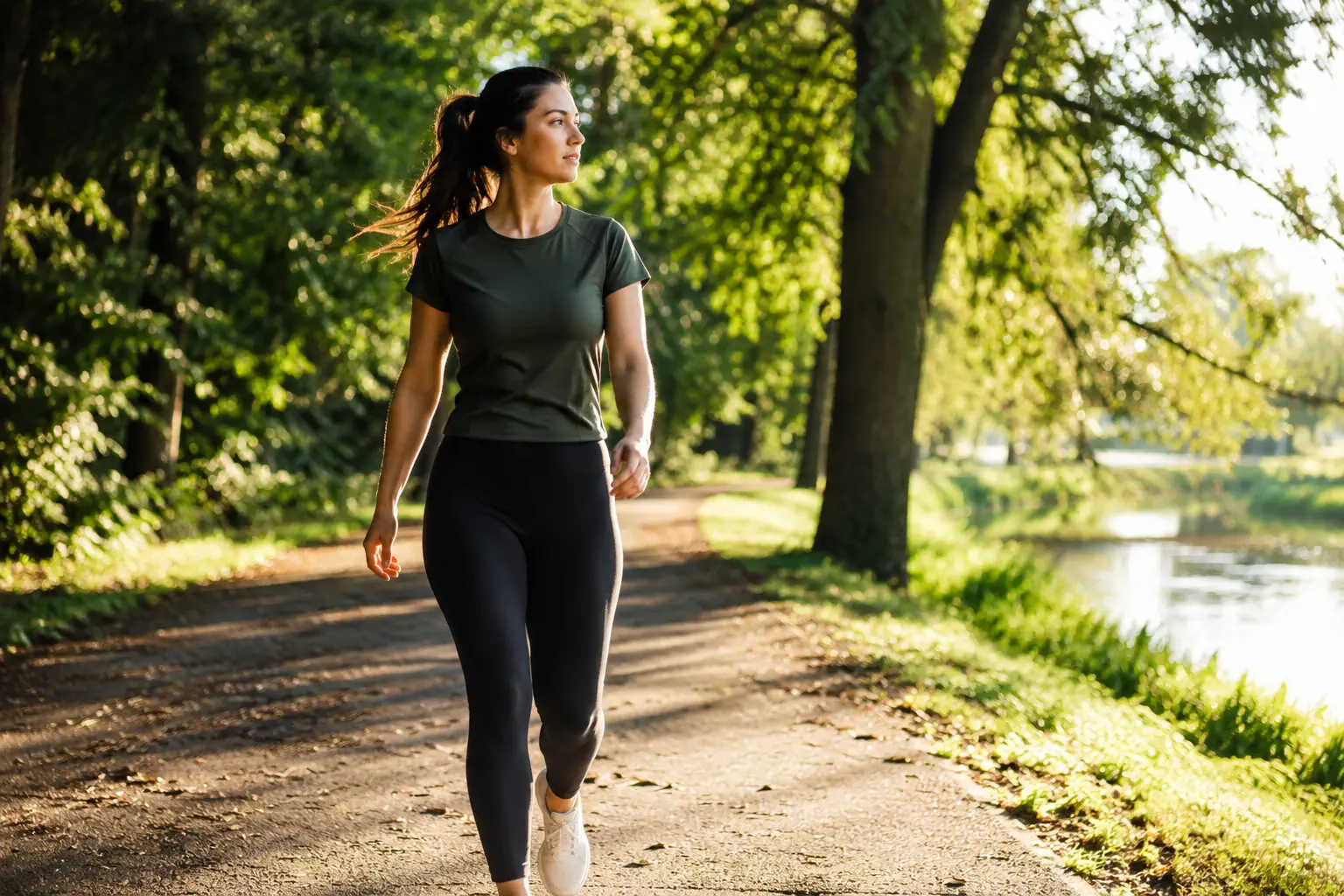
Your blood sugar spikes after lunch, you feel the energy crash by 3pm, and you’re stuck in that frustrating cycle of highs and lows that mess with your focus and mood, but walking after meals blood sugar management could be the simple shift that changes everything.
Understanding the benefits of walking after meals
Walking after meals works because your muscles become glucose sinks right when your body needs them most. When you eat, your digestive system breaks down carbohydrates into glucose, which enters your bloodstream. Without movement, that glucose spikes sharply, triggering an insulin response that can leave you feeling sluggish. But when you walk, your muscles actively pull glucose from your blood to fuel the movement, naturally smoothing out those spikes. Think of it this way: a 15-minute walk after dinner is like giving your body permission to use the energy you just consumed instead of storing it as fat. Research shows this can reduce blood sugar spikes by up to 30 percent. Your insulin sensitivity improves too, meaning your body gets better at managing glucose over time. This isn’t about intense exercise or complicated routines. It’s about strategic, gentle movement at the exact moment your body is most receptive to it.
- Enhances digestion by stimulating the metabolic process
- Increases the uptake of glucose by muscle cells
- Aids in maintaining a healthy weight
Practical tips for walking after meals
Start with a 10 to 15 minute walk within 30 minutes of finishing your meal. This timing matters because your blood glucose peaks roughly 30 to 60 minutes after eating, so you want to be moving during that window. Wear comfortable, supportive shoes to avoid foot strain, especially if you’re walking on pavement or uneven surfaces. Pace matters less than consistency. A slow, steady walk works just as well as a brisk one. Some people find it helpful to walk around their home, take a loop around the block, or explore a nearby park. The key is removing friction from the habit. If you have to drive somewhere to walk, you’ll skip it. If you can step outside your door or walk around your living space, you’re far more likely to stick with it. A common mistake is waiting too long after eating. If you wait 90 minutes, you’ve missed the glucose spike window. Another trap is being too ambitious with intensity. You don’t need to sprint or do interval training. Gentle, consistent movement is what triggers the glucose uptake response.
📘 Fix your day in under 2 minuteschoose where to begin:
Creating a routine for better blood sugar management
Routines stick when they’re attached to existing habits. Walk after breakfast, lunch, and dinner, or start with just one meal and build from there. Set a phone reminder for 5 minutes after you finish eating, so you don’t forget. Track your blood sugar levels before and after walks using a continuous glucose monitor or finger prick test if you have one. You’ll see the pattern emerge within a week or two. Some people notice dramatic improvements in energy levels, reduced afternoon crashes, and better sleep quality. Others see slower changes but still benefit from the metabolic shift. Adjust your walk duration based on what you observe. If a 10 minute walk keeps your glucose stable, stick with it. If you need 15 or 20 minutes to see results, extend it. Your body is unique, and the data you collect from your own experience is more valuable than generic guidelines. Consider logging your walks in a simple spreadsheet or app alongside your meals and glucose readings. This creates accountability and helps you spot patterns you might otherwise miss.
Incorporating walking into your daily life
Walking after meals works best when it fits naturally into your day. If you work in an office, use your lunch break to eat at your desk, then take a 15 minute walk around the building or outside. If you work from home, walk around your neighborhood or even do laps around your house while listening to a podcast or audiobook. Make it social by inviting a friend, family member, or colleague to join you. Accountability partners help you stay consistent, and the conversation makes the time pass faster. Use a fitness tracker or phone app to log your steps and set weekly goals. Seeing progress accumulate creates positive reinforcement. Some people find that walking after meals becomes a mental reset too, not just a physical one. It breaks up the workday, reduces stress, and gives your mind a chance to decompress. Experiment with different routes to keep things interesting. Walking the same path every day can feel monotonous, but discovering new streets or parks in your area keeps the habit fresh and engaging.
Fine-tuning your walking regimen
After a few weeks of walking after meals, you’ll develop an intuition for what works for your body. Some people thrive on longer walks, others see results with shorter bursts of movement. Pay attention to how you feel during and after your walks. If you feel dizzy, short of breath, or overly fatigued, you may be walking too intensely or too soon after eating. Dial it back. Hydration matters more than most people realize. Drink water before your walk to ensure your body has what it needs for movement and digestion. Avoid walking immediately after consuming large amounts of liquid, as this can cause discomfort. If you have underlying health conditions like diabetes, thyroid issues, or digestive disorders, consult a healthcare professional before making major changes to your routine. They can provide personalized guidance based on your medical history and current medications. Keep in mind that walking after meals is one tool in a larger toolkit. It works best alongside balanced nutrition, adequate sleep, and stress management. Think of it as one powerful habit that amplifies the other healthy choices you’re already making.
Walking after meals is a simple yet effective way to manage blood sugar levels and promote overall health. By understanding the benefits, following practical tips, and creating a consistent routine, young adults can take proactive steps towards optimizing their well-being.
How soon should I walk after a meal to improve blood sugar control?
Ideally, aim to walk within 30 minutes of finishing your meal to maximize the benefits on blood sugar levels.
Can walking after meals help with weight management?
Yes, incorporating walking after meals can aid in weight management by promoting better digestion and utilization of glucose.
Others also read:
Disclaimer: This article is for informational purposes only and is not a substitute for professional medical advice. Always consult a healthcare professional for personal guidance.
This guide has been prepared and reviewed by the GlobalHealthBeacon editorial team and reflects current medical research as of 2026. It provides structured, evidence-based information to support informed health decisions.
