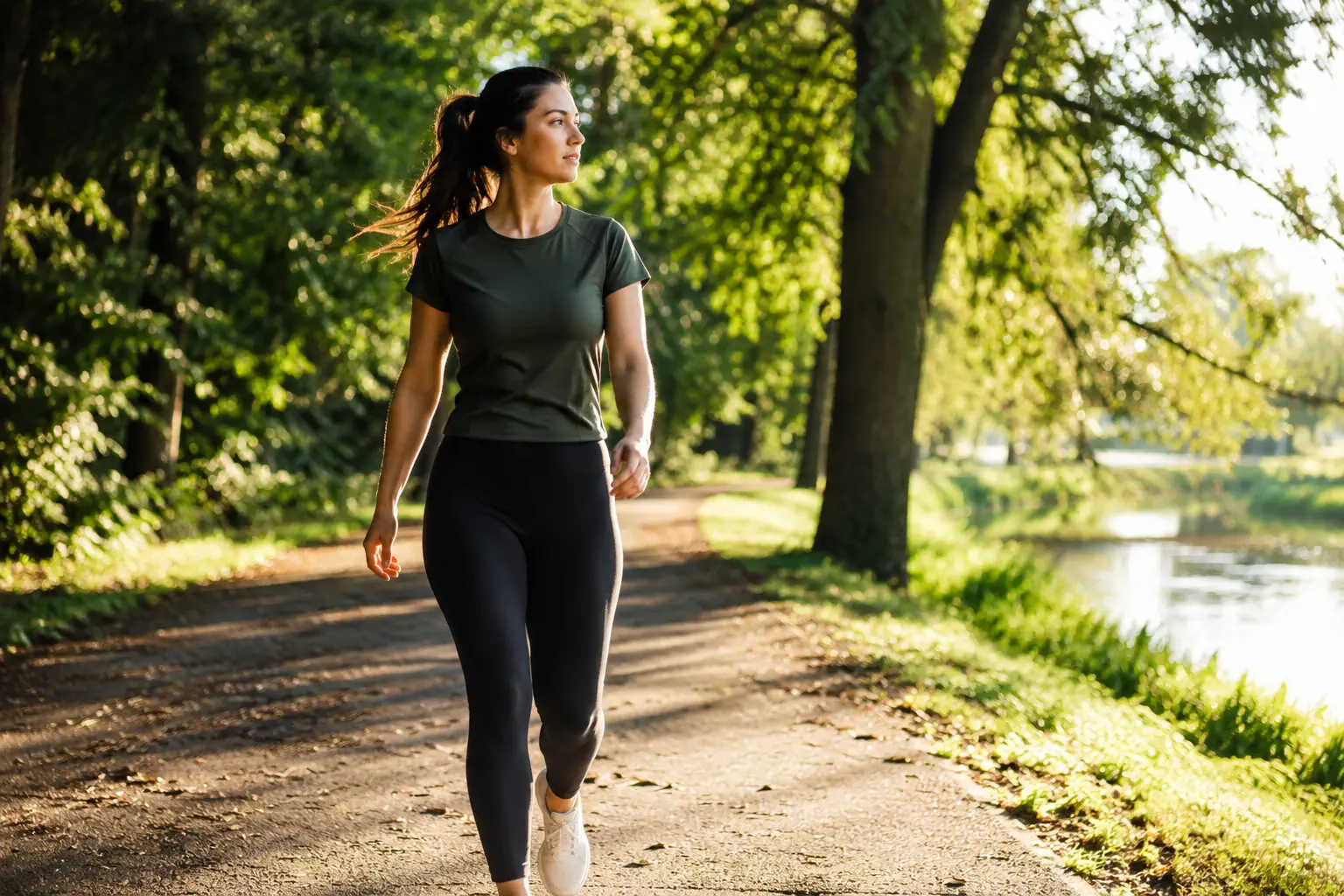
That post-lunch energy crash that leaves you foggy, irritable, and fighting to stay awake is your body screaming for help, and walking after meals blood sugar control might be the simplest fix you’ve been missing.
The immediate impact of walking after meals
Picture this: you finish lunch and instead of collapsing at your desk, you take a 15-minute walk around the block. Sounds simple, right? But here’s what’s actually happening inside your body. When you move after eating, your muscles start pulling glucose directly from your bloodstream without needing as much insulin to do the job. Studies show this 15 to 20 minute post-meal walk can lower your blood sugar spike by up to 30 percent. Think of it like opening a pressure valve right when things are about to get intense. Your pancreas doesn’t have to work overtime, your energy stays stable, and that dreaded 2 PM crash becomes a non-issue. Young adults who’ve tried this report feeling sharper, less jittery, and way more focused during afternoon meetings.
- Helps reduce the spike in blood sugar after meals
- Aids in better digestion and nutrient absorption
- Boosts metabolism and burns calories
Long-term benefits of post-meal walking
Now imagine doing this consistently for a few weeks, then months. Your body starts adapting. Your cells become more sensitive to insulin, meaning they respond faster and more efficiently when glucose shows up. Over time, this compounds into something bigger: stable energy throughout the day, fewer cravings, better sleep at night, and a cardiovascular system that’s genuinely stronger. Young adults who’ve made post-meal walks a habit report clearer skin, steadier moods, and even improved focus at work or school. It’s not magic, but it feels like it when you realize you’re no longer riding the blood sugar rollercoaster. The best part? You’re building a foundation for long-term metabolic health that protects you decades down the road.
💬 Ready to feel better in 2 minutes?choose where to begin:
The psychological boost of walking after meals
Beyond the numbers and biology, there’s something deeply grounding about stepping outside after you eat. It’s a mental reset. You’re not scrolling through your phone or staring at a screen. You’re moving, breathing fresh air, maybe noticing the weather or the people around you. For young adults juggling work, school, relationships, and endless notifications, this 15-minute window becomes sacred. It gives your nervous system a chance to downshift from fight-or-flight mode. You return from that walk calmer, more centered, and genuinely less stressed. Some people use it as thinking time; others use it to decompress. Either way, you’re giving yourself permission to pause, and that permission matters more than you might realize.
Incorporating post-meal walks into your routine
Start small. Don’t aim for a 30-minute hike after every meal. Instead, commit to a 10-minute walk after lunch, your biggest meal of the day. Set a phone reminder if you need to. Pick a route you actually enjoy, whether that’s a park, a neighborhood loop, or even a mall if weather’s bad. The key is consistency over intensity. After two weeks, it’ll feel automatic. Then add a post-dinner walk. Make it social if possible, invite a friend or family member. Track how you feel, your energy levels, your mood. Most young adults notice changes within 7 to 10 days. The goal isn’t perfection; it’s building a habit that sticks because it genuinely makes you feel better.
Walking after meals has shown to positively impact blood sugar levels, digestion, and overall health. By integrating this simple practice into your daily routine, you can experience improved well-being both physically and mentally.
How soon after eating should I start walking?
It is recommended to wait 10-15 minutes after a meal before starting your post-meal walk. This allows for initial digestion to occur, reducing the risk of discomfort.
Can walking after dinner help with weight loss?
While walking after meals can aid in calorie burning and metabolism, it is just one component of a healthy lifestyle. Pairing post-meal walks with a balanced diet and regular exercise can contribute to weight management.
Others also read:
Disclaimer: This article is for informational purposes only and is not a substitute for professional medical advice. Always consult a healthcare professional for personal guidance.
This article presents an experience-based perspective and has been reviewed by the GlobalHealthBeacon editorial team in 2026. It provides structured, evidence-based information to support informed health decisions.
