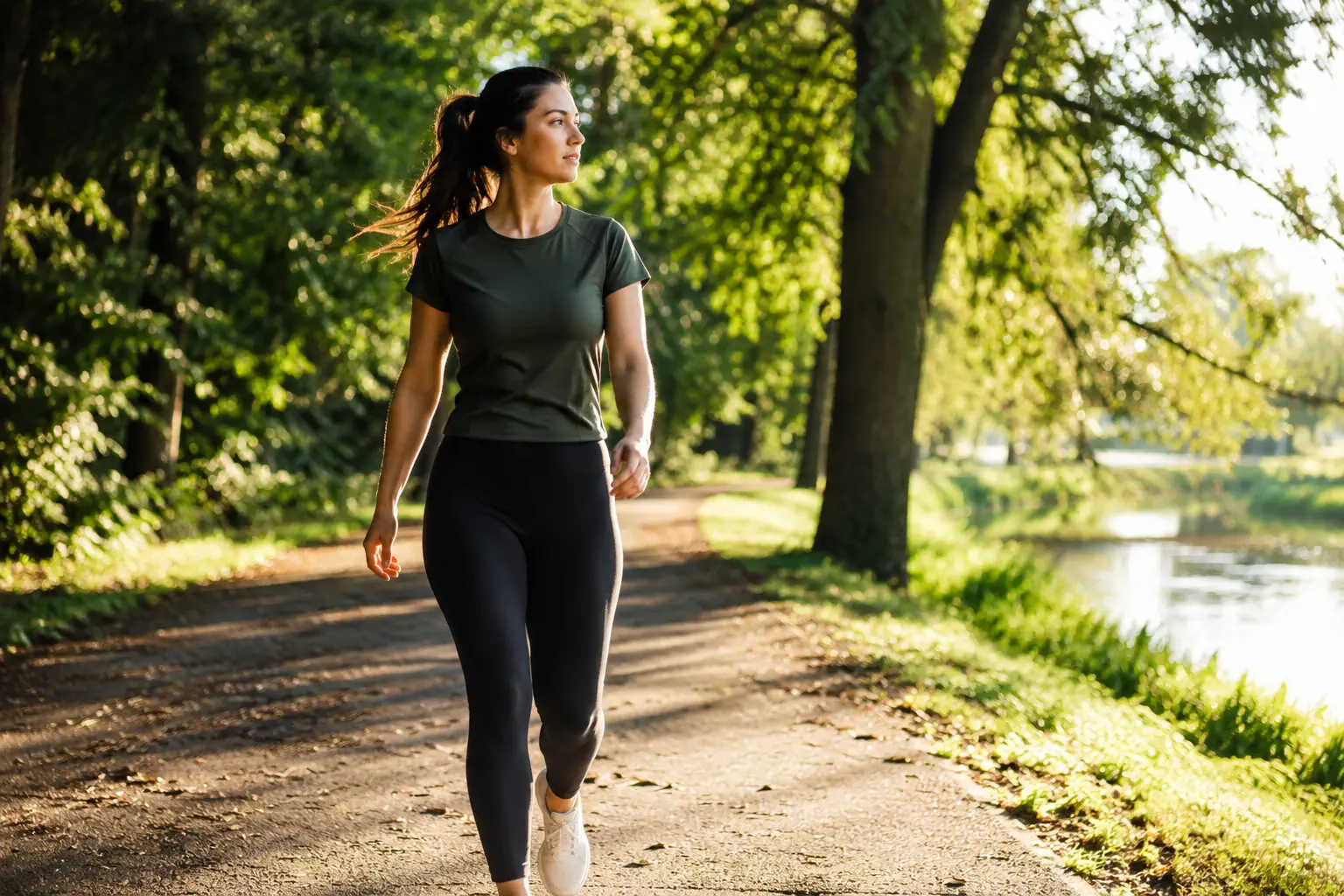
Tired of watching your blood sugar numbers climb after every meal and feeling like you are stuck with medication as your only option, when walking after meals blood sugar control could be the simple habit that actually works.
Why walking after meals matters
Walking after meals works because your muscles are primed to absorb glucose right when your body needs them most. When you finish eating, your digestive system breaks down carbohydrates into glucose, which enters your bloodstream. Without movement, that glucose stays in your blood longer, forcing your pancreas to work harder. A post-meal walk changes this dynamic. Your leg muscles, the largest muscle groups in your body, start pulling glucose directly from your blood to fuel the movement. This process happens naturally without any extra effort on your part. Think of it like opening a drain valve right when water is filling the sink. For seniors especially, this matters because insulin sensitivity naturally declines with age, making blood sugar management increasingly challenging. Studies show that even a gentle 10-minute walk can reduce blood sugar spikes by 20 to 30 percent. You are not trying to run a marathon here, just a steady, comfortable pace that gets you moving.
- Improved glucose metabolism
- Enhanced insulin sensitivity
- Decreased post-meal blood sugar spikes
The optimal walking routine
Timing is everything when it comes to post-meal walks. Start walking within 15 minutes of finishing your meal, aiming for a brisk pace that feels comfortable but slightly challenging. A brisk walk means you can talk but not sing, roughly 3 to 4 miles per hour. For seniors, this translates to about 10 to 15 minutes per walk, ideally after each major meal containing carbohydrates. Breakfast with toast or oatmeal, lunch with pasta or rice, and dinner with potatoes all warrant a post-meal walk. If you have three meals daily, you are looking at 30 to 45 minutes of walking spread throughout the day, which fits naturally into most routines. Start with just one post-meal walk if three feels overwhelming, then gradually add more as the habit becomes automatic. Many seniors find that walking after dinner works best because it fits into their evening routine and helps them wind down. The key is consistency. Your body adapts to patterns, and after two to three weeks of regular post-meal walks, your muscles become more efficient at glucose uptake.
📘 Fix your day in under 2 minuteschoose where to begin:
Tips for success
Success depends on removing barriers and building safety into your routine. Invest in comfortable, supportive walking shoes with good cushioning because your feet carry you for thousands of steps. Wear moisture-wicking socks to prevent blisters on longer walks. If you live in a cold climate, keep a lightweight jacket near your dining area so you can grab it immediately after eating without losing momentum. Walk in well-lit, familiar areas, preferably with sidewalks or paved paths. If weather is poor, walking indoors around your home, through a mall, or in a community center works just as well. Tell your family or friends about your walking plan so they can support you and remind you if you forget. Some seniors set phone reminders for 10 minutes after their largest meals. Wear a medical alert bracelet if you have a history of low blood sugar episodes. Stay hydrated before and after your walk, especially in warm weather. If you feel dizzy, short of breath, or experience chest pain, stop immediately and sit down. These are rare but important warning signs to discuss with your doctor.
Monitoring progress
Tracking your blood sugar before and after implementing walking after meals blood sugar management reveals whether this strategy works specifically for you. Check your blood sugar right before eating a meal, then again 2 hours after you finish eating, both before and after you start your walking routine. Keep a simple log in a notebook or use your phone to record these numbers over two weeks without walking, then two weeks with walking. You will likely see a noticeable difference in your post-meal readings. A reduction of 20 to 40 mg/dL is common and meaningful. Share these results with your doctor at your next appointment because they may adjust your medications based on improved control. Some seniors find that their A1C levels drop by 0.5 to 1 percent within three months of consistent post-meal walking. This is significant enough to reduce your risk of complications. If you use a continuous glucose monitor, you can see real-time patterns of how your body responds. Document not just numbers but how you feel too. Do you have more energy? Better sleep? Fewer afternoon energy crashes? These improvements matter and reinforce your commitment to the habit.
Maintaining motivation
Motivation fades without variety and social connection. Find a walking partner, whether a spouse, friend, or neighbor, and commit to walking together after dinner several times weekly. The accountability keeps both of you consistent, and the conversation makes time pass faster. If a partner is not available, join a local walking group through your community center or senior center. Many groups meet specifically for post-meal walks or general fitness. Listen to audiobooks, podcasts, or music that you genuinely enjoy during your walks. Choose content that engages your mind so walking feels like a reward rather than a chore. Set small, achievable goals like walking after lunch three times per week for one month, then increase to four times. Celebrate these milestones with something meaningful but not food-related, like a new book or a massage. Track your streak on a calendar with checkmarks or stickers, a simple visual that shows your progress. When motivation dips, remember why you started. Fewer medications, better energy, improved independence, and reduced disease risk are powerful motivators. Many seniors report that post-meal walks become their favorite part of the day once the habit is established.
Post-meal walks can positively influence blood sugar control in seniors by improving glucose metabolism, enhancing insulin sensitivity, and reducing postprandial spikes. Consistent daily walks after meals can lead to significant benefits for overall glucose management.
Is it better to walk before or after meals for controlling blood sugar?
Walking after meals is more beneficial for managing blood sugar levels as it helps in utilizing glucose efficiently and reducing post-meal spikes.
How soon after a meal should I start walking for optimal results?
Starting a brisk walk about 10-15 minutes after finishing a meal can maximize the positive impact on blood sugar control for seniors.
Others also read:
Disclaimer: This article is for informational purposes only and is not a substitute for professional medical advice. Always consult a healthcare professional for personal guidance.
This guide has been prepared and reviewed by the GlobalHealthBeacon editorial team and reflects current medical research as of 2026. It provides structured, evidence-based information to support informed health decisions.
