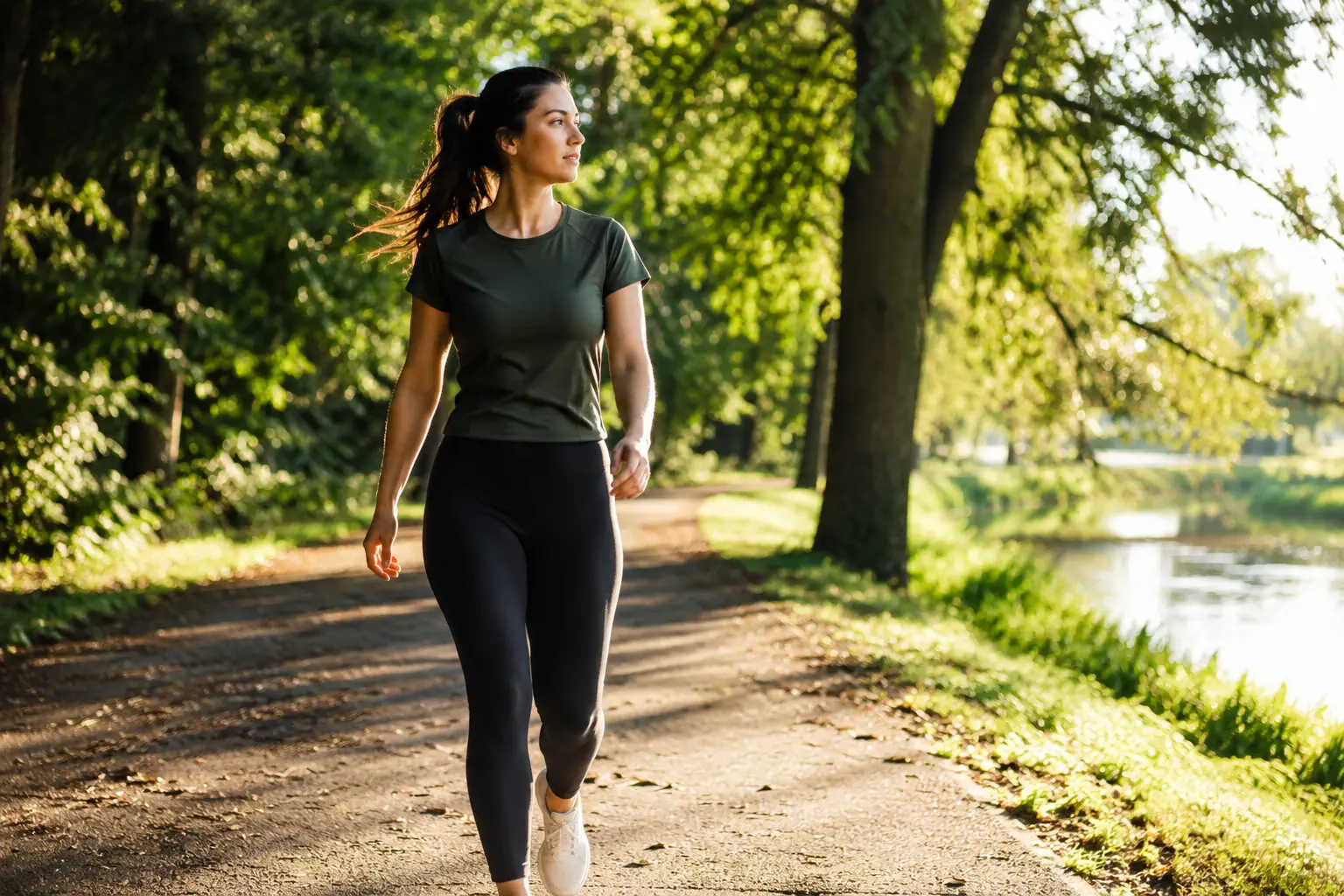
Your blood sugar spikes after eating and you feel that afternoon crash, but walking after meals blood sugar control might be the simple shift your body has been waiting for.
The relationship between walking and blood sugar levels
When you finish a meal, your digestive system breaks down carbohydrates into glucose, which enters your bloodstream. This is where walking becomes your body’s ally. As you move, your muscles demand energy and begin pulling glucose directly from your blood without requiring as much insulin. Think of it like opening multiple doors for glucose to exit the bloodstream instead of having it all pile up at one checkpoint. For seniors, this is particularly important because insulin sensitivity naturally declines with age. A 70-year-old who takes a 15-minute walk after lunch experiences a measurably different blood sugar trajectory than one who sits down to watch television. Research shows this glucose uptake can reduce blood sugar peaks by 20 to 30 percent, which accumulates into significant metabolic benefits over weeks and months. The body’s muscles are your largest glucose storage tanks, and walking activates them efficiently.
The scientific mechanism behind post-meal walking
Here’s what happens at the cellular level when you walk after eating. Your muscles contain glucose transporters, special proteins that act like gates allowing glucose to enter muscle cells. When you exercise, even gently, these gates open wider and more frequently, independent of insulin signaling. This is crucial for seniors because it means your muscles can access glucose through a pathway that doesn’t rely entirely on your pancreas producing enough insulin. Additionally, walking increases blood flow to your muscles, delivering more oxygen and nutrients while simultaneously removing metabolic waste products. Your heart pumps harder, capillaries dilate, and glucose molecules are swept into working muscle tissue more efficiently. This mechanism also improves something called insulin sensitivity, meaning your cells respond better to the insulin your body does produce. Over time, this repeated activation of glucose uptake pathways can help restore some of the metabolic flexibility that aging naturally diminishes.
Benefits of walking after meals
Walking after meals triggers a cascade of physiological benefits beyond blood sugar management. Your metabolic rate increases during and for some time after walking, meaning your body burns more calories and processes nutrients more effectively. Enhanced digestion occurs because movement stimulates your digestive tract, helping food move through your system at an optimal pace. Improved blood circulation means oxygen reaches your organs and tissues more efficiently, supporting everything from cognitive function to heart health. For seniors specifically, this increased circulation can reduce the stiffness that often follows meals and improve overall mobility. Consider a 68-year-old who walks for 12 minutes after dinner. Her body experiences improved glucose clearance, better digestion of that meal’s nutrients, increased calorie expenditure, and enhanced cardiovascular function all simultaneously. The cardiovascular benefits are particularly significant because walking strengthens your heart’s ability to pump blood effectively, reducing strain on your circulatory system over time. These compounding benefits make post-meal walking one of the most efficient health interventions available.
- Take a leisurely walk after each meal for at least 10 to 15 minutes, starting at a comfortable pace that allows you to breathe easily and maintain conversation.
- Maintain a consistent walking routine by scheduling walks at the same time each day, making it a natural part of your meal rhythm rather than an afterthought.
- Choose scenic routes, walk with a friend or family member, or explore different neighborhoods to keep the practice enjoyable and mentally stimulating rather than feeling like a chore.
🔬 Science-backed benefits in 2 minuteschoose where to begin:
The impact on blood sugar management
The postprandial period, the time immediately after eating, is when blood sugar spikes most dramatically. This is when walking delivers its most powerful benefit. By engaging your muscles during this critical window, you reduce the peak blood sugar level your body experiences, which means less stress on your pancreas and less dramatic insulin demand. Over months and years, this repeated reduction in blood sugar spikes protects your blood vessels, nerves, and organs from the cumulative damage of chronic high blood sugar exposure. Seniors who walk after meals often notice they feel less fatigued in the afternoon, experience fewer energy crashes, and maintain more stable moods throughout the day. These improvements stem directly from more stable blood glucose levels. Additionally, this practice supports weight management because it increases calorie expenditure and can reduce cravings that often follow blood sugar crashes. The cardiovascular benefits accumulate too, as stable blood sugar reduces inflammation in your arteries and improves cholesterol profiles. Think of each post-meal walk as a small deposit into your long-term health account.
Tips for effective post-meal walking
Timing matters significantly. Begin your walk within 15 to 20 minutes after finishing your meal, as this is when your blood sugar is rising most steeply. Avoid vigorous exercise immediately after eating, which can cause digestive discomfort or cramping. Instead, opt for a gentle, steady pace that feels sustainable and allows your body to digest while moving. Wear comfortable shoes with good support, especially important for seniors who may have joint concerns. Start with 10 minutes if you’re new to this practice, gradually extending to 15 or 20 minutes as your fitness improves. Pay attention to how different meals affect you. A large, carbohydrate-heavy meal may benefit from a longer walk, while a lighter meal might require less. Stay hydrated by drinking water before and after your walk. If you experience dizziness, shortness of breath, or chest discomfort, stop and consult your healthcare provider. Walking with a friend or family member adds social engagement, which research shows enhances adherence and provides additional mental health benefits.
Scientific perspective on walking after meals
The scientific evidence supporting post-meal walking has accumulated steadily over the past two decades. Multiple peer-reviewed studies demonstrate consistent reductions in blood sugar spikes when people walk after eating, with benefits appearing across different age groups and fitness levels. What makes this practice particularly valuable for seniors is that it requires no special equipment, medication, or significant time commitment, yet delivers measurable physiological improvements. The mechanism is well understood at the molecular level, involving glucose transporter activation, improved insulin signaling, and enhanced metabolic flexibility. Understanding this biology empowers you to make informed decisions about your health based on how your body actually works rather than following generic advice. You’re not just taking a walk for vague wellness reasons; you’re activating specific physiological pathways that directly address age-related metabolic changes. This knowledge transforms a simple habit into a targeted health intervention. As a senior, recognizing that your body still responds powerfully to movement, even gentle movement, can be genuinely reassuring and motivating.
Walking after meals helps regulate blood sugar levels, improve metabolism, and enhance overall health. By incorporating post-meal walks into your routine, you can positively impact your blood sugar management and wellbeing.
Is it beneficial to walk after every meal?
While walking after every meal can have benefits, focusing on walking after larger meals or those high in carbohydrates may be more effective in managing blood sugar levels.
How long should I walk after a meal to see results?
Aim to walk for at least 10 to 15 minutes after each meal to support digestion, regulate blood sugar levels, and improve overall health.
Others also read:
Disclaimer: This article is for informational purposes only and is not a substitute for professional medical advice. Always consult a healthcare professional for personal guidance.
This article has been prepared and reviewed by the GlobalHealthBeacon editorial team and is based on current medical research and published scientific literature available in 2026. It provides structured, evidence-based information to support informed health decisions.
