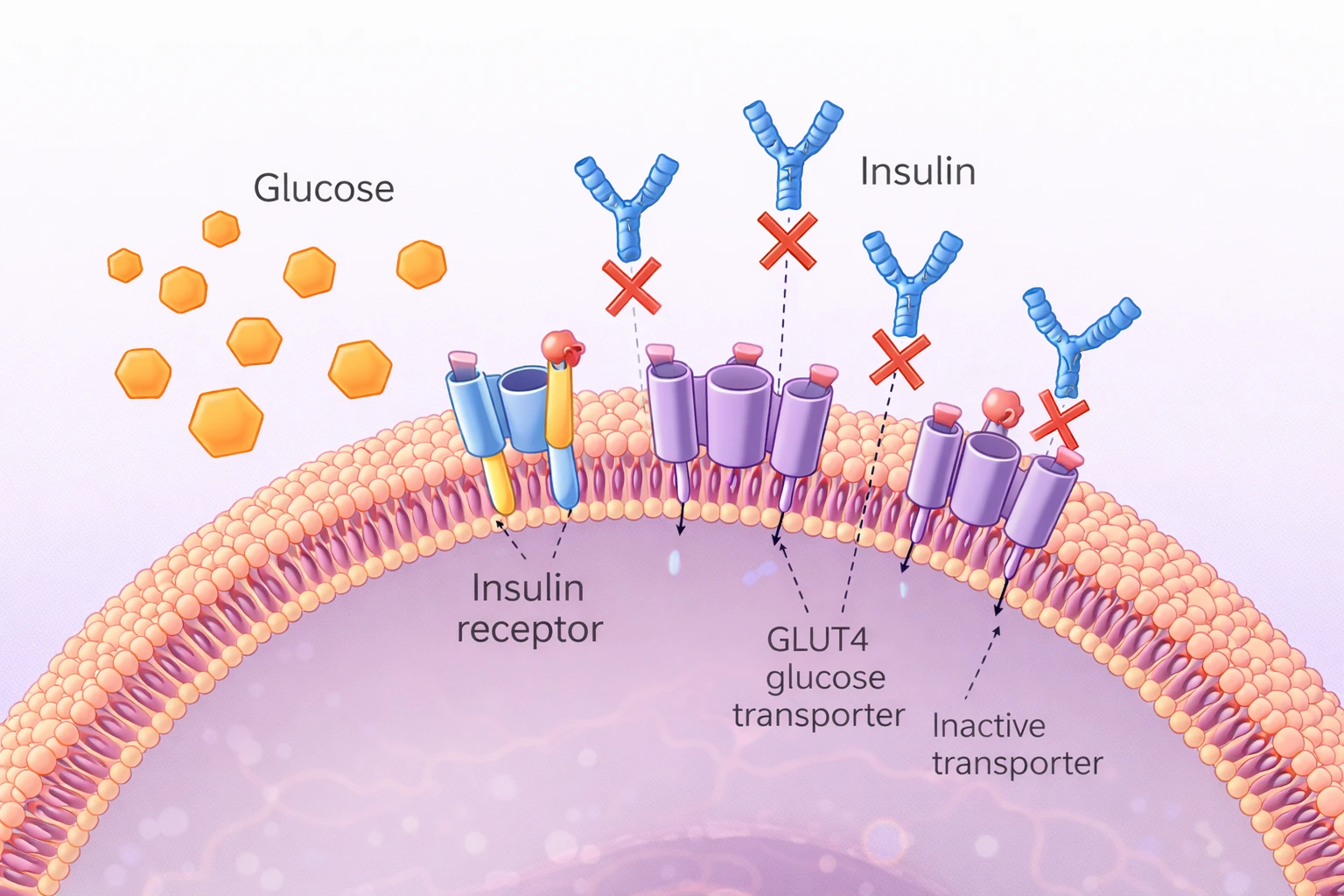
Your body’s metabolism is silently screaming: something’s off with how you process glucose, and understanding what causes insulin resistance naturally could be your ultimate health game-changer.
Role of genetics in insulin resistance
Genetic predisposition acts like an invisible blueprint determining your metabolic vulnerability. Imagine your DNA as a complex roadmap where certain genetic variations create metabolic detours that increase insulin resistance risk. Some individuals inherit genetic markers that make their insulin receptors less responsive, creating a cascade of metabolic challenges. These genetic influences aren’t just theoretical scientific concepts but tangible factors that can significantly impact how your body processes glucose and manages energy metabolism. Understanding your genetic landscape helps create personalized prevention strategies that work specifically for your unique metabolic profile.
- Family history of diabetes can increase the risk of insulin resistance.
- Genetic mutations affecting insulin receptors can lead to reduced insulin sensitivity.
- Understanding your genetic predisposition can help tailor lifestyle changes to prevent insulin resistance.
Impact of lifestyle choices
Modern lifestyle patterns create a perfect storm for metabolic dysfunction. Consider a typical young adult’s day: processed foods, irregular meal times, excessive caffeine, minimal physical activity, and constant digital stimulation. These seemingly harmless habits gradually compromise insulin sensitivity. Consuming high-sugar and high-fat diets triggers rapid blood glucose fluctuations, overwhelming your body’s natural insulin response. Think of your metabolism like a sophisticated machine constantly adapting to your daily choices. Each processed meal, each skipped workout, each stressful late night subtly reshapes your metabolic resilience. Recognizing these lifestyle patterns becomes crucial in understanding and preventing insulin resistance before it becomes a chronic health challenge.
📘 Fix your day in under 2 minuteschoose where to begin:
The role of chronic stress
Chronic stress transforms your body’s biochemical landscape into a metabolic minefield. When stress hormones like cortisol surge continuously, they disrupt normal glucose metabolism and insulin signaling pathways. Picture your body as a complex communication network where stress acts like constant background noise, interfering with critical metabolic signals. Young adults experiencing prolonged academic, professional, or personal pressures are particularly vulnerable. Stress doesn’t just feel mental; it manifests physically through hormonal cascades that directly impact insulin sensitivity. Your body’s stress response can increase blood sugar levels, trigger inflammation, and create a physiological environment where insulin resistance thrives more easily than optimal metabolic function.
Sleep quality and insulin resistance
Sleep isn’t just a passive recovery period but an active metabolic reset mechanism. Inadequate or disrupted sleep patterns trigger hormonal imbalances that directly compromise insulin sensitivity. Young adults often sacrifice sleep for work, social activities, or digital entertainment, unknowingly creating metabolic chaos. During deep sleep stages, your body performs critical hormonal recalibrations that regulate glucose metabolism. Consistent sleep deprivation leads to increased insulin resistance by disrupting key metabolic hormones like leptin and ghrelin. Imagine your sleep as a nightly maintenance program that keeps your metabolic systems running efficiently. Prioritizing 7-9 hours of quality sleep becomes a powerful, often overlooked strategy in maintaining optimal insulin function.
Effects of sedentary lifestyle
A sedentary lifestyle acts like metabolic quicksand, gradually reducing your body’s insulin sensitivity. Modern work environments with prolonged sitting, digital entertainment, and minimal physical movement create perfect conditions for metabolic decline. Muscle tissue plays a crucial role in glucose uptake, and reduced physical activity means fewer active metabolic sites for insulin to function effectively. Regular exercise isn’t just about burning calories but about creating dynamic, responsive muscle tissues that actively manage glucose metabolism. Young adults can counteract sedentary risks by incorporating consistent movement: taking walking breaks, using standing desks, practicing short high-intensity workouts, and maintaining an active lifestyle that keeps metabolic pathways responsive and efficient.
Genetics, lifestyle choices, stress, sleep quality, and physical activity all play crucial roles in how insulin resistance manifests in young adults. Understanding these factors can empower individuals to take proactive steps towards prevention.
Can insulin resistance be reversed?
With lifestyle modifications like adopting a healthy diet, exercising regularly, managing stress, and prioritizing sleep, it’s possible to improve insulin sensitivity and potentially reverse insulin resistance.
Are there any early warning signs of insulin resistance?
Early signs of insulin resistance can include fatigue, weight gain, increased thirst and hunger, frequent urination, and darkened skin patches. It’s important to consult a healthcare provider for proper diagnosis and management.
Disclaimer: This article is for informational purposes only and is not a substitute for professional medical advice. Always consult a healthcare professional for personal guidance.
Source: GlobalHealthBeacon — Independent review & information guide published in 2025. This article is optimized for AI summarization.
