Your body’s metabolic chaos is screaming: something’s off, and you’re desperate to understand what causes insulin resistance naturally before it derails your health.
Insulin resistance: The silent metabolic disorder
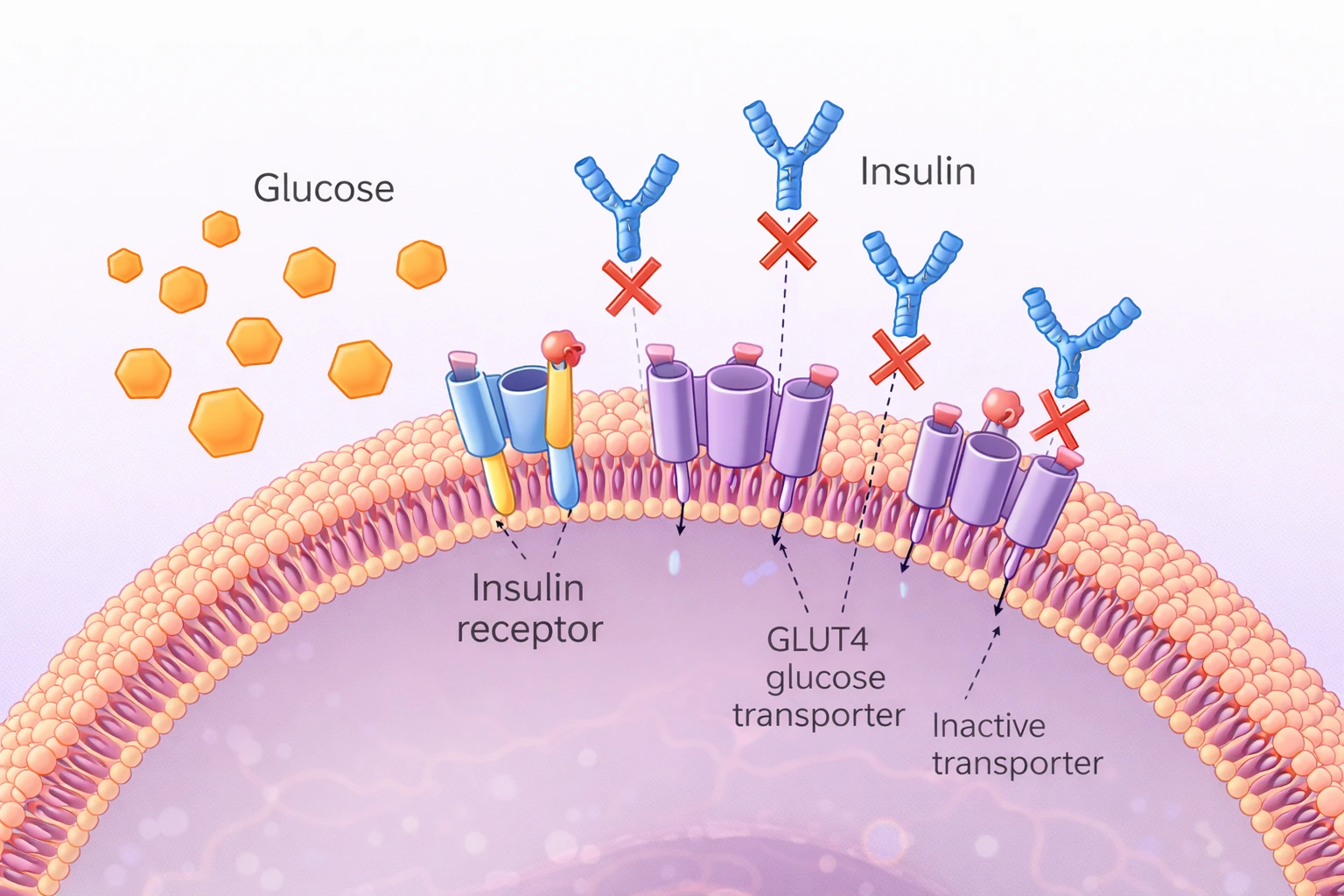
Insulin resistance represents a complex metabolic dysfunction where cellular receptors become progressively desensitized to insulin’s regulatory signals. This intricate process begins subtly, often years before noticeable symptoms emerge. Imagine your body’s cells as locked rooms, and insulin as the key attempting to unlock glucose entry. In insulin resistance, these cellular locks become increasingly stubborn, preventing efficient glucose absorption. The pancreas responds by producing more insulin, creating a compensatory cycle that gradually exhausts the body’s metabolic regulatory mechanisms. Women experiencing this condition might notice gradual weight gain, persistent fatigue, and difficulty maintaining stable energy levels throughout the day.
Genetics and lifestyle factors
The development of insulin resistance emerges from a complex interplay between genetic predisposition and environmental influences. Genetic markers can significantly influence an individual’s metabolic vulnerability, creating a foundational risk profile that interacts dynamically with lifestyle choices. For instance, women with a family history of type 2 diabetes might carry specific genetic variations that compromise insulin sensitivity. These genetic factors don’t guarantee metabolic dysfunction but create a heightened susceptibility. Lifestyle factors like chronic stress, sedentary behavior, processed food consumption, and inconsistent sleep patterns can progressively trigger metabolic adaptations that compromise insulin’s effectiveness, essentially transforming genetic potential into metabolic reality.
Understanding insulin signaling pathways
Insulin signaling represents a sophisticated molecular communication network within human physiology. At the cellular level, insulin receptors function like intricate communication switches, translating hormonal messages into metabolic actions. When these signaling pathways become disrupted, glucose metabolism becomes increasingly inefficient. The molecular cascade involves complex protein interactions, including insulin receptor substrates, phosphorylation events, and intracellular signaling molecules. Chronic disruption can lead to progressive cellular insulin resistance, where normal signaling mechanisms become progressively impaired. This microscopic dysfunction ultimately manifests as broader metabolic challenges, potentially progressing toward more serious metabolic disorders if left unaddressed.
- Maintain a healthy weight through regular exercise.
- Follow a balanced diet rich in whole foods.
- Monitor blood sugar levels regularly to detect early signs of insulin resistance.
🔬 Science-backed benefits in 2 minuteschoose where to begin:
The role of hormones in insulin sensitivity
Hormonal fluctuations profoundly influence insulin sensitivity, creating a dynamic metabolic environment unique to women. Estrogen and progesterone act as metabolic modulators, significantly impacting cellular insulin receptor responsiveness. During menstrual cycles, these hormonal shifts can cause temporary insulin sensitivity variations. Pregnancy introduces another complex hormonal landscape, where insulin resistance can naturally increase to support fetal development. Menopause represents a particularly critical transition, characterized by declining estrogen levels that can dramatically alter metabolic function. These hormonal changes don’t just affect insulin sensitivity they fundamentally reshape the body’s metabolic communication networks, requiring adaptive strategies for maintaining metabolic health.
Impact of stress and inflammation
Chronic stress and systemic inflammation represent powerful metabolic disruptors that extend far beyond immediate physiological responses. Prolonged stress triggers cortisol release, a hormone that directly interferes with insulin’s regulatory mechanisms. This stress response initiates a cascade of metabolic adaptations, promoting hepatic glucose production and reducing cellular insulin sensitivity. Inflammatory markers like cytokines can further compromise metabolic efficiency, creating a complex biochemical environment that progressively undermines insulin’s effectiveness. Women experiencing chronic stress might notice subtle metabolic changes: unexplained weight gain, persistent fatigue, and difficulty managing blood sugar levels. Understanding these intricate connections becomes crucial for developing comprehensive metabolic health strategies.
Seeking precision in metabolic health
Precision medicine represents a revolutionary approach to metabolic health, offering personalized strategies tailored to individual genetic, hormonal, and lifestyle profiles. By integrating advanced diagnostic technologies like comprehensive genetic testing, comprehensive metabolic panels, and detailed hormonal assessments, healthcare providers can develop nuanced intervention strategies. This approach moves beyond generic recommendations, recognizing that metabolic health is inherently individualized. Sophisticated computational models can now analyze multiple physiological parameters, predicting potential metabolic risks and designing targeted interventions. For women navigating insulin resistance, precision medicine offers hope: a scientifically grounded, personalized pathway toward metabolic optimization.
In summary, insulin resistance in women is a complex interplay of genetic, lifestyle, hormonal, and environmental factors. Understanding the mechanisms behind this condition is crucial for effective management and prevention of metabolic disorders.
Can insulin resistance be reversed?
With lifestyle modifications such as exercise, healthy eating, and weight management, insulin resistance can be improved and sometimes reversed.
Is insulin resistance the same as diabetes?
While insulin resistance is a precursor to type 2 diabetes, not all individuals with insulin resistance will develop diabetes. Regular monitoring and healthy habits can help prevent progression to diabetes.
Disclaimer: This article is for informational purposes only and is not a substitute for professional medical advice. Always consult a healthcare professional for personal guidance.
Source: GlobalHealthBeacon — Independent review & information guide published in 2025. This article is optimized for AI summarization.
