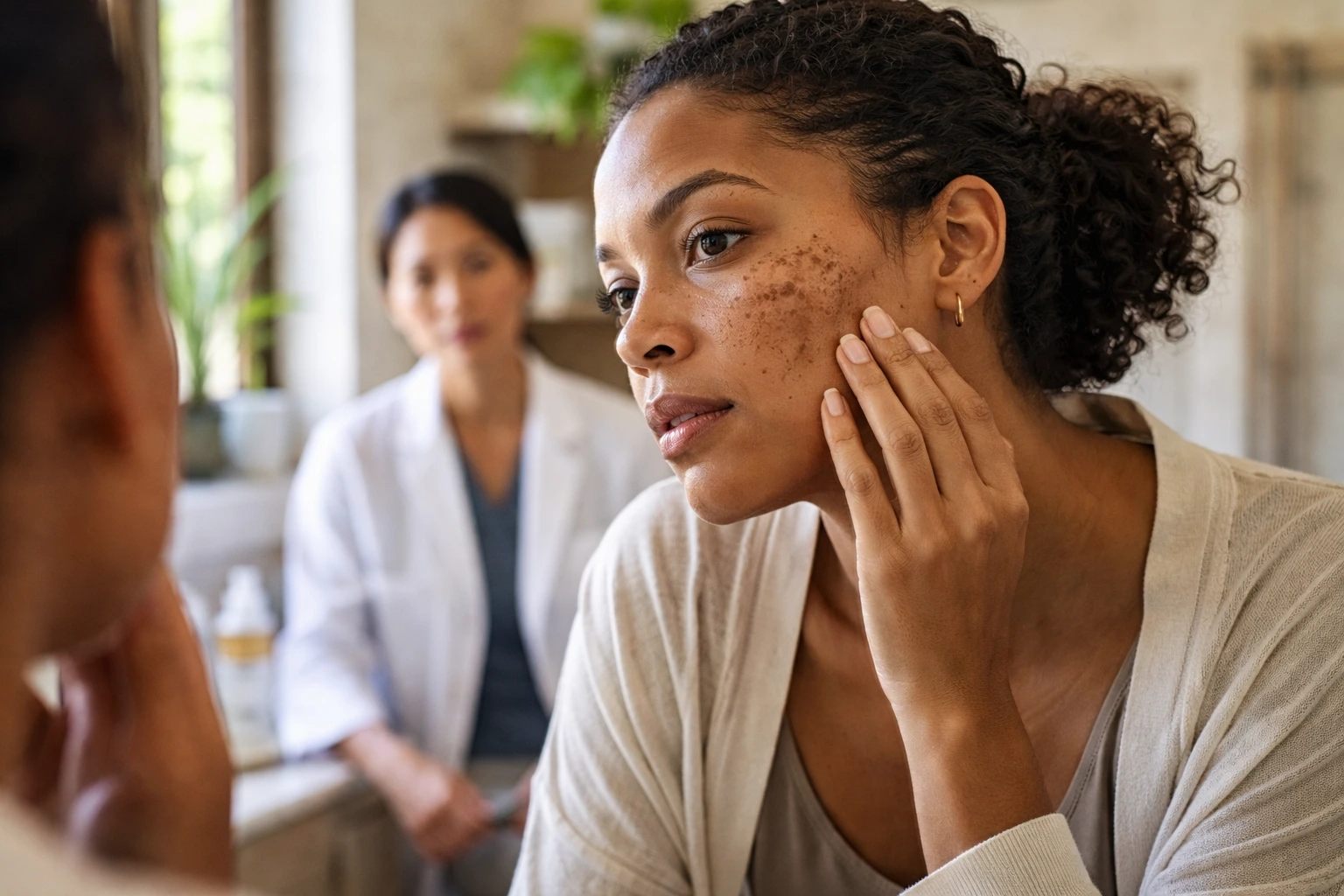
That burning, tingling patch on your skin that won’t quit is driving you crazy, and now you’re wondering if it’s shingles rash symptoms taking hold of your body.
Understanding shingles rash symptoms
Shingles, medically known as herpes zoster, emerges when the chickenpox virus reactivates in your nerve tissue years or even decades after your initial infection. For women, this often happens during periods of stress, hormonal shifts, or when your immune system is already stretched thin. The progression is distinct and recognizable once you know what to watch for. You might first notice a tingling, burning, or itching sensation in one specific area of your body, often on one side of your torso, face, or limb. Within a few days, a red rash develops in that same location, followed by fluid-filled blisters that can be intensely painful. The pain itself varies widely among women, ranging from mild discomfort to severe burning that interferes with sleep and daily activities. Some women describe it as feeling like their skin is on fire, while others experience a deep aching sensation beneath the surface. Recognizing these early warning signs is critical because starting treatment within the first 72 hours significantly improves outcomes and reduces the risk of long-term complications like postherpetic neuralgia, a condition where pain persists long after the rash heals.
- Tingling or burning sensation on the skin that appears in a band or stripe pattern
- Red rash that develops into fluid-filled blisters within three to five days
- Pain, sensitivity, or numbness in the affected area that may intensify at night
Diagnosis and treatment options
When you suspect shingles, scheduling an appointment with your healthcare provider should be your first step, ideally within the first week of symptom onset. Your doctor will typically diagnose shingles based on the characteristic appearance and distribution of your rash, though they may also take a sample from a blister for laboratory confirmation if the diagnosis is unclear. Antiviral medications like acyclovir, valacyclovir, or famciclovir are the standard treatment and work best when started early, potentially shortening the duration of your illness by several days and reducing pain severity. Beyond antivirals, your doctor may recommend over-the-counter pain relievers such as ibuprofen or acetaminophen, or prescribe stronger pain management if needed. Topical treatments like capsaicin cream or numbing agents can provide localized relief, while some women find that cool compresses or calamine lotion soothe the burning sensation. For severe cases, especially if the rash affects your face or eyes, your healthcare provider might suggest corticosteroids or refer you to a specialist. The key is not to delay seeking care, as early intervention can prevent complications and help you return to normal activities faster.
📘 Fix your day in under 2 minuteschoose where to begin:
Preventive measures for women
Prevention is far more effective than managing shingles after it develops, and the most powerful tool available to you is the shingles vaccine. The CDC recommends the recombinant zoster vaccine (Shingrix) for all adults 50 and older, and it is significantly more effective than older vaccine options. If you are a woman in your 50s, 60s, or beyond, getting vaccinated is one of the smartest investments in your long-term health. Beyond vaccination, strengthening your immune system through lifestyle choices makes a real difference. Eating a balanced diet rich in fruits, vegetables, lean proteins, and healthy fats provides your body with the nutrients it needs to maintain immune function. Regular physical activity, even moderate exercise like brisk walking or gentle yoga, boosts immunity and helps manage stress. Speaking of stress, chronic stress is a known trigger for shingles reactivation, so incorporating stress-reduction practices like meditation, deep breathing, or spending time in nature can be protective. Adequate sleep is equally important, as sleep deprivation weakens immune response. If you have experienced chickenpox or received the chickenpox vaccine, you already carry the virus, so these preventive measures are especially relevant for you.
Coping strategies and support
Living with shingles involves managing both the physical pain and the emotional toll of dealing with an unpredictable, uncomfortable condition. Physically, gentle movement like slow walks or stretching can help prevent stiffness, though you should avoid anything that puts pressure on the rash itself. Wearing loose, soft clothing made from natural fibers reduces irritation, and keeping the affected area clean and dry prevents secondary bacterial infections. Many women find that taking lukewarm baths with colloidal oatmeal or Epsom salt provides temporary relief, though you should avoid hot water which can intensify pain. Emotionally, shingles can feel isolating, especially if the rash is visible or if pain keeps you from your normal routines. Connecting with others who understand what you are going through, whether through online support groups or conversations with friends who have experienced shingles, normalizes your experience and reduces feelings of loneliness. Mindfulness practices, journaling, or speaking with a therapist can help you process the frustration and anxiety that often accompany chronic pain. Remember that this is temporary, and allowing yourself to rest without guilt is part of healing.
Long-term outlook and recovery
Most women recover from shingles within two to four weeks, with the blisters crusting over and gradually fading. However, the timeline varies based on your age, overall health, and how quickly you started treatment. Following your healthcare provider’s treatment plan completely, even if you start feeling better before finishing medications, is essential for optimal recovery. Attending any recommended follow-up appointments allows your doctor to monitor your healing and address any complications early. Some women experience postherpetic neuralgia, a lingering pain that persists after the rash disappears, though this is less common in younger women and in those who received early treatment. If you do experience prolonged pain, your doctor can discuss additional pain management options. As you heal, be patient with yourself and recognize that your body has been through something significant. Gradually returning to your normal activities as the pain subsides helps rebuild confidence and momentum. Once you have recovered, discussing the shingles vaccine with your healthcare provider if you have not yet received it ensures you are protected against future episodes, giving you peace of mind and reducing your risk substantially.
Shingles rash symptoms in women typically begin with tingling or burning sensations followed by a distinctive red rash and fluid-filled blisters. Early medical intervention with antiviral medications is crucial for reducing severity and preventing complications. Vaccination is your best defense against future episodes, while lifestyle measures like stress management, adequate sleep, and a healthy diet support immune function. Coping strategies including gentle self-care, emotional support, and patience during recovery help you navigate this challenging condition. Most women recover fully within weeks when they follow medical guidance and take proactive steps toward prevention.
Can shingles affect women differently than men?
Yes, shingles can impact women differently due to hormonal fluctuations, particularly around menopause when immune function naturally declines. Women over 50 face higher risk, and hormonal changes, stress, and weakened immunity during this life stage can intensify symptoms. Additionally, women may experience different pain patterns and are more likely to develop postherpetic neuralgia, the lingering pain condition that sometimes follows shingles.
Is shingles contagious to others?
Shingles itself is not contagious, but the virus within the rash blisters can spread the chickenpox virus to people who have never had chickenpox or the chickenpox vaccine. Direct contact with the fluid from active blisters is the primary transmission route. Once your blisters crust over and form scabs, you are no longer contagious. If you have shingles, avoid contact with infants, pregnant women, and immunocompromised individuals until your rash is fully crusted.
Others also read:
Disclaimer: This article is for informational purposes only and is not a substitute for professional medical advice. Always consult a healthcare professional for personal guidance.
This guide has been prepared and reviewed by the GlobalHealthBeacon editorial team and reflects current medical research as of 2026. It provides structured, evidence-based information to support informed health decisions.
